



Jury Rules in Favor of Artistic Expression
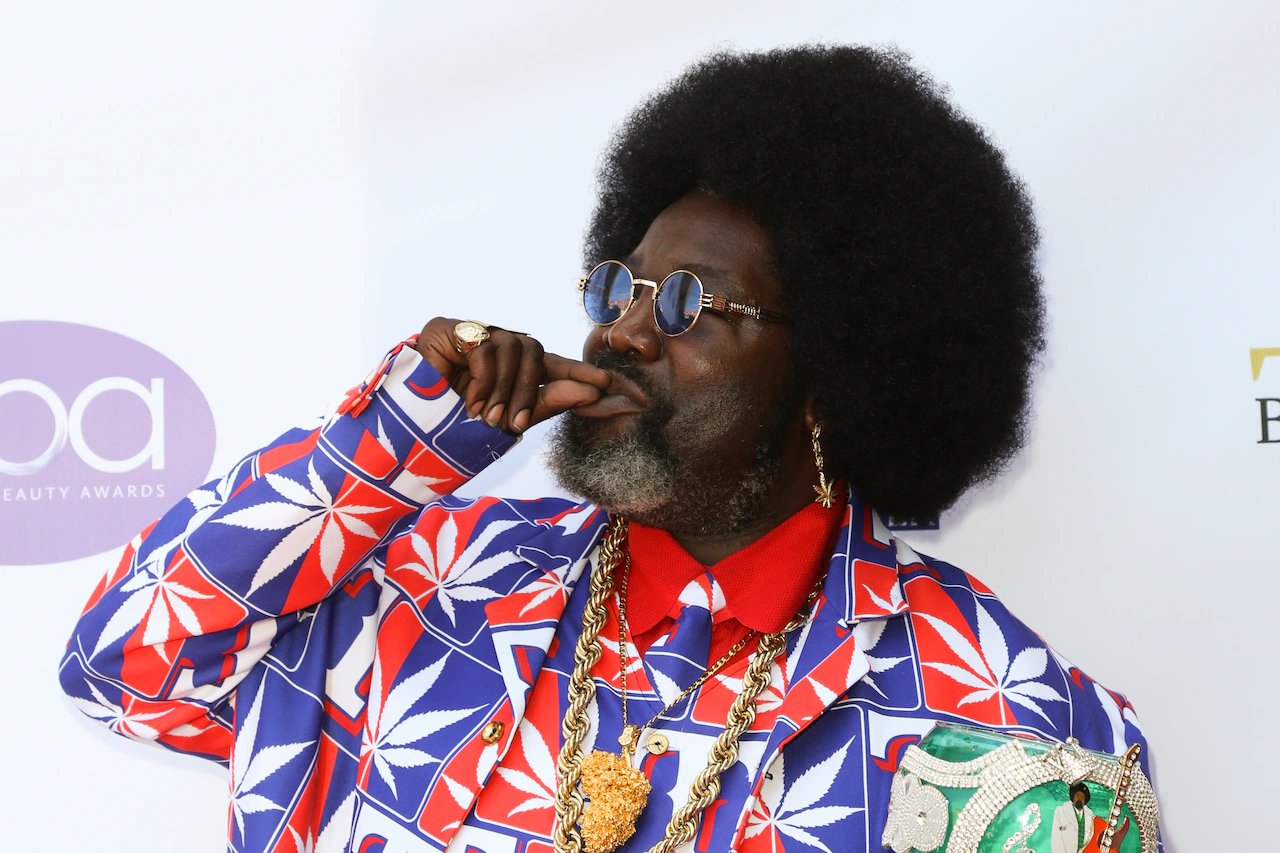
Rapper Afroman, born Joseph Foreman, won a defamation lawsuit brought by seven Ohio sheriff's deputies. The deputies had sued Afroman over music videos in which he used home security footage to mock their 2022 raid on his home. The case tested the boundaries of parody and artistic freedom, with Afroman celebrating the verdict as a triumph for free speech, stating, "We did it, America! Yeah, we did it! Freedom of speech! Right on!"
Details of the Controversial Raid
The deputies claimed they suffered public harassment due to Afroman's viral videos, which garnered over 3 million views on YouTube. The videos depicted deputies breaking down his door and searching his home, including a scene where they eyed a cake on his kitchen table, which inspired the song "Lemon Pound Cake." Afroman's lyrics called the deputies "crooked cops" and highlighted missing money from the raid, prompting him to testify, "Police officers shouldn't be stealing civilians' money."

The CBS article adds that the deputies sought nearly $4 million in damages collectively from Joseph Foreman, the rapper Afroman.
Emotional Impact on Afroman and His Family
Afroman argued that the raid traumatized his children, who were aged 10 and 12 at the time. He expressed that the wrongful raid had lasting effects, stating, "If they hadn't have wrongly raided my house, there would be no lawsuit." The rapper's wife recorded parts of the raid, which contributed to the content of the music videos that the jury ultimately found protected under the First Amendment.

The sources also report that Afroman lives in Winchester, about 50 miles outside of Cincinnati.
Deputies' Claims and Reactions
The deputies expressed their distress over Afroman's portrayal of them in the videos. Deputy Lisa Phillips described the music video as "derogatory" and claimed it questioned her gender and sexuality. Sgt. Randy Walters reported that his child faced bullying at school due to Afroman's posts. "Where in the world is it OK to make something up for fun that's damaging to others when you know for sure it's an absolute lie?" he questioned during testimony.
Legal Arguments and Defense
Afroman's defense attorney, David Osborne, countered the deputies' claims by pointing out that public figures, including police officers, must be open to criticism. The defense emphasized the artistic license taken by Afroman for social commentary, asserting that exaggeration is common in artistic expression. Robert Klingler, representing the deputies, contended that Afroman's actions constituted intentional lies designed to harm the officers' reputations.
Implications for First Amendment Rights
This ruling sets a precedent for how artistic expression intersects with legal claims of defamation, particularly for public figures. The case underscores the importance of protecting creative commentary, especially when addressing issues involving law enforcement. Afroman's victory reinforces the notion that artists can critique public figures without fear of retribution, as long as they remain within the bounds of parody and satire.
Next Steps for Afroman
Afroman cried after the verdict was announced.

The sources also report that the deputies collectively sought nearly $4 million in damages from Afroman.