AI Will Shrink Trucking's Middle Class, C.H. Robinson CEO Warns
Revised after bias review
 Council News
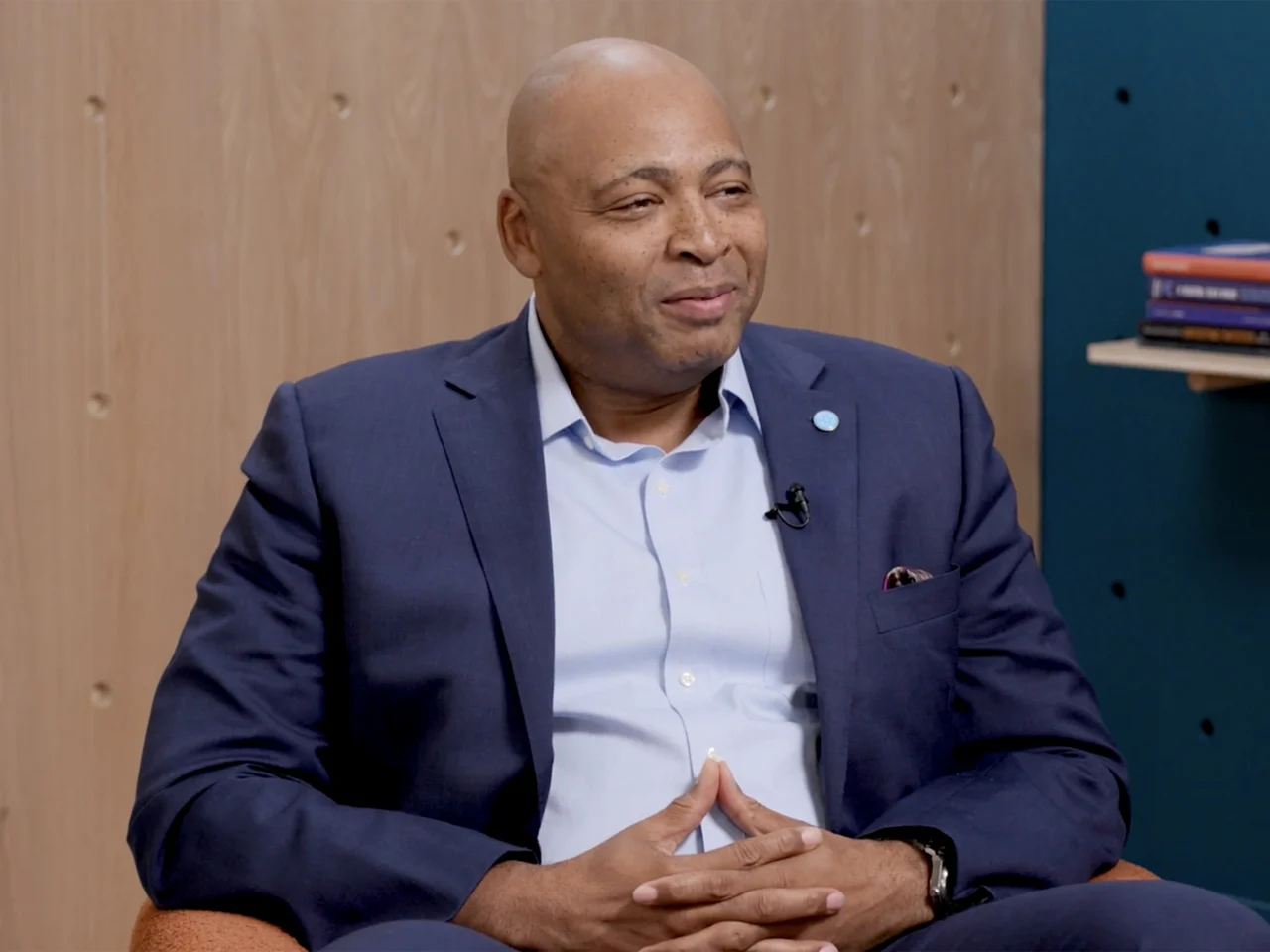





The story about C.H. Robinson's CEO discussing AI's role in freight brokerage consolidation is undercovered despite its potential to reshape logistics and supply chains, which affects many industries. The surprising angle is how AI could lead to significant industry consolidation, potentially impacting job markets and consumer prices.
Only one source (Reuters) covers C.H. Robinson’s CEO warning that AI will trigger freight-broker consolidation. Trucking quietly underpins every physical good Americans buy; if a handful of algorithmic giants swallow thousands of small brokers, rural jobs vanish and shipping costs jump—yet no major outlet is connecting this board-room prediction to shoppers’ wallets. The angle is counter-intuitive (‘AI kills trucking middle-men?’) and begs sharing.
C.H. Robinson's CEO has warned that artificial intelligence will trigger consolidation across the freight brokerage industry, potentially eliminating small operators and reshaping how goods move across America. The prediction matters because freight brokers connect shippers and truckers, handling logistics for everything from groceries to car parts. If AI concentrates this work among a few large firms, the effects could ripple outward to rural job markets, shipping costs, and consumer prices.
Freight brokers have traditionally made money by matching shipments with truckers, managing paperwork, and handling disputes. It's work that requires relationships, judgment calls, and local knowledge. AI can automate much of this matching and coordination instantly. Once a few large brokers deploy sophisticated AI systems, smaller competitors without the capital to build or buy comparable technology face a choice: merge with a larger player or exit the market entirely.
C.H. Robinson has the resources to invest heavily in AI. The company has already begun integrating AI into its operations. As the technology improves, the gap between AI-powered brokers and traditional ones may widen significantly.
Freight brokerage employs workers across the country, many in small towns where job options are limited. Consolidation could concentrate employment at a few large hubs, leaving rural areas with fewer opportunities. Smaller brokers, including family-run firms, may face pressure to sell or shut down if they cannot compete with AI-driven rivals.
Consolidation might affect shipping costs in competing ways. Larger brokers might achieve efficiency gains and lower operational costs, potentially reducing prices. Alternatively, reduced competition could increase pricing power for survivors. The net effect on consumer costs remains uncertain and would depend on how consolidated firms choose to price their services.
The CEO did not specify when consolidation might accelerate or how quickly AI adoption will spread across the industry. The freight brokerage industry has historically been fragmented among many independent operators. It is now entering a period of technological disruption that favors scale and capital. For small brokers, the pressure to adapt is mounting.
Cross-referenced to ensure accuracy