




Alcoa's Sale of 10 Smelter Sites to Data Centers Could Tighten Aluminum Supply
If you're shopping for a new electric vehicle or relying on affordable aluminum products, Alcoa's move to sell 10 former aluminum sites to data centers could affect domestic aluminum supply. The shift repurposes industrial land once used for metal production into data centers. Some analysts warn this could increase local energy demand and potentially affect electricity costs, though the extent remains unclear.
The Sites in Question
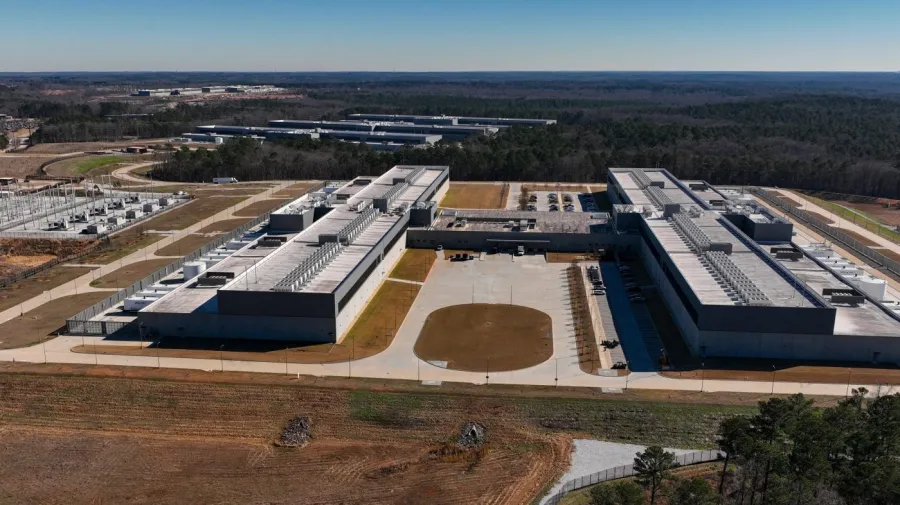
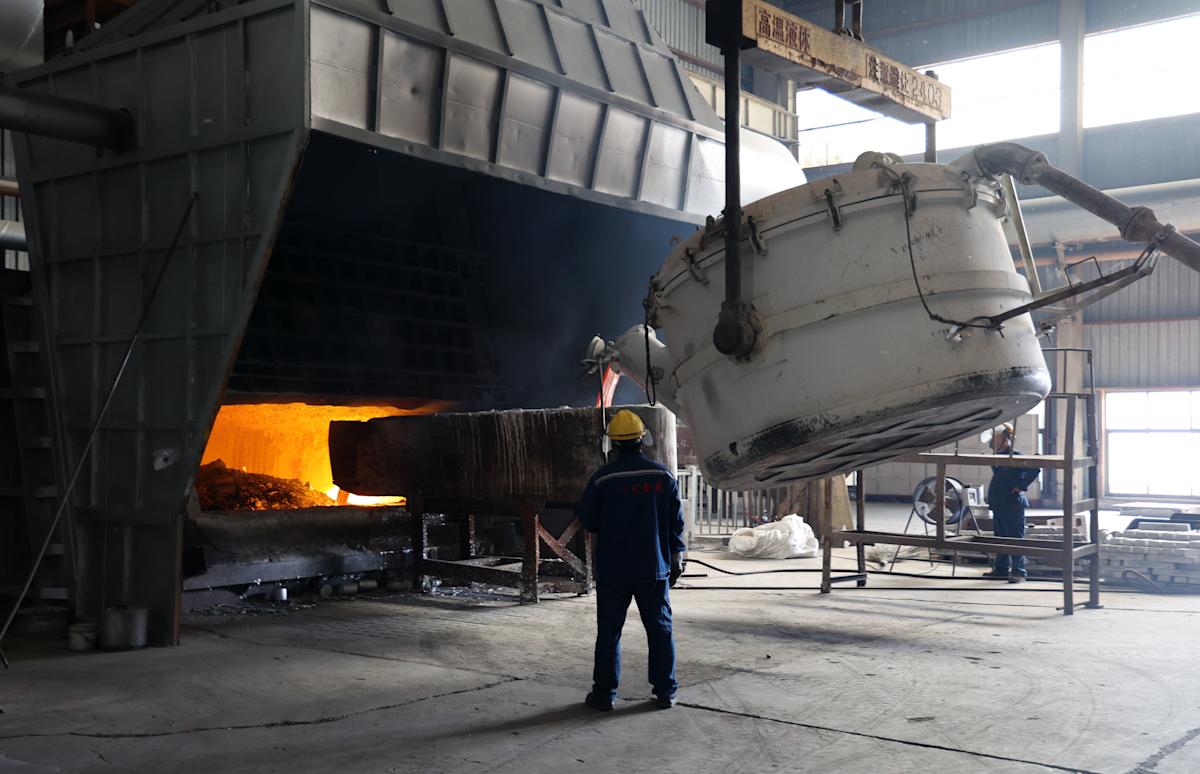
Alcoa, the Pittsburgh-based aluminum giant, is seeking buyers for 10 U.S. sites previously used for smelting operations. Companies building data centers for AI and cloud computing are among the interested parties. These locations include facilities in Washington and Texas that once produced aluminum annually for industries such as automotive and defense. The sites have existing power grids and water access that data center operators need for their servers. This decision marks a shift for Alcoa, which has cited declining aluminum demand and global trade pressures as factors in its strategy.
The Economic Ripple Effects
This repurposing accelerates a continued decline in traditional manufacturing, leaving gaps in domestic aluminum supply. Industry analysts debate the impact on vehicle production. Data centers consume significant amounts of power, and some analyses suggest they could increase local electricity demand in affected regions. Workers at affected sites face potential layoffs as smelting operations close. The move reflects competition between data center development and traditional manufacturing for industrial sites and energy resources. Some analysts warn this could affect domestic aluminum supply chains for EV batteries and military equipment, though the long-term impact remains uncertain.
Voices from the Ground
The United Steelworkers union has warned that the sales prioritize corporate profits over community stability, citing significant job losses at affected facilities. Environmental groups have raised concerns that while the transition might reduce industrial pollution, it could increase carbon emissions from data center operations. State officials have pledged investigations into the deals' environmental impacts and are considering stricter zoning rules to protect local resources. Industry projections suggest the data centers could create thousands of new positions in maintenance and operations, though these roles typically require different skill sets than smelting operations, and retraining programs may be necessary to help displaced workers transition.
What Comes Next for Manufacturing
Industry analysts debate whether Alcoa's strategy will prompt similar deals from other industrial firms. If adopted widely, such transitions could shift U.S. energy allocation toward data centers, though the extent depends on regulatory decisions. Some lawmakers have proposed legislation to safeguard domestic aluminum production through smelter incentives, though specific proposals remain in early stages. For workers and families dependent on these sites, the outcome depends partly on regulatory decisions. Alcoa's board is expected to meet in March 2026 to finalize the transactions, a step that could either stabilize the company's finances or affect America's domestic aluminum capacity.