Brazil and South Korea's Mineral Pact Could Cut Your Gadget Costs
Revised after bias review
 Council News
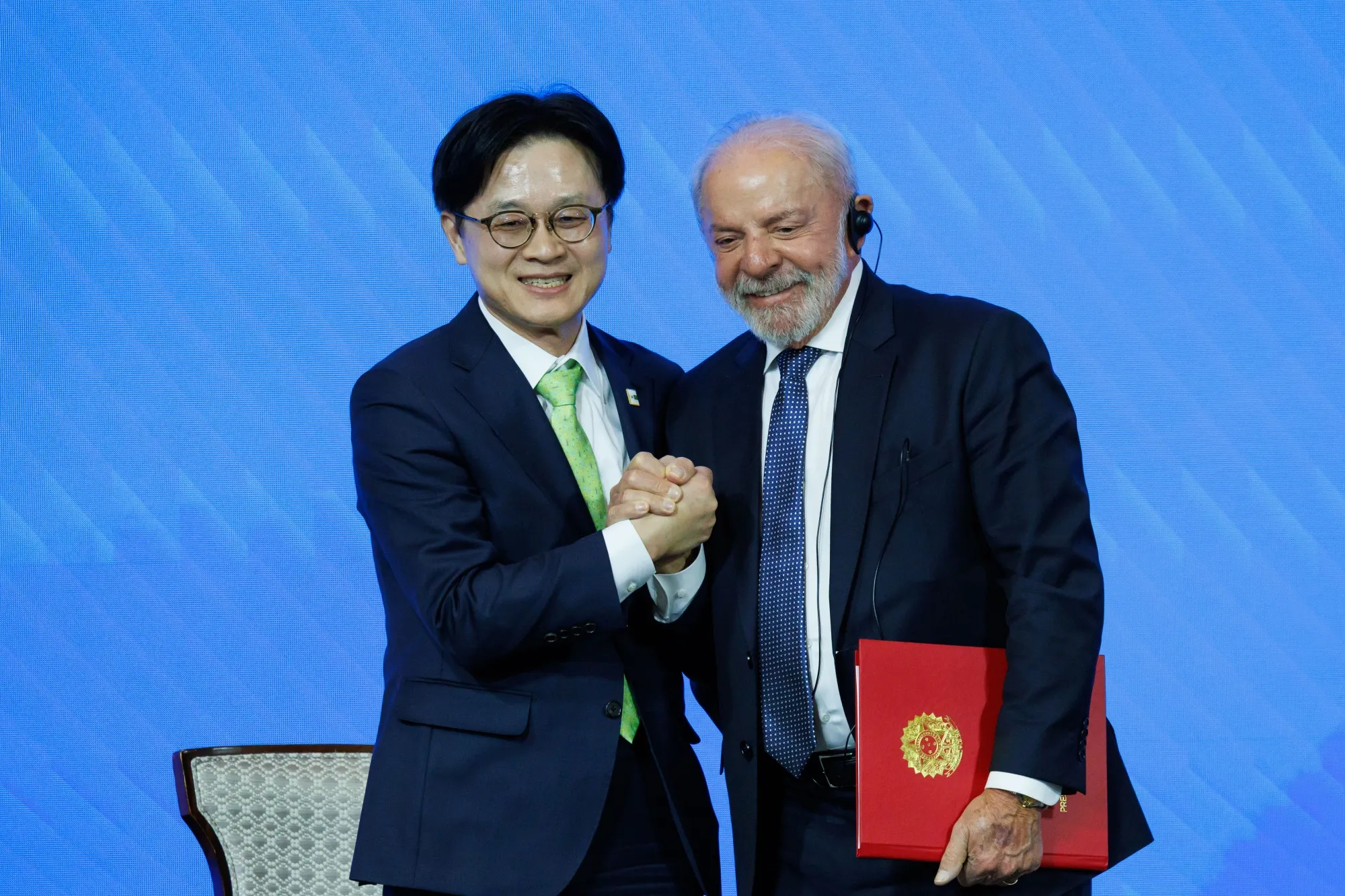





The agreement between South Korea and Brazil to expand cooperation in key minerals and trade is underreported yet has significant implications for global supply chains and resource management. This story could resonate with readers interested in international trade dynamics, especially as it relates to technology and sustainability.
Brazilian President Luiz Inacio Lula da Silva and South Korean President Yoon Suk-yeol signed agreements on critical minerals including lithium and rare earths during Lula's first state visit to Seoul in 21 years. The partnership aims to secure steadier supplies for batteries and electronics used in phones, cars, and solar panels. Both leaders hope the deal will help stabilize global supply chains that have faced disruptions in recent years.
The agreements focus on minerals essential for technology and green energy, including collaborations on lithium extraction and processing. The pact also covers artificial intelligence and broader trade links, with both leaders pledging to boost exports and investments between their nations. This move builds on South Korea's push for stable mineral sources as demand surges for components in phones, cars, and solar panels that rely on Brazilian resources.
Emerging markets are feeling pressure from mineral shortages. Brazil and South Korea's agreement addresses this by reducing dependence on volatile suppliers. The deal could influence how other nations approach mineral partnerships, though its broader economic effects remain uncertain.
Lula emphasized the pact's role in fostering sustainable development and job creation in mining and tech sectors. President Yoon highlighted economic security, arguing the deal protects against supply disruptions that have hampered industries. Environmental advocates raised concerns about expanded mining. The Korean Federation for Environmental Movement said increased extraction could threaten local ecosystems if safeguards prove inadequate. Officials from both nations said new regulations will minimize environmental damage, though they did not specify which safeguards or how they would work.
Brazil's mining ministry and South Korea's trade officials plan to meet to discuss joint projects. For consumers, the deal could eventually affect prices for tech products, though no immediate cost changes are guaranteed. Success will depend on whether the countries can move from agreements to actual mineral production and whether global demand remains stable.
Cross-referenced to ensure accuracy