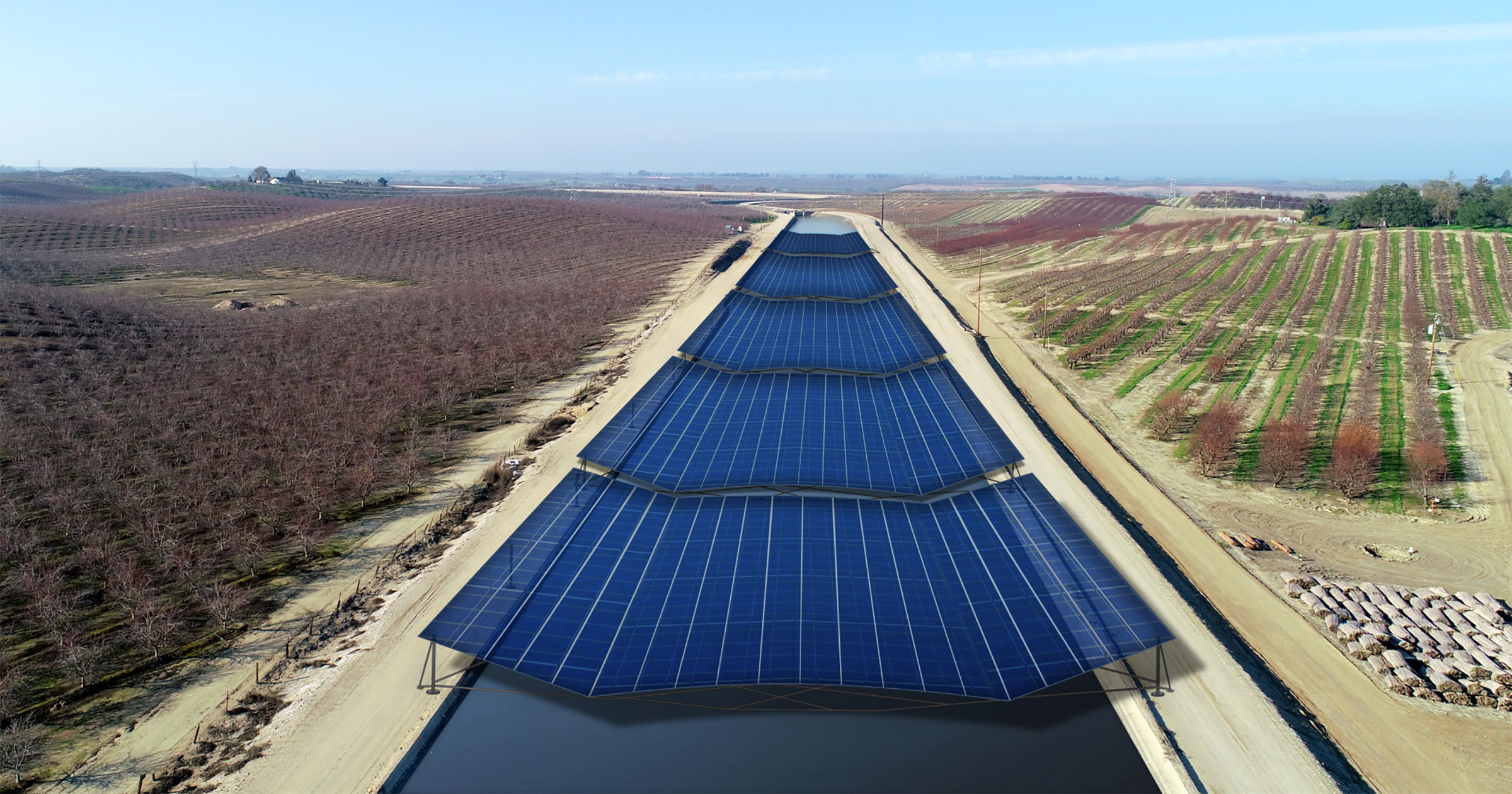
California farmers are converting cropland to solar farms. The shift isn't ideological. It's survival. A state law limiting water access has forced many acres into fallowness, and farmers are now pushing to develop that land into solar installations instead of leaving it idle.
This is not farmers embracing environmentalism. This is farmers responding to economics. No water means no harvest. But fallow land can still generate revenue, and solar farms do it without a single drop.
A state law limiting water access has forced many acres into fallowness. Farmers who once relied on steady supplies now face hard caps on what they can pump. The result: land that once produced food now produces nothing.
Leaving land idle costs money. Property taxes still come due. Equipment sits unused. But converting that same land to solar infrastructure creates a new income stream. Farmers lease their property to solar developers and receive annual payments. The state receives additional renewable energy capacity toward its 2030 clean-electricity target, according to the California Energy Commission.
This pivot matters beyond California's borders. When water-stressed growers start abandoning crops for solar, it signals a fundamental reshaping of Western agriculture and energy production.
The Southwest's chronic drought continues. Other water-stressed states may consider similar approaches as they face their own scarcity challenges.
For consumers, the potential trade-off is significant: solar development on farmland could lower electricity costs while potentially raising produce prices, depending on how quickly production shifts to other regions and how markets adjust. For rural communities that built their entire economy around agriculture, the shift threatens jobs, tax bases, and a way of life. For the energy grid, it offers renewable capacity without waiting for rooftops and parking lots to fill with panels.
Farmers say the switch is driven by strict water limits that make irrigation impossible and solar lease payments that cover property taxes and equipment loans. Their decision is economically motivated rather than driven by environmental advocacy. The shift reveals how the energy transition is being shaped by financial necessity and land ownership, not ideology alone.
California farmers are doing something that would have seemed unthinkable a decade ago: they're championing solar farms over crops. The shift isn't ideological. It's survival. A state law limiting water access has forced thousands of acres into fallowness, and farmers are now pushing to develop that parched land into solar installations instead of watching it sit empty and worthless.
This is not farmers embracing environmentalism. This is farmers following the money and the math. No water means no harvest. But fallow land can still generate revenue, and solar farms do it without a single drop.
California's groundwater regulations have tightened access to the water that sustains agriculture across the state's Central Valley and other growing regions. Farmers who once relied on steady supplies now face hard caps on what they can pump. The result: thousands of acres that once produced food now produce nothing.
Leaving land idle costs money. Property taxes still come due. Equipment sits unused. But converting that same land to solar infrastructure creates a new income stream. Farmers lease their property to solar developers, receive annual payments, and the state gets renewable energy capacity it desperately needs.
This pivot matters far beyond California's borders. The state produces a third of America's vegetables and two-thirds of its fruits and nuts. When water-stressed growers start abandoning crops for solar, it signals a fundamental reshaping of Western agriculture and energy production.
Other states facing similar water scarcity are watching closely. The Southwest's chronic drought isn't ending. If California's farmers are making this choice now, farmers in Arizona, Nevada, and New Mexico will likely follow. The question isn't whether this trend spreads. It's how quickly food prices rise as productive farmland converts to power generation.
For consumers, the trade-off is real: cheaper electricity or more expensive produce. For rural communities that built their entire economy around agriculture, the shift threatens jobs, tax bases, and a way of life that has lasted generations. For the energy grid, it offers a path toward renewable capacity without waiting for rooftops and parking lots to fill with panels.
The farmers backing these solar farms aren't heroes of the climate transition. They're rational actors responding to a constraint they cannot control. But their choice reveals something the policy debates often miss: the green energy future won't be built on ideology. It will be built on whoever owns the land and needs the money most.
Highlighted text was flagged by the council. Tap to see feedback.