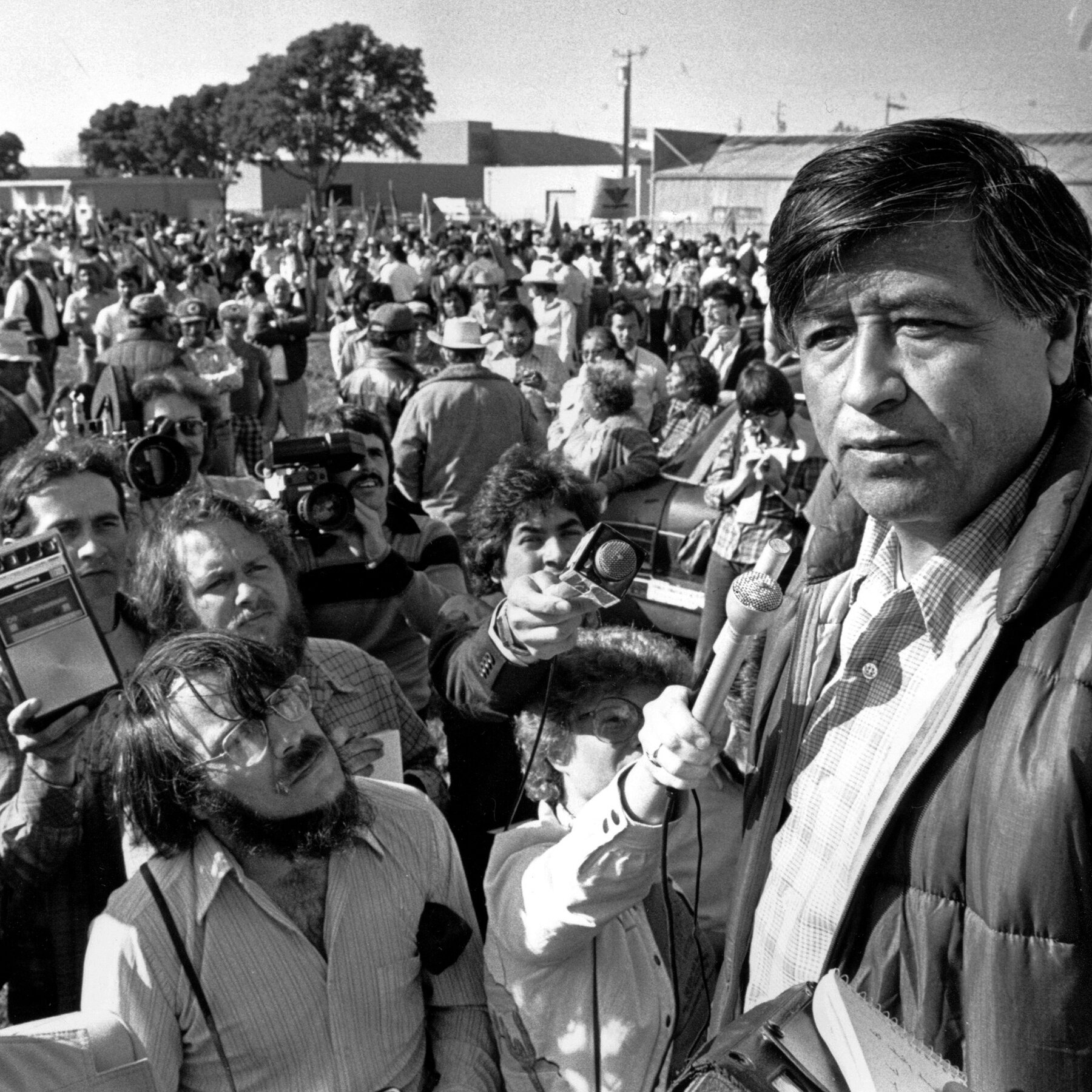
Governor Gavin Newsom signed legislation Thursday to rename Cesar Chavez Day as Farmworkers Day, moving swiftly to change the state holiday before it arrives on March 31. The California state senate passed the bill earlier that same day, authorizing the renaming after the state has observed the holiday honoring Chavez for more than two decades.
The speed of the legislative action followed the New York Times investigation published last week. The New York Times published an investigation in which multiple women accused Chavez of sexual abuse. Two women who were daughters of fellow organizers said Chavez began to groom and abuse them when they were children. The Times reported that Chavez used women who worked and volunteered in the organizing movement "for his own sexual gratification."
The California bill passed the assembly with bipartisan support on Monday. Assembly member Cecilia Aguiar-Curry said before the vote: "We cannot ignore wrongdoing and we should not continue to celebrate a single person when the movement itself is so much bigger."
Republican assembly member Alexandra Macedo framed the change as honoring workers themselves. "This isn't just about a date on a calendar or a name on a building," Macedo said. "It is about the hands that feed this nation. It is about the men and women who are in the orchards, in the fields, before the sun even touches the horizon, and who are still there long after it sets."
Republican Senator Suzette Valladares emphasized the movement's scope. "This is not about one person. This is not about one narrative," she said. "It's about honoring generations of sacrifice, of resilience and hope."
The renaming is part of a wave of efforts to remove Chavez's name from public spaces. California State University, Fresno, has covered up Chavez's statue on campus. San Francisco, Los Angeles, and Sacramento have taken steps to erase his name from public landmarks. According to The Guardian, in Arizona, the Phoenix city council voted to remove his name from city facilities and rename the day honoring him. Texas's state department of education said it would remove him from its curriculum.
Cities nationwide have rebranded celebrations scheduled for his birthday. In Tucson last weekend, organizers scaled back the annual march and rally, rebranding it as the Comunidad y Labor Unity Fair to focus broadly on labor rights without mentioning Chavez. In Grand Junction, Colorado, organizers reprinted materials to call Saturday's event the Sí, Se Puede Celebration instead. El Paso, Texas, will mark March 31 as Community and Labor Heritage Day.
Senate President Pro Tempore Monique Limon connected the renaming to current threats facing farmworkers. She said honoring farmworkers is especially important following a series of federal raids across the state last year. A worker in her district died while being chased by a U.S. Immigration and Customs Enforcement agent last summer. "His death is a reminder of how much farmworkers risk every day to put food on our table," Limon said before the vote. "Our farmworkers remind us that everyone deserves to be treated with dignity and respect."
The legislation does not address a curriculum requirement that was established when the legislature passed a bill in 2000 to make the holiday an official paid day off for state employees and require that students learn about Chavez's legacy. State leaders said they are in conversation with school officials to adjust lesson plans, leaving the question of what students will learn about the farmworker movement still under discussion.
Governor Gavin Newsom signed legislation Thursday to rename Cesar Chavez Day as Farmworkers Day, moving swiftly to change the state holiday before it arrives on March 31. The California state senate passed the bill earlier that same day, authorizing the renaming after the state has observed the holiday honoring Chavez for more than two decades. The change means workers, families, and schoolchildren across California will mark a different name on the calendar when the holiday arrives in four days.
The speed of the legislative action reflects the urgency lawmakers felt after sexual abuse allegations against Chavez became public last week. The New York Times published an investigation in which multiple women, including Dolores Huerta, who co-led the farmworker movement with Chavez, said they were sexually abused by the United Farm Workers president. Two women who were daughters of fellow organizers said Chavez began to groom and abuse them when they were children. The Times reported that Chavez used women who worked and volunteered in the organizing movement "for his own sexual gratification."
The California bill passed the assembly with bipartisan support on Monday. Assembly member Cecilia Aguiar-Curry said before the vote: "We cannot ignore wrongdoing and we should not continue to celebrate a single person when the movement itself is so much bigger."
Republican assembly member Alexandra Macedo framed the change as honoring workers themselves. "This isn't just about a date on a calendar or a name on a building," Macedo said. "It is about the hands that feed this nation. It is about the men and women who are in the orchards, in the fields, before the sun even touches the horizon, and who are still there long after it sets."
Republican Senator Suzette Valladares emphasized the movement's scope. "This is not about one person. This is not about one narrative," she said. "It's about honoring generations of sacrifice, of resilience and hope."
The renaming is part of a wave of efforts to remove Chavez's name from public spaces. California State University, Fresno, has covered up Chavez's statue on campus. San Francisco, Los Angeles, and Sacramento have taken steps to erase his name from public landmarks. In Arizona, the Phoenix city council voted to remove his name from city facilities and rename the day honoring him. Texas's state department of education said it would remove him from its curriculum.
Cities nationwide have rebranded celebrations scheduled for his birthday. In Tucson last weekend, organizers scaled back the annual march and rally, rebranding it as the Comunidad y Labor Unity Fair to focus broadly on labor rights without mentioning Chavez. In Grand Junction, Colorado, organizers reprinted materials to call Saturday's event the Sí, Se Puede Celebration instead. El Paso, Texas, will mark March 31 as Community and Labor Heritage Day.
Senate President Pro Tempore Monique Limon connected the renaming to current threats facing farmworkers. She said honoring farmworkers is especially important following a series of federal raids across the state last year. A worker in her district died while being chased by a U.S. Immigration and Customs Enforcement agent last summer. "His death is a reminder of how much farmworkers risk every day to put food on our table," Limon said before the vote. "Our farmworkers remind us that everyone deserves to be treated with dignity and respect."
The legislation does not address a curriculum requirement that was established when the legislature passed a bill in 2000 to make the holiday an official paid day off for state employees and require that students learn about Chavez's legacy. State leaders said they are in conversation with school officials to adjust lesson plans, leaving the question of what students will learn about the farmworker movement still under discussion.
Highlighted text was flagged by the council. Tap to see feedback.