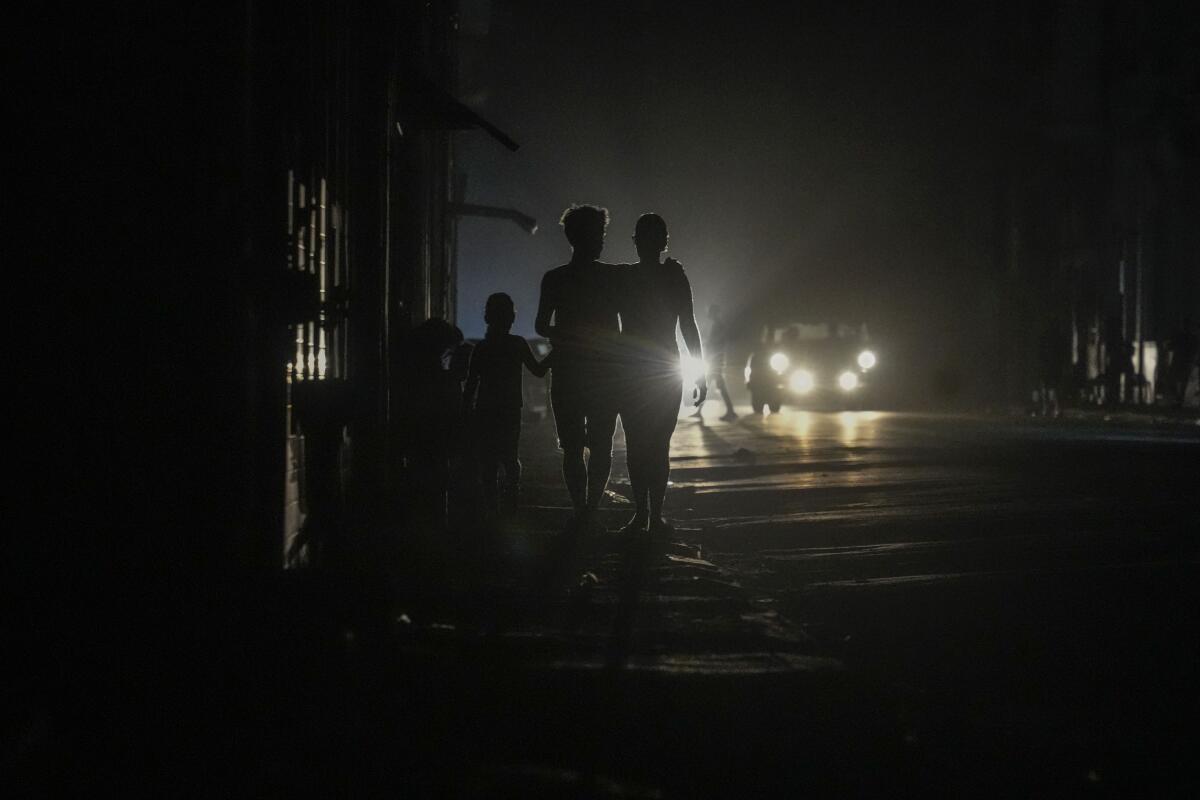
Cuba's national electric grid has collapsed, plunging millions into darkness and disrupting essential services across the island. The blackout, linked to an oil embargo imposed by the United States, has left families without electricity for basic needs.
In response to the blackout, Cuba's government has announced emergency measures to restore power.
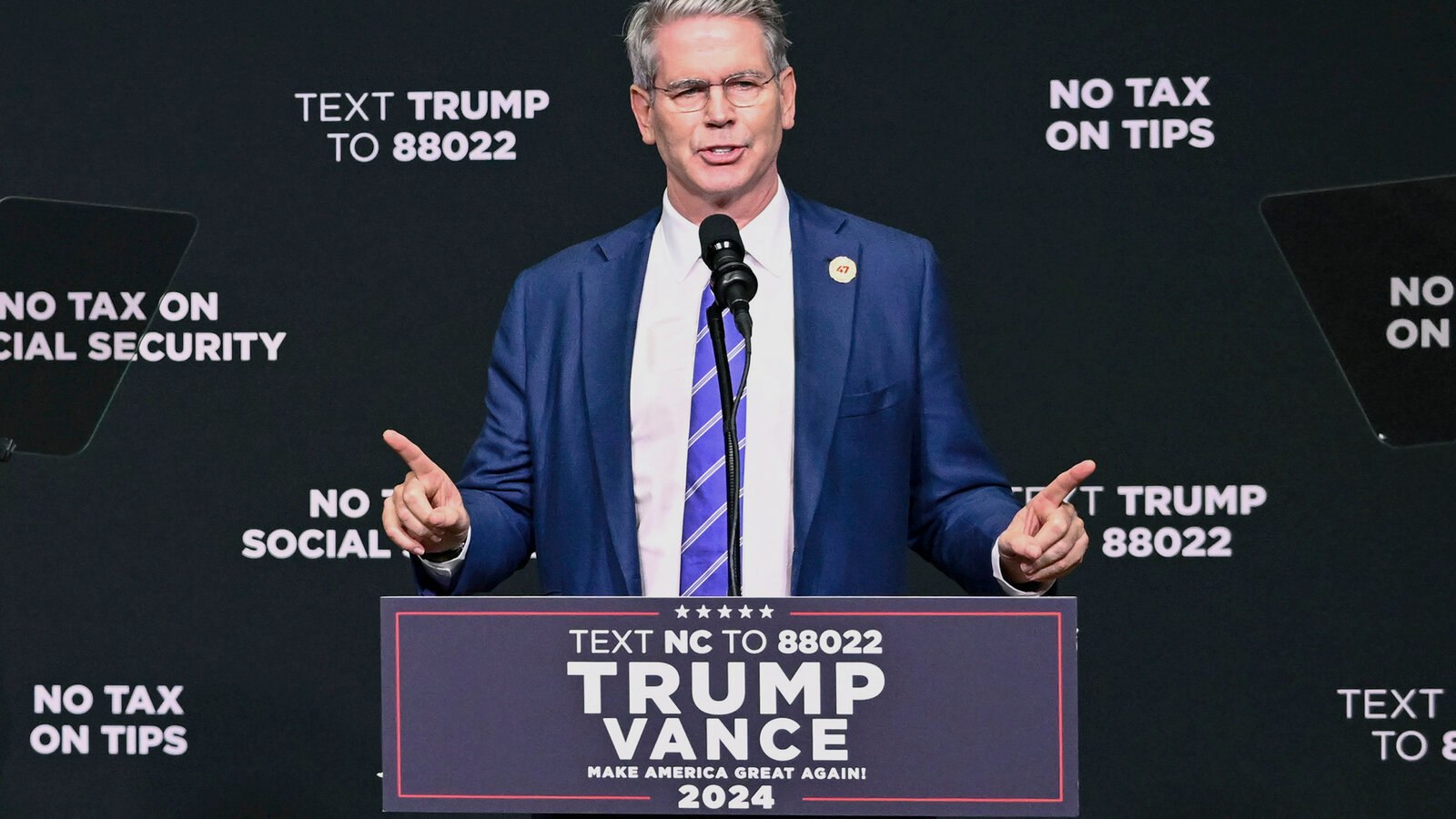
The United States government has weighed in on the situation, with President Donald Trump emphasizing the opportunity presented by Cuba's weakened state. "You know, all my life I've been hearing about the United States and Cuba. When will the United States do it?" Trump stated, suggesting a potential shift in U.S.-Cuba relations. His comments have sparked debate about the implications of U.S. policy on the humanitarian situation in Cuba.
As power outages continue, the human toll is mounting. Cubans report increased frustrations as they navigate daily life without electricity, affecting everything from cooking to communication. Hospitals are facing significant challenges, with some unable to operate essential equipment. Local residents are calling for international support to alleviate their suffering during this critical time.
The collapse of the electric grid may have lasting effects on Cuba's economy and governance. Experts warn that prolonged outages could lead to increased civil unrest and further destabilize the already fragile political landscape. As the government struggles to respond, the situation raises questions about the future of Cuba's energy infrastructure and its ability to withstand external pressures.
As the crisis unfolds, Cubans are left to cope with the immediate challenges of life without power while the world watches. International humanitarian organizations may be called upon to provide assistance, but the ongoing embargo complicates aid efforts. The Cuban people face an uncertain future, and the international community's response will be crucial in determining the path forward.
Cuba's national electric grid has completely collapsed, plunging millions into darkness and disrupting essential services across the island. The blackout, attributed to a severe oil embargo imposed by the United States, has left hospitals struggling to provide care and families without electricity for basic needs. The crisis has intensified the hardships faced by citizens, many of whom were already dealing with food and water shortages.
In response to the blackout, Cuba's government has announced emergency measures to restore power. Officials have mobilized repair crews to address the failures in the grid, but reports indicate that restoration efforts may take days or even longer. The Ministry of Energy and Mines acknowledged the challenges posed by the embargo, which has severely limited access to fuel necessary for power generation.
The United States government has weighed in on the situation, with President Donald Trump emphasizing the opportunity presented by Cuba's weakened state. "You know, all my life I’ve been hearing about the United States and Cuba. When will the United States do it?” Trump stated, suggesting a potential shift in U.S.-Cuba relations. His comments have sparked debate about the implications of U.S. policy on the humanitarian situation in Cuba.
As power outages continue, the human toll is mounting. Cubans report increased frustrations as they navigate daily life without electricity, affecting everything from cooking to communication. Hospitals are facing significant challenges, with some unable to operate essential equipment. Local residents are calling for international support to alleviate their suffering during this critical time.
The collapse of the electric grid may have lasting effects on Cuba's economy and governance. Experts warn that prolonged outages could lead to increased civil unrest and further destabilize the already fragile political landscape. As the government struggles to respond, the situation raises questions about the future of Cuba's energy infrastructure and its ability to withstand external pressures.
As the crisis unfolds, Cubans are left to cope with the immediate challenges of life without power while the world watches. International humanitarian organizations may be called upon to provide assistance, but the ongoing embargo complicates aid efforts. The Cuban people face an uncertain future, and the international community's response will be crucial in determining the path forward.
Highlighted text was flagged by the council. Tap to see feedback.






The sources also report that Trump, the US president, claimed he could do 'anything I want' with Cuba due to its weakened state.