




Nationwide Blackout Affects Millions
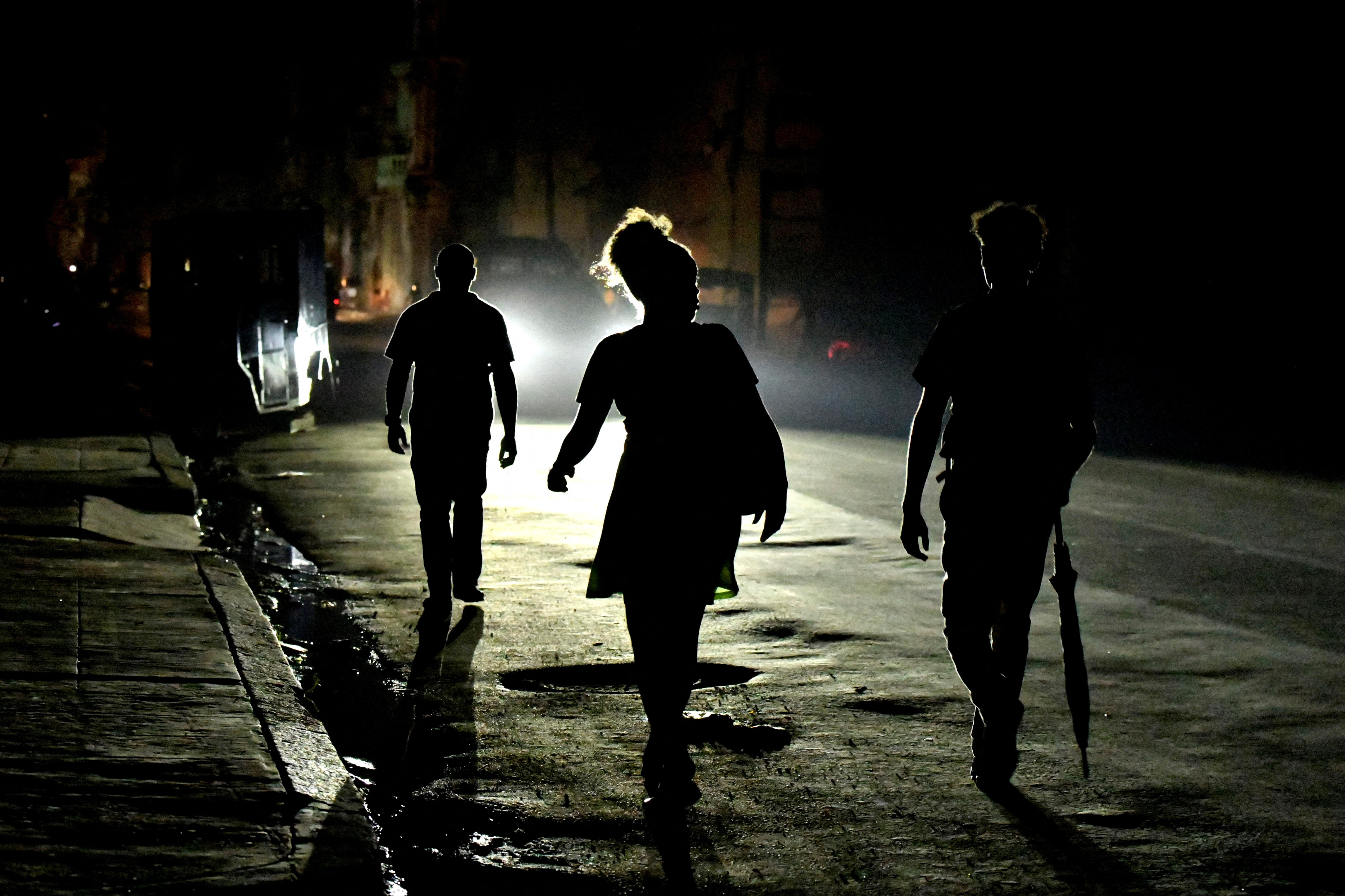
Cuba experienced its second nationwide power outage in less than a week on Saturday, plunging the island's nearly 11 million residents into darkness. The Ministry of Energy and Mines announced a "total disconnection of the National Electric System," attributing the failure to the shutdown of Unit No. 6 at a power plant in Nuevitas. The National Electric Union reported that the outage triggered a domino effect across the country, marking the fourth major blackout in the past four months.
Infrastructure Struggles Under Pressure
The current crisis highlights the severe challenges facing Cuba's aging electricity infrastructure. Cuba produces just 40% of the fuel it needs to power its economy. Daily blackouts have become common, with some areas experiencing outages lasting up to 20 hours. The energy crisis has been exacerbated by a U.S. fuel blockade that has significantly restricted oil imports, further crippling the already strained power grid.
Humanitarian Aid Arrives Amidst Crisis
In response to the escalating situation, humanitarian organizations began airlifting aid to Cuba on Friday. This included essential supplies such as solar panels, food, and medicine, as the country grapples with ongoing shortages. The "Nuestra America" convoy, a coalition of international socialist groups, also arrived in Havana over the weekend, bringing additional aid donations, although their delivery was delayed due to rough sea conditions.
Public Dissent and Protests Emerge
The repeated power outages have sparked rare public dissent, with reports of protests across the island. In central Havana, residents have been seen banging pots and pans in protest, while in Morón, demonstrators set fire to the Communist Party headquarters. The Cuban government has responded to these signs of unrest by emphasizing the need for national defense against perceived external threats, particularly from the United States.
Political Tensions with the U.S.
Cuba's government has openly blamed the U.S. for its ongoing economic and energy crises, citing the impact of the fuel blockade imposed following the deposing of Venezuelan President Nicolás Maduro. This blockade has halted critical oil shipments, further straining Cuba's economy. In the midst of these tensions, U.S. President Donald Trump has suggested a "friendly takeover" of Cuba, raising concerns about the potential for increased hostilities.
Looking to the Future
As recovery efforts continue, the Cuban government has initiated protocols to restore power, prioritizing vital services such as hospitals and water systems. The Cuban president, Miguel Díaz-Canel, has stated that the nation's political system will not be negotiated, asserting a commitment to resist external pressures while navigating its ongoing crises.