
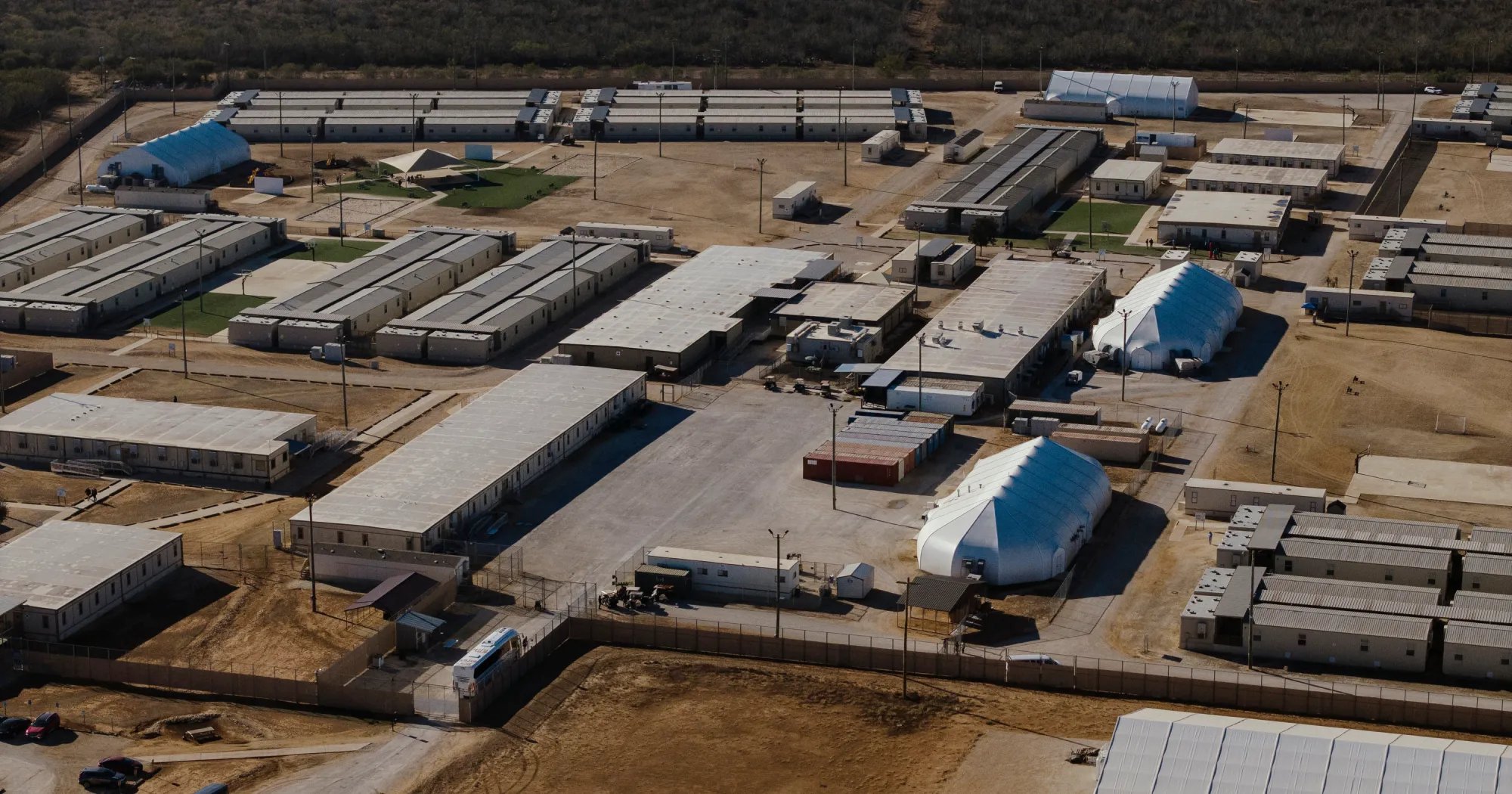





Families Struggle to Connect with Detained Loved Ones
Families are facing increased difficulties in locating and communicating with relatives detained by Immigration and Customs Enforcement (ICE) due to the ongoing shutdown of the Department of Homeland Security (DHS). Representative Julie Johnson, a Democrat from Texas, highlighted the plight of constituents who are unable to secure medical treatments or find information about their family members in detention. "Members of Congress continue to receive inconsistent responses from this administration regarding the scope of their oversight authority," Johnson stated. The shutdown has now stretched to 35 days, entering its sixth week, exacerbating concerns over the agency's operational capabilities.
Congressional Oversight in Jeopardy
The inability to communicate effectively with detained individuals has raised serious questions about the oversight responsibilities of Congress during the shutdown. Johnson emphasized that constituents have a fundamental right to information about loved ones in custody, stating, "If ICE can continue its operations even during a shutdown, then Congress must retain the ability to communicate with the agency." DHS has not answered questions about whether the department's internal oversight offices are working, including the Office of Immigration Detention Ombudsman and the Civil Rights and Civil Liberties office.
The Political Standoff Over DHS Funding
The shutdown began when Senate Democrats blocked a House-passed bill that aimed to fund critical DHS agencies, including ICE and the Transportation Security Administration (TSA). Senator Sheldon Whitehouse, a Democrat from Rhode Island, declared, "We already said we'd open everything in the department except ICE." Meanwhile, Republicans argue that the Democrats' stance is unsustainable, as they seek to reopen funding for all DHS operations.
Decrease in Family Detention Numbers
Data from ICE reveals a significant decline in the number of families detained at the Dilley Detention Center in Texas, which has seen a drop of more than 75% in bookings from January to February. The average daily population at the facility decreased from over 900 to just around 100 individuals. This reduction follows public pressure and outrage over the conditions faced by detained families, as highlighted by letters from children expressing their distress. Representative Joaquin Castro of Texas remarked, "That trailer prison is no place for children," applauding the decline in detention numbers.
Challenges for Immigration Lawyers
The shutdown has also impeded the work of immigration lawyers who represent detained individuals. Marium Uddin, an immigration attorney in Texas, noted that disruptions in communication with ICE can lead to serious consequences for clients seeking temporary release or legal assistance. "Even small disruptions in those communication channels can have serious consequences for individuals in detention," Uddin explained. This situation underscores the broader issues of accountability and oversight at DHS during this prolonged funding lapse.
Calls for Legislative Action
In response to the ongoing crisis, Johnson has introduced a bill that would require DHS to maintain communication with congressional offices, even during a lapse in funding. This legislative push reflects a growing concern among lawmakers about the agency's ability to provide transparency and uphold its oversight responsibilities. As the shutdown continues, both sides of the aisle remain entrenched in their positions, complicating efforts to find a resolution that ensures families can access information about their detained loved ones.
The ongoing DHS shutdown highlights the critical intersection of immigration enforcement and family welfare, with real-life implications for those navigating the complexities of the detention system.
The sources also report that Johnson visited the Dallas ICE field office, where an Afghan asylum seeker who aided U.S. Special Forces died less than a day after detention.