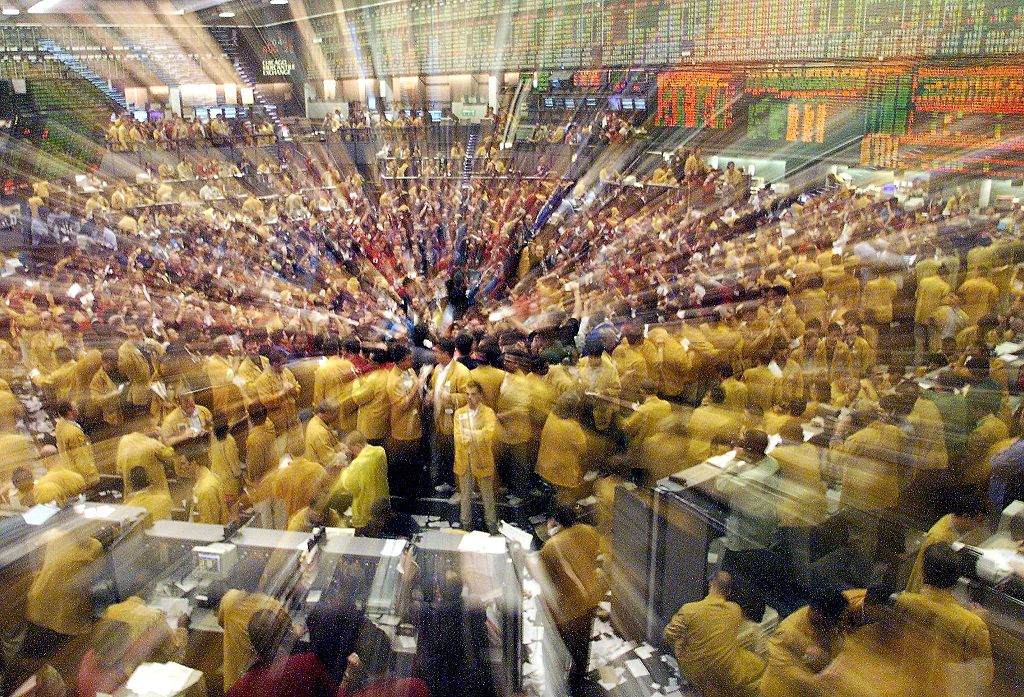





Market Plunge Marks Significant Losses for Investors
The Dow Jones Industrial Average fell 793 points, or 1.7%, to close at 45,167 on Friday, entering correction territory after five consecutive weeks of losses. This decline represents a 10% drop from its recent high of over 50,000 points reached in February. Investors are reacting to fears that the ongoing war in Iran may disrupt energy supplies in the Persian Gulf, potentially fueling a new wave of global inflation.
Broader Market Impact
The S&P 500 also faced a significant downturn, slumping 108 points, or 1.7%, to 6,369, while the tech-heavy Nasdaq saw a decline of 2.2%. The S&P 500 has now retraced to levels last seen in August, sitting 8.7% below its all-time high from January. This broader market selloff signals increasing investor anxiety as concerns about oil prices and geopolitical instability intensify.
Rising Oil Prices Drive Investor Anxiety
Crude oil prices surged again, with Brent crude rising 4% to $105.32 a barrel and U.S. benchmark crude climbing 5.5% to settle at $99.64 per barrel. Strategists at Macquarie warn that if the conflict persists until the end of June, oil prices could soar to $200 per barrel. The ramifications of such increases could ripple through the economy, raising costs for consumers and businesses alike.
Declining Consumer Confidence
A dip in U.S. consumer confidence exacerbates the market's woes. The University of Michigan's preliminary March sentiment index showed its lowest reading since December 2025. The decline was particularly pronounced among middle- and high-income consumers, reflecting widespread anxiety about the economic implications of the war. Elizabeth Renter, a senior economist at NerdWallet, noted that wartime conditions lead to expectations of rising prices and investment volatility.
Long-term Economic Concerns
The fear among investors is that the conflict in Iran will lead to long-term disruptions in oil and natural gas production, which could trigger a punishing wave of inflation. This scenario threatens to increase prices for everyday consumers, especially those purchasing gasoline, and could compel businesses reliant on transportation to raise their prices as well. The rise in oil prices has already begun to impact long-term Treasury yields, with the 10-year yield climbing to 4.44%, up from 3.97% before the conflict began.
Few Stocks Escape the Downturn
On Wall Street, most stocks fell, with two out of every three in the S&P 500 experiencing losses. Netflix added 0.3% on Friday, a day after announcing price hikes for its services. This minor increase stands in stark contrast to the overall market trend, highlighting the challenges facing many sectors amid the current economic climate.
Implications for the Future
As the Dow Jones enters correction territory, the financial landscape remains precarious. Investors and consumers alike must navigate the uncertainties posed by rising oil prices and geopolitical tensions. The potential for sustained inflation and economic strain looms large, prompting many to reassess their financial strategies in a tumultuous market environment.