





Agency Clears $6.2 Billion Television Deal
The Federal Communications Commission approved Nexstar Media Group's acquisition of Tegna on Thursday. This deal would create a company owning 265 television stations in 40 to 44 states and the District of Columbia.
Lawsuits Emerge from Eight States and DirecTV
Attorneys general in California, Colorado, Connecticut, Illinois, New York, North Carolina, Oregon, and Virginia filed lawsuits in a U.S. District Court in Sacramento. DirecTV filed a separate lawsuit, arguing the merger would raise prices for subscribers. Letitia James, New York attorney general, said the deal would spike cable prices for consumers across the country.
Supporters Highlight Benefits for Local News
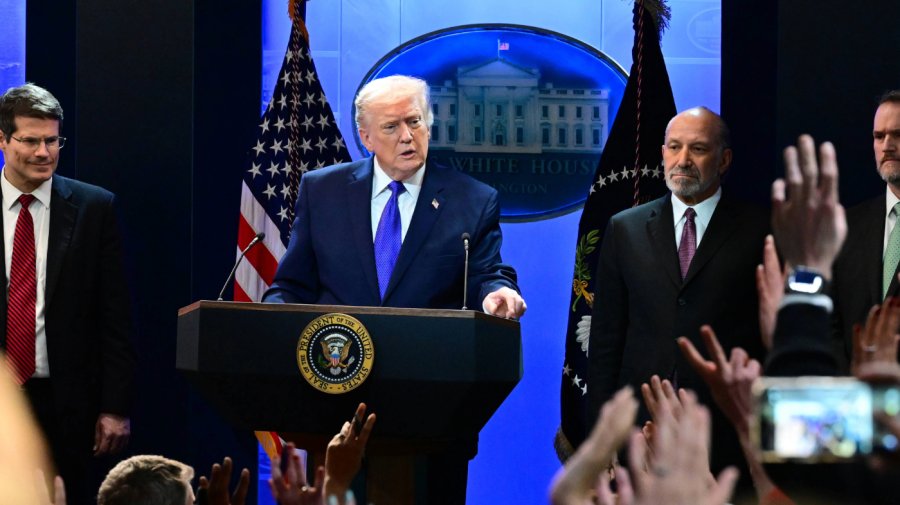
Perry Sook, Nexstar's chairman and CEO, called the merger essential for strong local journalism. Carr noted in a statement that the deal promotes competition by giving broadcasters resources to invest in operations. Sook also thanked President Trump and the Department of Justice for their approvals.
Opponents Warn of Higher Costs and Consolidation
The lawsuits claim the merger violates federal laws against monopolies by stifling competition. Anna Gomez, a Democratic FCC member, criticized the approval for lacking a full Commission vote and transparency. Gomez pointed out that the deal concentrates broadcast power, potentially leading to reporter layoffs and reduced editorial voices in local communities.
Effects on Broadcasting Markets
Nexstar and Tegna together operate stations in 31 markets, raising concerns about newsroom consolidation. The FCC's decision directly affects consumers by potentially altering access to local news and raising broadcasting costs. This change could mean higher bills for TV services, impacting how people stay informed about their communities. As a result, viewers might face fewer choices in programming that addresses local issues.
Court proceedings in Sacramento offer the next step, where judges will review the lawsuits' claims. The ongoing legal fight underscores how media consolidation could shrink independent news options, affecting everyday access to reliable local reporting in affected states.

The sources also report that Nexstar, the acquiring company, agreed to divest six television stations as part of the deal.