FCC's Push for Patriotic TV Sparks Free Speech Concerns
Revised after bias review
 Council News
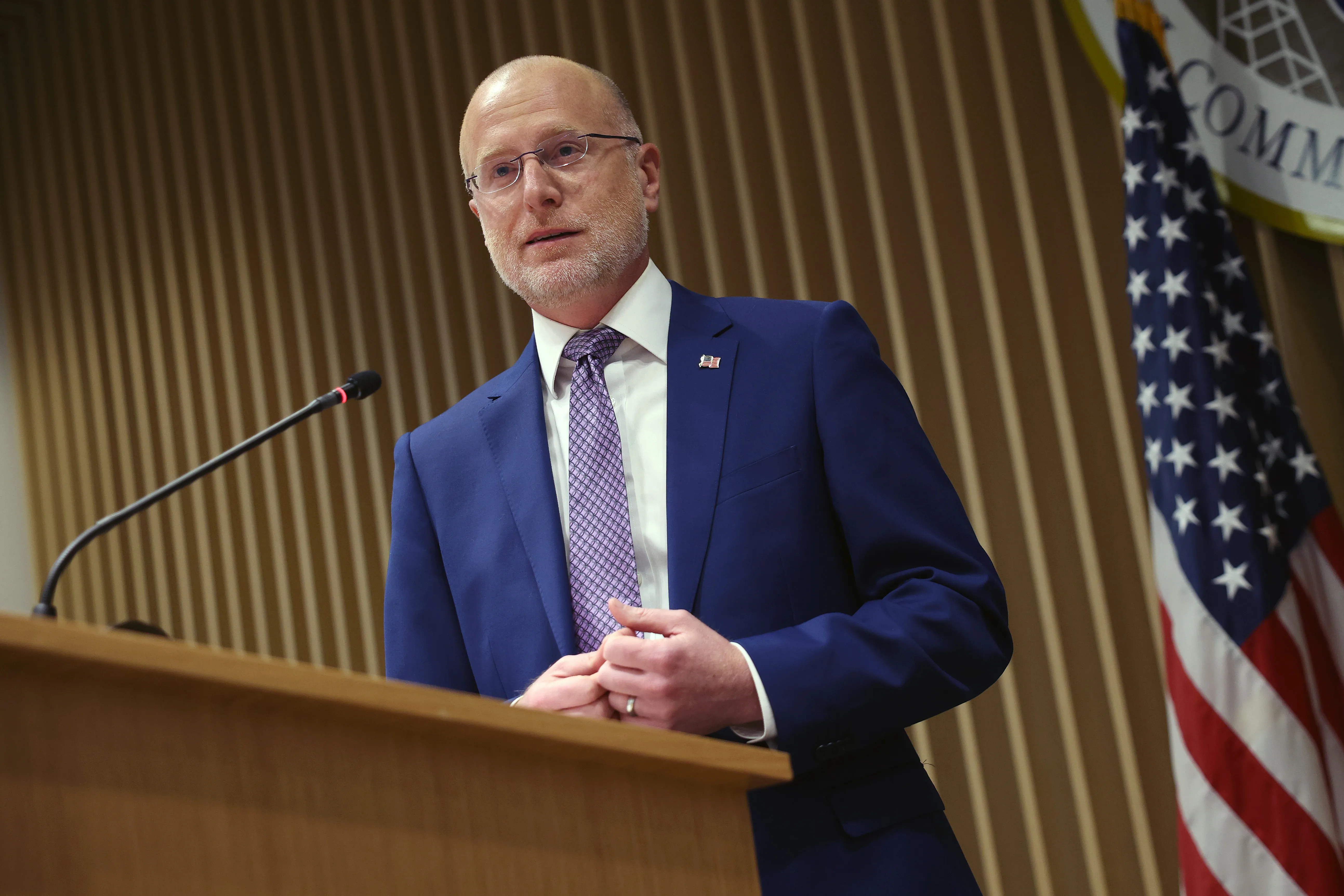





The FCC calling for more 'patriotic, pro-America' programming is a loaded statement that could be interpreted in many ways. It's likely to spark debate about government influence on media, what 'patriotic' means, and whether this is a slippery slope towards censorship or propaganda. The single source makes it undercovered, and the potential for outrage and discussion makes it shareable.
FCC calling for 'patriotic, pro-America' programming is a striking government overreach story with First Amendment implications that mainstream media largely missed. Single source coverage despite major free speech concerns. Viral potential: culture war angle + regulatory power abuse narrative appeals across ideological lines.
The FCC launched the "Pledge America Campaign," urging broadcasters to air more programming about American achievements. If you're tuning in, expect more content focused on the nation's history from its founding through the Trump administration. This shift could narrow the range of stories you encounter, raising questions about your access to balanced information.
The Federal Communications Commission is calling on TV and radio stations to prioritize content highlighting American accomplishments. The FCC specified that broadcasters should focus on the country's historic successes, including milestones from its early days through the Trump administration. The campaign targets licensed stations across the U.S., encouraging them to include narratives that emphasize national achievements. The FCC describes the campaign as voluntary and has not stated any penalties for non-compliance.
Free-speech advocates worry that even voluntary government suggestions can exert pressure on stations that depend on FCC licenses for renewal. They argue it blurs the line between government encouragement and outright influence. Critics worry that programs exploring controversies from the Trump administration might receive less airtime than celebratory content. Some analysts worry this could further erode public trust in media institutions.
Media professionals are grappling with how to respond without alienating audiences or inviting backlash. Small stations that depend on license renewals say they feel pressure to avoid antagonizing regulators. This shift could influence podcasts and online content, making it harder to find programming that reflects a full picture of American life. The real question is whether this leads to richer historical content or a narrower range of perspectives.
As the nation approaches its 250th anniversary, the FCC plans to host public forums in major cities to discuss the initiative. Republicans have praised the campaign as a way to foster unity. Democrats have labeled it as an overreach. For viewers, the stakes center on whether government encouragement of patriotic content strengthens or limits the historical narratives available to you.
Cross-referenced to ensure accuracy