Fed Official Signals Rate Hikes May End If Jobs Stay Hot
Revised after bias review
 Council News
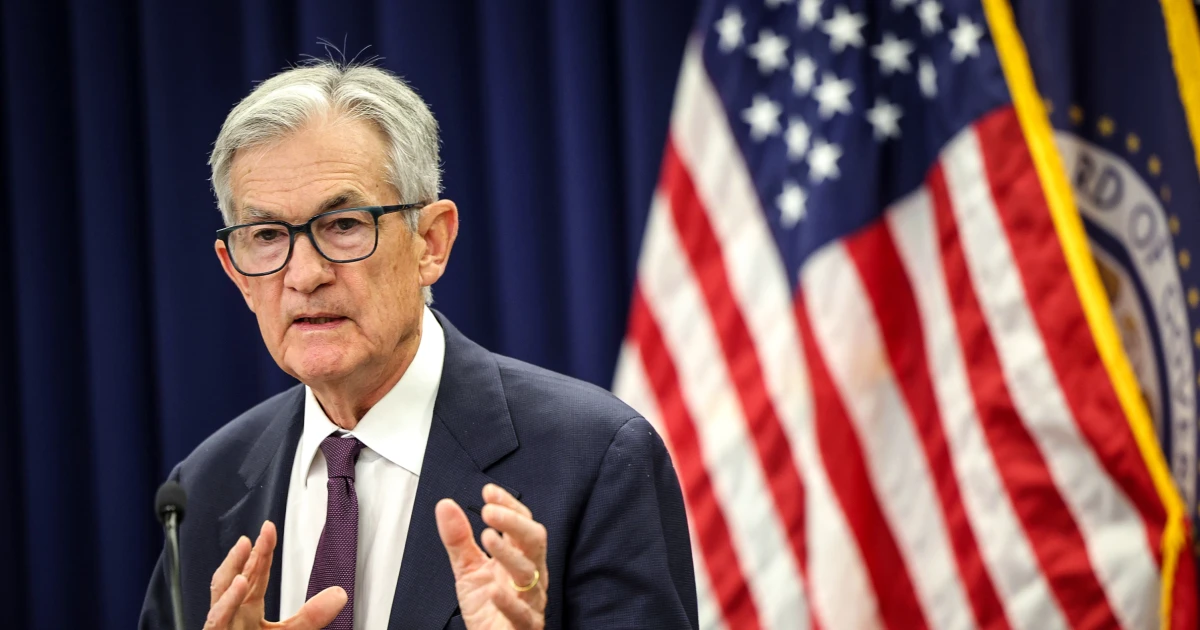





The Fed's Waller suggesting a policy pause after strong jobs data directly impacts interest rates and the economy. People will want to know if interest rate hikes are ending and what it means for their wallets.
The Federal Reserve's comments on job data could influence economic policy and interest rates, which are critical for consumers and investors alike.
The Fed's comments on jobs data could influence interest rates and borrowing costs, directly affecting your mortgage or loans, and the surprise element in the data would make people pause to see how it shapes economic stability.
Fed governor Waller says January’s hot jobs report may force the central bank to pause rate cuts; anyone with a mortgage, car loan, or credit-card balance will feel the difference in what they pay each month.
Your mortgage payment, car loan, and credit card bills could stop climbing if the Federal Reserve pauses interest rate increases. Fed Governor Christopher Waller said a pause may be appropriate if strong job growth continues. The central bank has raised rates since March 2022 to fight inflation, making borrowing more expensive for millions of Americans.
Here's what that means: Every time the Fed raises rates, lenders often raise the cost of new variable-rate loans and some existing credit lines. If rate hikes stop, that pressure eases.
January's employment report surprised economists with its strength. The labor market added more jobs than forecasters predicted, and wage growth remained solid. The strong job growth is generally viewed positively, especially for those seeking employment. But it complicates life for the Federal Reserve.
The central bank has raised rates since March 2022 to fight inflation. The strategy works by cooling the economy and slowing hiring, which reduces wage pressure and brings prices down. A strong jobs market runs counter to that goal. It suggests inflation might not be cooling as fast as the Fed hoped.
Waller sits on the Federal Reserve's policy committee. He acknowledged the jobs surprise but attached a condition: if strong job growth continues, the Fed may pause its rate increases. This is not a guarantee. Waller emphasized that the central bank is watching, and if the pattern holds, it could change course.
This matters because the Fed controls the federal funds rate, which ripples through the entire economy. When the Fed holds rates steady, most banks leave their prime rate unchanged, which can slow increases on variable-rate loans tied to prime. Mortgages, auto loans, and credit cards all follow. A pause would give households breathing room after months of climbing costs.
The Fed will receive more jobs data before its next policy meeting. If those reports show continued strength, Waller indicated that the Fed may consider a rate pause at its next policy meeting. If jobs data weakens, the Fed might continue raising rates to keep inflation in check.
For consumers with variable-rate debt, the next jobs report could influence whether future payments rise or stabilize.
Cross-referenced to ensure accuracy