




A Law Dies Before It Starts
A federal judge has blocked Virginia's law restricting social media access for children, preventing the state from enforcing age-verification requirements that would have affected users under 18. The ruling means children and teenagers will continue using Instagram, TikTok, YouTube, and other platforms without the new limitations Virginia lawmakers had approved.
The decision represents a legal setback for Virginia's approach to regulating how tech companies serve minors. Virginia's law would have required social media platforms to verify users' ages and restrict access for children under 13, along with imposing additional protections for teenagers between 13 and 17. The judge found the law likely violated free speech rights and raised serious constitutional questions about how states can police online platforms.
Why the Judge Blocked It
The court determined that Virginia's approach to age verification created practical and legal problems that outweighed the state's interest in protecting children. Age-verification systems themselves raise privacy concerns, as they require users to submit personal identification data to platforms. The judge also questioned whether a single state could effectively regulate national platforms without creating a patchwork of conflicting state laws that would burden companies' operations.
Meta challenged the law, arguing it was unconstitutional and unworkable. Meta's legal team contended that age-verification systems are unreliable and that restricting access based on age violates users' First Amendment rights to access information online.
The Broader Fight Over Kids and Social Media
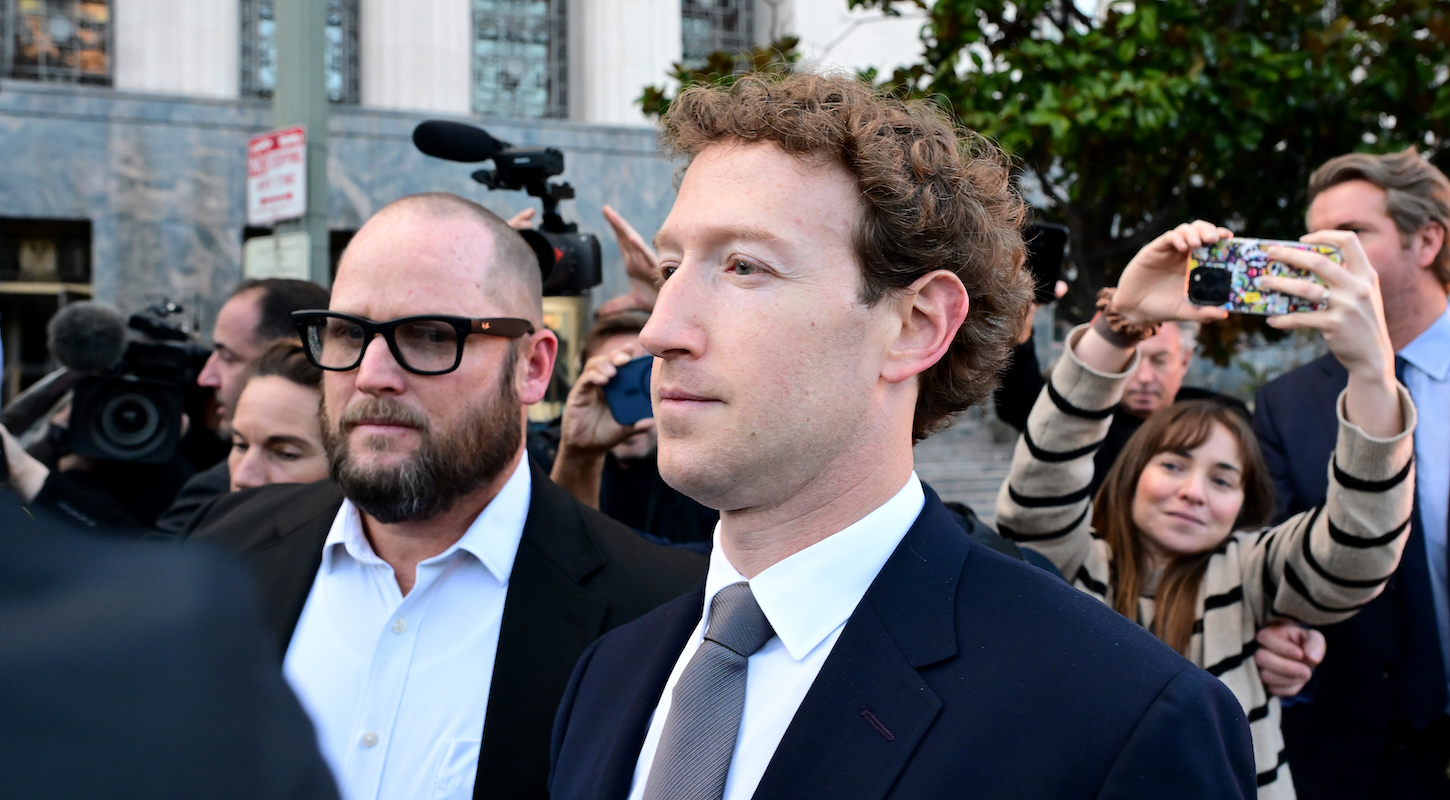
This ruling arrives as courts and regulators nationwide grapple with whether social media platforms deliberately addict young users to their services. In a California trial currently underway, a 20-year-old woman is suing Meta and YouTube, alleging the companies deliberately designed their platforms to be addictive and that her addiction to Instagram and YouTube degraded her mental health during adolescence. Mark Zuckerberg testified in the case last week, arguing that Meta is not responsible for mental health problems caused by extreme platform use, and that such problems stem from separate trauma rather than the platforms themselves.
The tension between protecting children and preserving digital rights has become one of the most contentious policy questions in technology law. Virginia is one of several states that have passed laws regulating platforms; federal judges have blocked some of those laws on First Amendment grounds.
What Happens Next
The Virginia law cannot be enforced while the injunction stands; the state may appeal. Other states with similar age-restriction laws may face legal challenges as well, following this precedent. For now, children and parents in Virginia will continue navigating social media without the new guardrails the state had attempted to impose.