




What the court actually decided
A three-judge panel of the Ninth Circuit Court of Appeals ruled Tuesday that six-year-olds do not check their constitutional rights at the classroom door and revived the lawsuit filed by the child, identified only as B.B., after Viejo Elementary principal Jesus Becerra allegedly barred her from recess for two weeks in March 2021. The opinion vacates a lower-court grant of summary judgment and sends the case back to trial, where the district must defend its punishment of a first-grader for handing a crayon drawing to a classmate.
The drawing that started the fight
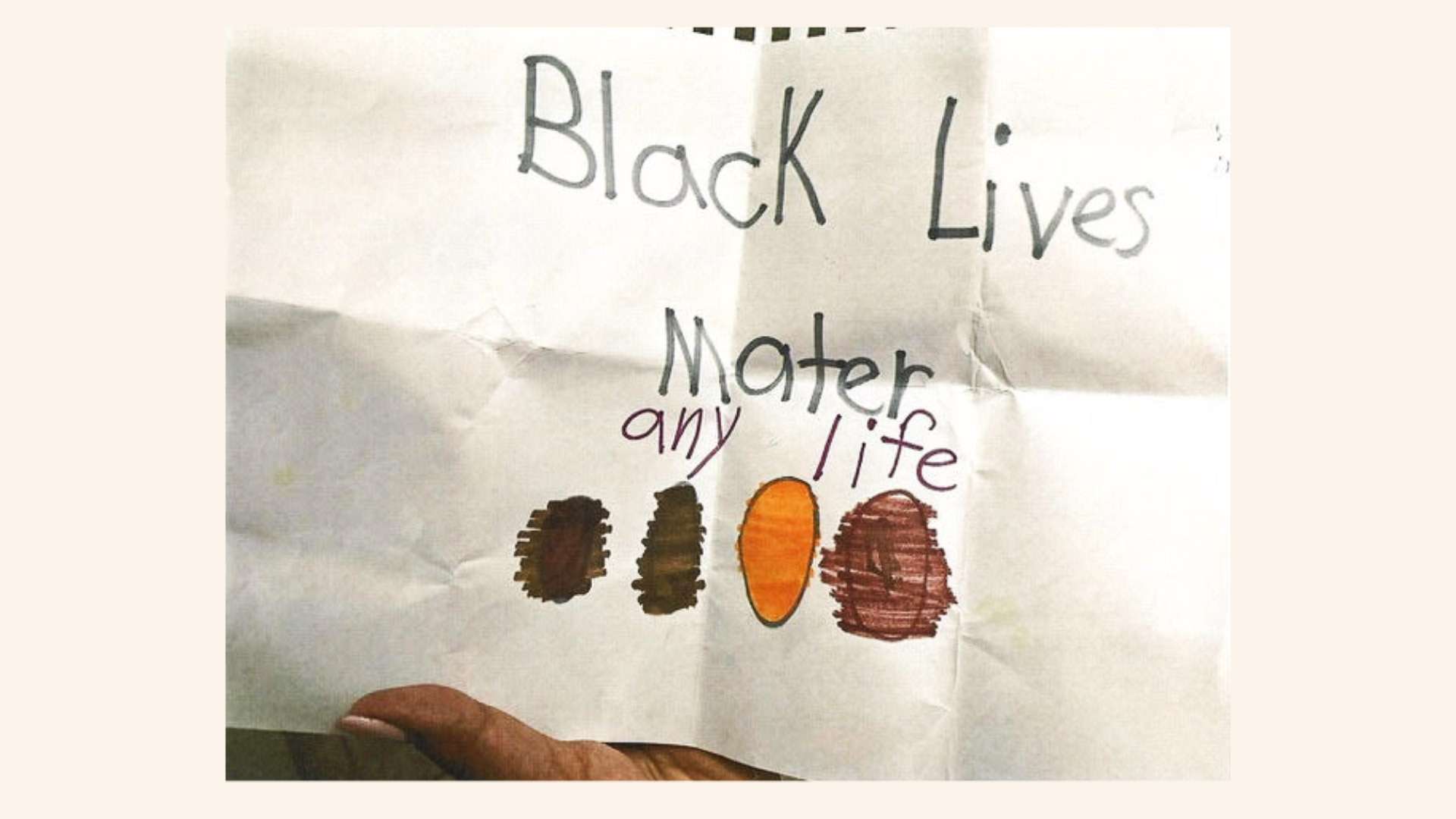
The drawing showed stick figures holding hands under the words "Black Lives Mater [sic] any life," sketched after a lesson on Martin Luther King Jr. B.B. gave the picture to her classmate M.C., the only Black student in the grade. M.C.'s mother emailed Becerra the next day, saying she "did not trust what 'any life' meant" and demanding the school stop her daughter from receiving "messages because of her skin color."
Principal's version versus the child's
Becerra told the court he never called the drawing "racist" or "inappropriate," but B.B. testified he did, then forced her to apologize and miss recess for two weeks. The appeals court said the factual clash matters because schools must prove any speech restriction is "reasonably necessary to protect the safety and well-being of its students," the standard set in the 1969 Tinker v. Des Moines decision.
Why the Ninth Circuit revived the case
The panel wrote that "elementary students' speech is protected by the First Amendment, the age of the students is a relevant factor under Tinker, and schools may restrict students' speech only when the restriction is reasonably necessary." Because B.B. was six, the court said, the district must show actual disruption, not just adult discomfort. It found "conflicting evidence about whether Becerra could reasonably conclude the drawing interfered with M.C.'s rights."
The lawyer's victory lap
Caleb Trotter, senior attorney at the Pacific Legal Foundation representing B.B., called the ruling a precedent for the country's youngest students: "Students don't lose their constitutional rights just because they're young. No child should be punished for expressing a well-intentioned message to a friend." Neither Becerra nor the district returned requests for comment Tuesday.
What happens next
The case returns to U.S. District Judge David O. Carter for a trial where the district must prove the crayon picture caused enough disruption to justify punishment. If it cannot, B.B. could recover damages.