German exports of vehicles to China dropped by a third in 2025, disrupting supply chains that support global automakers. This shift could tighten supply and nudge U.S. sticker prices higher.
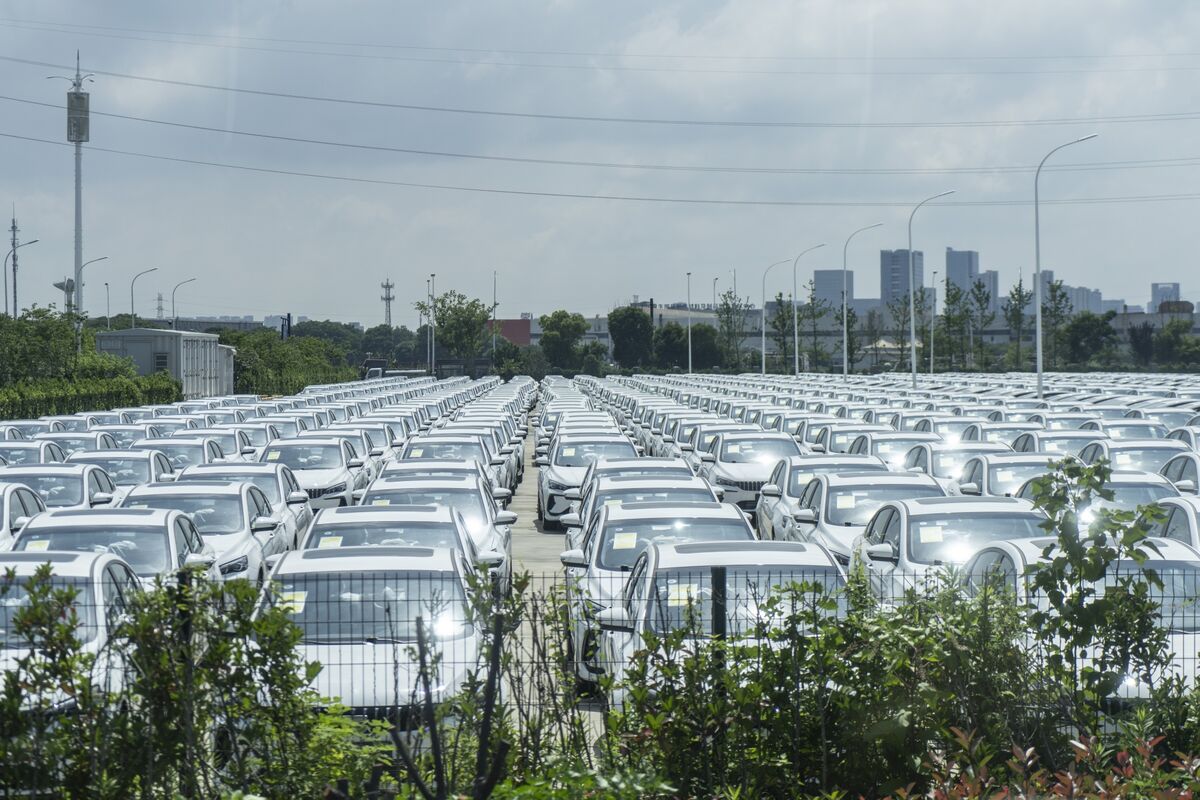
German manufacturers shipped 33% fewer cars to China in 2025, according to data from an economic institute. This plunge stems from heightened trade barriers and slowing demand in China, where local brands like BYD are capturing market share from foreign rivals. Major German automakers saw their China sales fall sharply as part of the broader export decline.
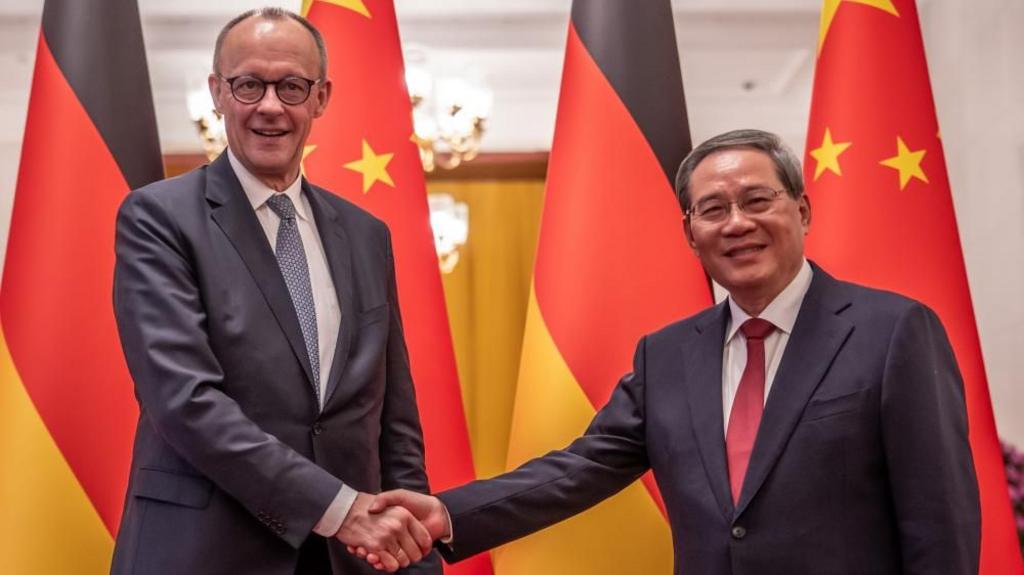
Friedrich Merz, Germany's chancellor, arrived in Beijing this week to negotiate better terms for German businesses. Merz emphasized that cutting ties with China would harm Germany's economy. He pointed to the significant number of German jobs tied to exports. Chinese officials have previously defended trade restrictions as necessary to protect domestic industries. These restrictions limit access to key markets for European firms.
China restricted exports to 40 Japanese entities, according to NPR reporting. China says these moves target firms supporting Japan's military buildup. Japan and Western allies dispute this characterization. The restrictions illustrate a broader pattern of export curbs that Beijing says protect its security interests. For German exporters, this highlights the potential for similar restrictions, especially as China prioritizes its own electric vehicle makers over imports.
With fewer cars flowing to China, German automakers may reroute inventory, tightening supply chains that keep U.S. showrooms stocked. Suppliers in key auto states say they are watching for possible knock-on delays. Analysts warn that continued disruption could add pressure for steeper trade barriers, a cost consumers often shoulder.
Merz's delegation in Beijing could ease some pressures. The outcome of these negotiations could affect employment in American auto manufacturing, according to industry observers.
If you're shopping for a new car or truck, brace for higher sticker prices. German exports of vehicles to China dropped by a third last year, disrupting supply chains that keep American auto costs in check and potentially adding hundreds of dollars to your next purchase.
German manufacturers shipped 33% fewer cars to China in 2025, according to data from an economic institute. This plunge stems from heightened trade barriers and slowing demand in China, where local brands like BYD are capturing market share from foreign rivals. Volkswagen and BMW, two of Germany's biggest exporters, saw their China sales fall sharply, forcing factories in Europe to idle production lines and delay new models.
Friedrich Merz, Germany's chancellor, arrived in Beijing this week to negotiate better terms for German businesses amid the fallout. Merz emphasized that cutting ties with China would harm Germany's economy, pointing to the 1.5 million jobs tied to exports. Yet his talks face pushback from Chinese officials, who defend their policies as necessary to protect domestic industries, even as they restrict access to key markets for European firms.
China's restrictions on exports to 40 Japanese entities, including 20 companies linked to technology, highlight a broader pattern of trade enforcement. These moves target firms Beijing accuses of supporting Japan's military buildup, escalating tensions that could spill over to other nations. For German exporters, this serves as a warning that similar restrictions might follow, especially as China prioritizes its own electric vehicle makers over imports.
The export drop isn't just a European headache—it's rippling across the Atlantic. American car buyers could see prices climb as German firms seek alternative markets, driving up competition for U.S. components and labor. Dealerships in states like Michigan and Ohio, where German brands maintain plants, are already warning of delays and shortages. Economists from Deutsche Welle note that without quick resolutions, U.S. tariffs on Chinese goods might rise in response, further inflating costs for everyday vehicles.
Merz's delegation in Beijing could ease some pressures, but for the thousands of autoworkers in America, the outcome will decide whether their wages stay steady or factories cut shifts.
Highlighted text was flagged by the council. Tap to see feedback.