




A Growing Dilemma for Expectant Parents
If you're considering a home birth, be aware: if complications arise, your local hospital may not be ready to help. As home births gain popularity, families face a challenging reality—hospitals cite liability concerns when deciding whether to accept walk-in patients from home birth emergencies. Families report uncertainty about hospital access during complications.
The Reality of Home Births
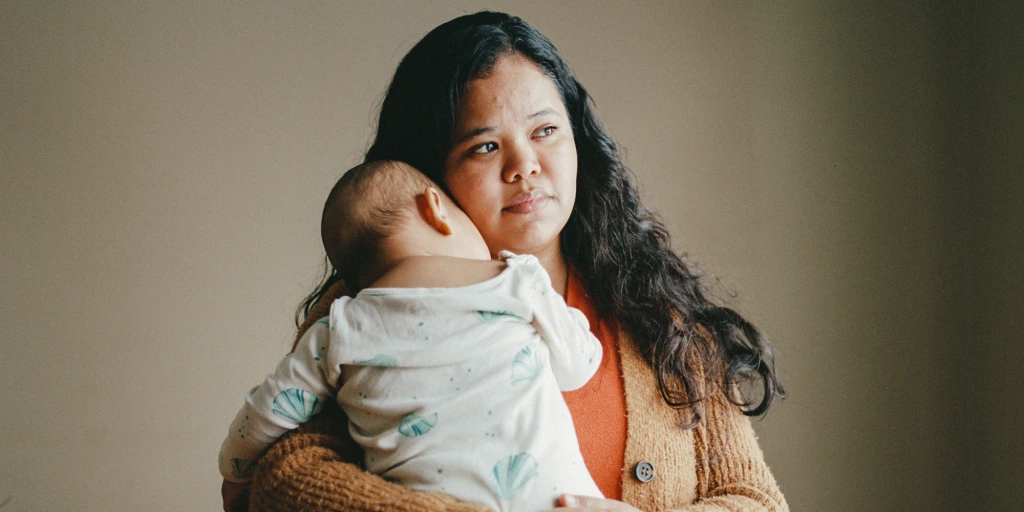
Maria Ibarra's experience illustrates this tension. As labor progressed in her Ohio living room, her plan to deliver at home began to unravel. More families are navigating the complexities of emergency care without clear protocols for safety. Some hospitals report lacking clear protocols for accepting patients from home births.
Why Hospitals Hesitate
Hospitals cite concerns about liability as a primary reason for their reluctance. Many facilities fear that accepting patients in distress from home births could expose them to legal risks. Some hospitals have reported lacking clear protocols for home birth emergencies. For expectant parents weighing the benefits and risks of home births, this uncertainty can influence their decision-making.
The Impact on Maternal Health
This growing issue raises critical questions about healthcare access for pregnant women, particularly in underserved communities. Families choose home births for various reasons: personal beliefs, desire for lower intervention rates, cost (hospital births average over $15,000), and closure of rural obstetric units. Medical organizations including the American College of Obstetricians and Gynecologists recommend home birth only under specific conditions with qualified attendants, citing risks of serious complications. Some families prioritize hospital access for immediate intervention if complications arise.
What Families Should Know
For families considering a home birth, it is essential to understand the risks involved. Establishing a clear plan with a midwife matters. However, many hospitals refuse to sign transfer agreements with home-birth midwives, leaving no legal pathway for admission. Parents must understand local hospital policies before committing to home birth. The decision to have a home birth should account for personal preferences, local healthcare policies, medical evidence about safety and outcomes, and the qualifications of birth attendants.
The Road Ahead
Home birth advocates call for hospitals to develop clear protocols for emergencies. Hospital administrators argue that liability concerns and resource constraints complicate such arrangements. State regulators have not mandated that hospitals accept emergent home-birth transfers, leaving admission decisions to individual risk managers. The debate continues over how to balance access with institutional risk management.