




The Plan Takes Shape Under Pressure
President Trump announced Sunday that Immigration and Customs Enforcement agents will deploy to U.S. airports starting Monday to assist Transportation Security Administration officers during a partial Department of Homeland Security shutdown that has stretched into its sixth week. White House border czar Tom Homan will oversee the operation, Trump said, as airport security lines have grown to hours-long waits nationwide.
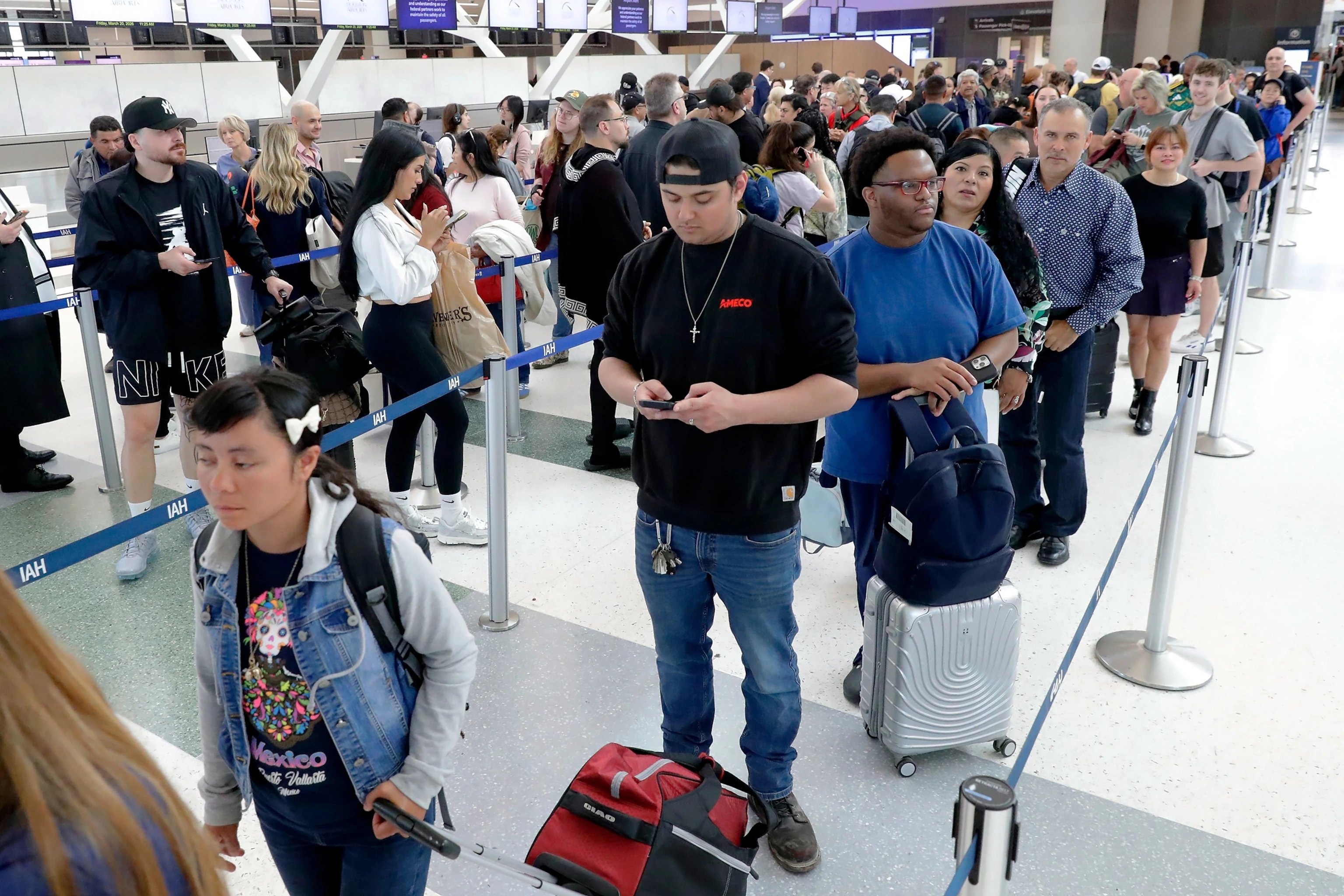
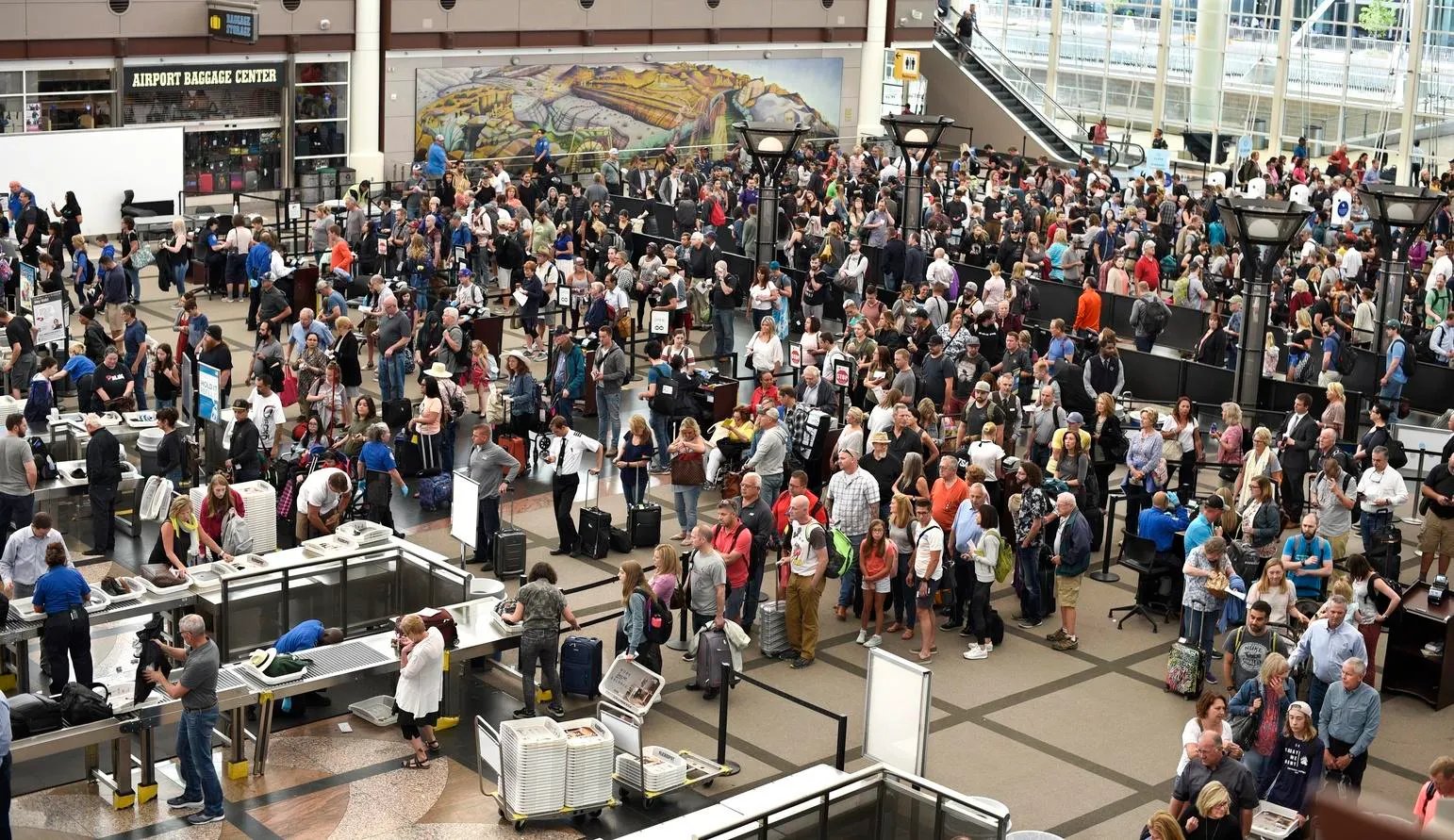
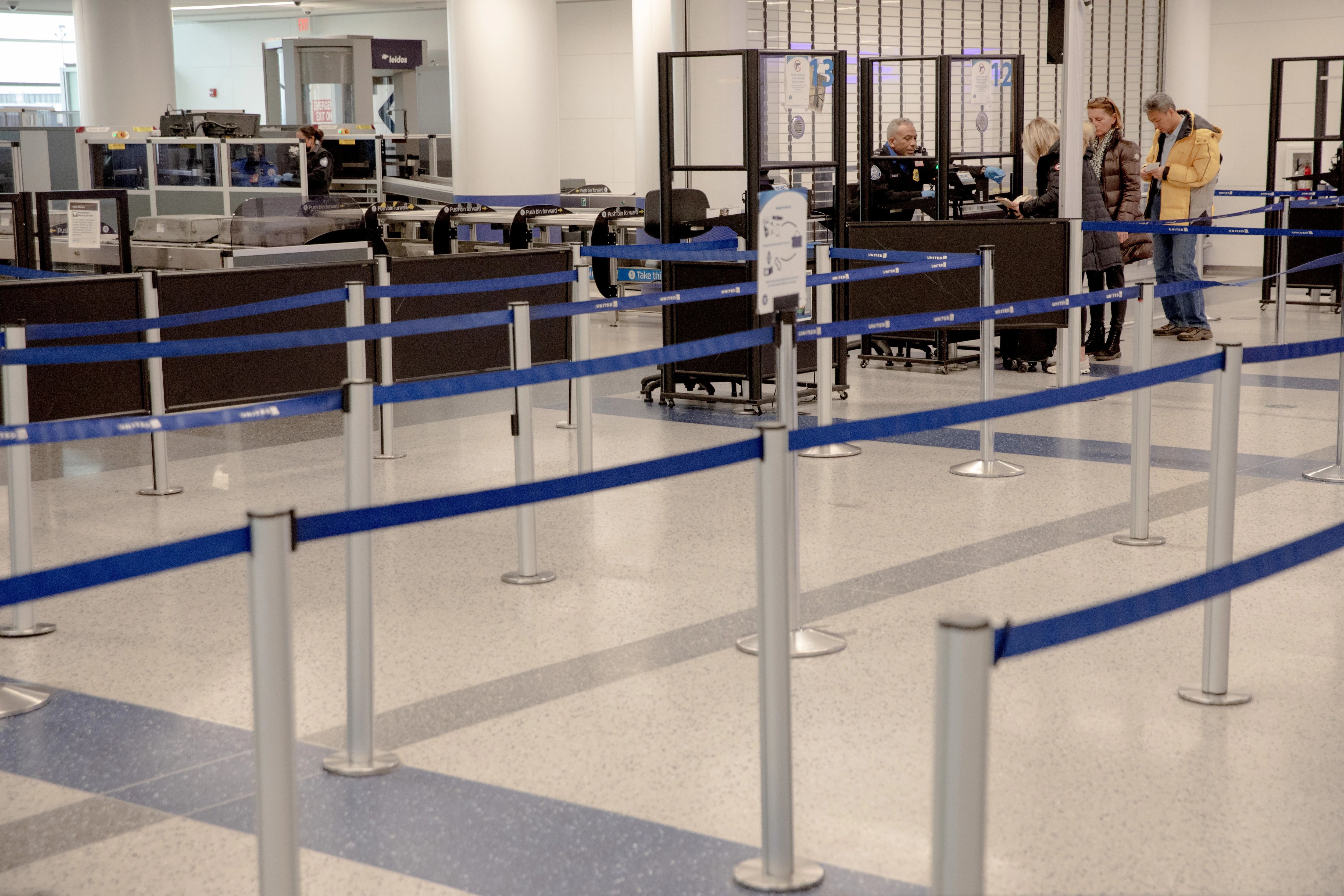
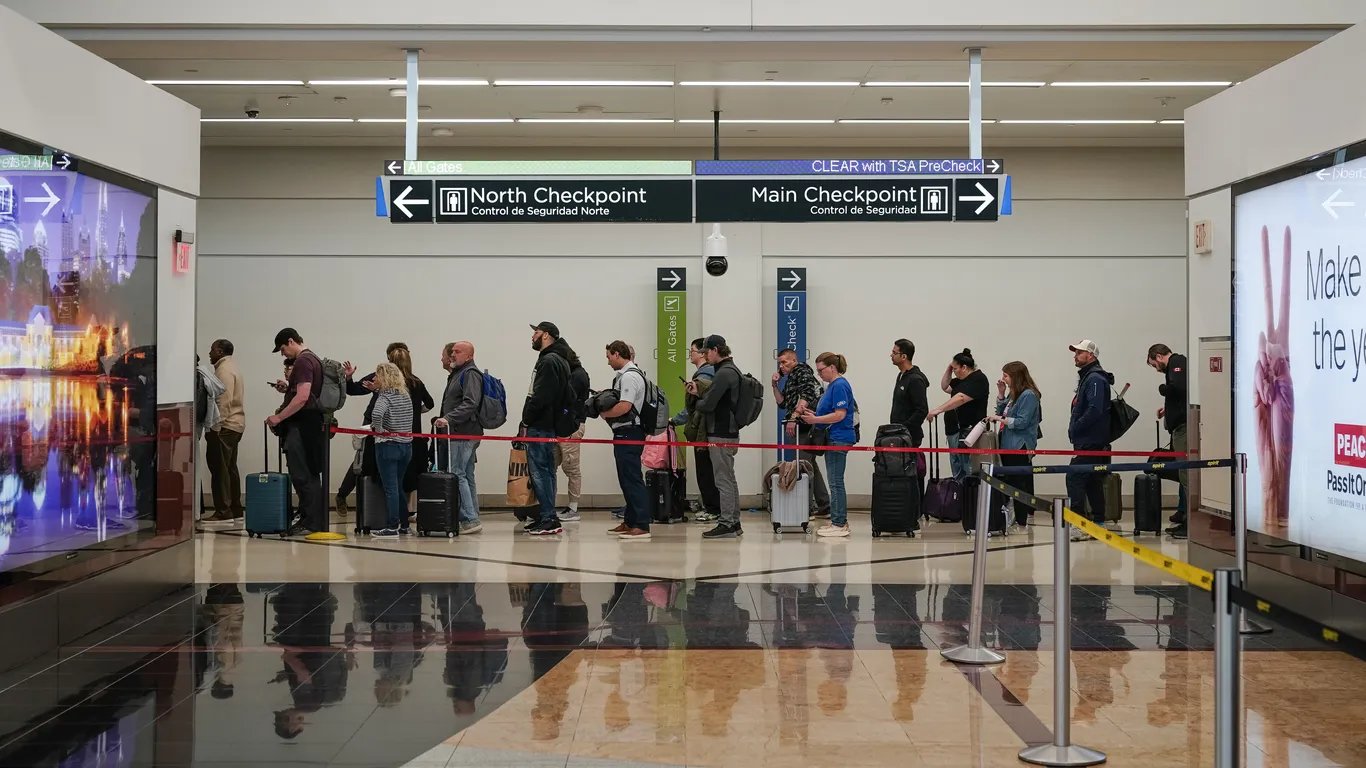
The move comes after TSA officers missed their first full paycheck last weekend while continuing to work without compensation. More than 400 officers have quit since the shutdown began in mid-February, with Saturday marking the highest call-out day when more than 3,250 employees did not report for duty. At Atlanta's Hartsfield-Jackson International Airport, 38 percent of officers missed work on Wednesday and 32 percent on Thursday. Wait times stretched to 120 minutes at Houston's George Bush Intercontinental Airport early Friday afternoon.
What ICE Agents Will Actually Do
Homan said ICE agents will not operate X-ray machines or conduct passenger screening, roles that require four to six months of specialized training. Instead, he described their function as guarding exit lanes and checking identification to free up TSA officers for more technical security work. "There are certain parts of security that TSA is doing that we can move them off those jobs and put them in the specialized jobs, help move those lines," Homan told CNN.
However, Transportation Secretary Sean Duffy suggested a broader role. "They know how to run the X-ray machines because they are again under Homeland Security with TSA," Duffy told ABC News on Sunday. The conflicting statements underscore uncertainty about the operation's scope. Homan acknowledged the plan remained incomplete, telling CNN: "It's a work in progress. But we will be at airports tomorrow helping TSA move those lines along."
ICE officials scrambled internally to execute Trump's directive after learning of it Saturday. "I have no idea what we're doing," one Department of Homeland Security source told CBS News when asked about the president's order. The Trump administration has not publicly specified which airports will receive ICE agents, how many will deploy, or the exact security roles they will fill, according to reporting from multiple outlets.
The Immigration Enforcement Question
Trump stated in a Saturday Truth Social post that ICE agents would arrest undocumented immigrants at airports with "heavy emphasis on those from Somalia." Homan did not rule out immigration enforcement operations, telling CNN: "We do immigration enforcement at airports all the time. So it's not going to change." As federal immigration officers, ICE agents have authority under the Immigration and Nationality Act to arrest anyone they believe is in the country illegally.
This dual mission troubles critics. The Flight Attendants Union warned that "attempts to question passengers about immigration status may distract them from ensuring airport security." The union also noted that ICE agents lack the rigorous training TSA workers receive, which cannot "be learned quickly."
Union and Democratic Opposition
Everett Kelley, president of the American Federation of Government Employees representing TSA officers, rejected the plan outright. "Putting untrained personnel at security checkpoints does not fill a gap. It creates one," Kelley said. He emphasized that more than 50,000 TSA employees have worked without pay for over five weeks, yet the administration's response is to send ICE agents rather than restore paychecks.
House Minority Leader Hakeem Jeffries criticized the deployment on CNN, saying: "The last thing that the American people need are for untrained ICE agents to be deployed at airports all across the country, potentially to brutalize or in some instances kill them." Senator Patty Murray, a Washington Democrat, posted on social media: "Oh yeah, I'm sure the next thing the American people want after long lines at TSA is to get wrongfully detained, beat up, and harassed by ICE."
Rep. Kevin Kiley, an independent from California, called the measure "not ideal," telling Dana Bash on CNN: "Anything we can do to make travel a little more seamless right now, I think is fine. But that is a very temporary and not ideal solution."
Expert Warnings on Security Risks
John Pistole, former TSA administrator, told Axios that the worst-case scenario involves an untrained screener missing a threat that a terrorist exploits to board a plane. Pistole also warned of potential confrontations between ICE agents and travelers hostile to the agency, and cautioned that pairing TSA with the polarizing immigration enforcement agency could further demoralize screeners already working without pay. "If I'm getting on a flight tomorrow, I want to know that the people doing the screening are qualified, that it's not their first day on the job," Pistole said.
A former senior ICE official told CBS News that agents would likely lack equipment and training for technical security tasks, and suggested that Customs and Border Protection officers would be better suited for airport security since many already operate at international airports.
The Funding Standoff
Democrats have refused to fund DHS without new guardrails on ICE, including requirements for judicial warrants before forcible home entries and bans on agents wearing masks. Republicans have blocked Democratic attempts to fund individual agencies like TSA while negotiations continue.
Senate Majority Leader John Thune, a South Dakota Republican, said he sees "deal space" emerging from discussions with the White House but questioned whether Democrats were serious about reaching agreement. Congress is scheduled for an extended Easter recess near month's end. Thune has threatened to keep senators in Washington if the impasse remains unresolved, saying: "I can't see us taking a break if the government is still shut down."