Federal agents detained Elmina Aghayeva, a Columbia University senior, early Thursday after misrepresenting themselves to gain entry to a residential building. They claimed to be searching for a missing child but were actually targeting her for a visa revoked in 2016. The incident raises concerns about how law enforcement practices may affect individuals relying on visas and highlights questions about procedures on college campuses.
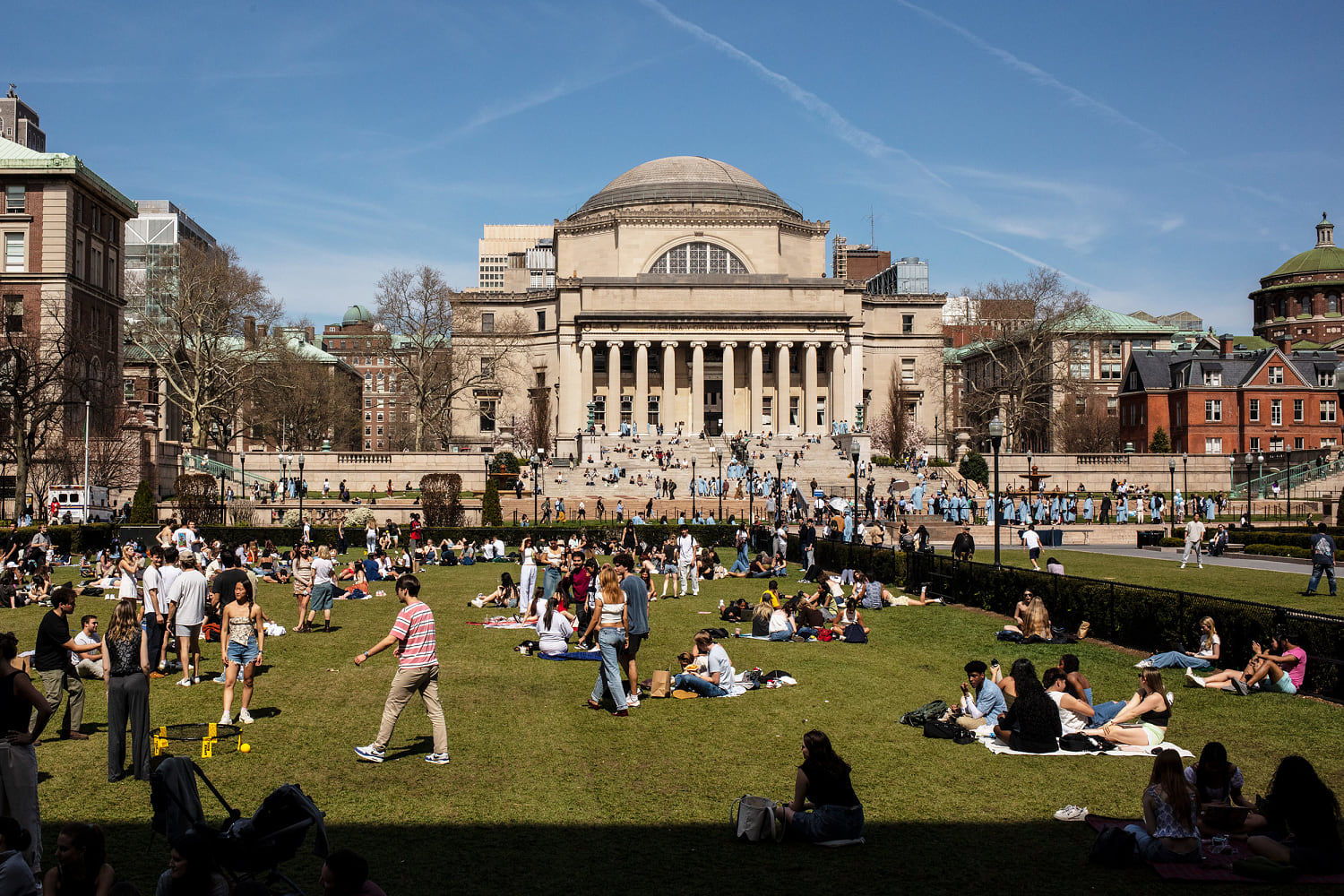
Federal agents from the Department of Homeland Security gained access to a Columbia residential hall by impersonating New York Police Department officers and claiming to search for a missing person. Acting President Claire Shipman confirmed the agents made these misrepresentations to university staff, allowing them to reach Aghayeva's room. They detained her on the spot, disrupting her semester.
Elmina Aghayeva, a neuroscience and political science major, had been living and studying at Columbia when agents targeted her for a visa revoked in 2016 during the Obama administration. It is unclear whether Aghayeva or the university were notified of the revocation before the detention. She was taken into custody, a case that may raise concerns for other international students with older visa issues.
Protests erupted at Columbia after Shipman's email alert. Protesters criticized the agents' methods and called for accountability. Manhattan Borough President Brad Hoylman-Sigal said agents impersonated NYPD with false claims about a missing person. A New York City council member criticized the agents' use of false pretenses.
This case raises questions about how immigration enforcement operates on college campuses. Acting President Claire Shipman said the agents misrepresented themselves to gain access to the residential building. The incident has raised concerns among international students about campus safety.
As Columbia pushes for more details from Homeland Security, the incident has prompted calls for clearer policies on law enforcement access to campus housing. The case raises questions about whether standard notification procedures were followed and what protections students should have.
If you're a student or parent worried about campus safety, imagine federal agents showing up at your dorm with fake badges, claiming to hunt for a missing child. That's what happened to Elmina Aghayeva, a Columbia University senior, when Immigration and Customs Enforcement officers detained her early Thursday, using a phony story to mask an immigration raid tied to a 2016 visa revocation. This breach raises alarms for anyone relying on visas, as it exposes how easily law enforcement can skirt Fourth Amendment protections, potentially turning any college hallway into a trap for unwarranted searches.
Federal agents from the Department of Homeland Security gained access to a Columbia residential hall by impersonating New York Police Department officers and waving a fabricated missing persons alert for a 5-year-old girl. Acting President Claire Shipman confirmed the agents made these misrepresentations to university staff, allowing them to reach Aghayeva's room without a warrant or proper notification. Once inside, they arrested her on the spot, ending her studies abruptly and highlighting the risks of such tactics on everyday student life.
Elmina Aghayeva, a neuroscience and political science major, had been living and studying at Columbia until agents targeted her for a visa revoked a decade earlier. Department of Homeland Security records show the revocation stemmed from administrative reasons during the Obama administration, yet no one notified the university or Aghayeva directly before the raid. This sudden enforcement disrupted her academic path and forced her into custody, a move that could affect thousands of international students facing similar outdated immigration flags.
Protests erupted at Columbia shortly after Shipman's email alert, with students and faculty gathering to condemn the operation as an abuse of power. Manhattan Borough President Brad Hoylman-Sigal publicly accused the agents of deception, calling for investigations into their methods and demanding accountability from federal leaders. City council members echoed these concerns, arguing the incident erodes trust between communities and law enforcement, especially in diverse urban areas like New York.
This case spotlights how immigration enforcement can collide with student protections, potentially chilling free expression on campuses nationwide. University officials noted the raid bypassed standard protocols, which could set a precedent for similar actions at other schools and infringe on privacy rights for non-citizens. With federal agents operating without clear oversight, students from abroad now face heightened anxiety about their daily routines, from attending classes to living in dorms.
As Columbia pushes for more details from Homeland Security, the fallout could reshape campus policies on law enforcement access and visa compliance. For the roughly 12,000 international students at U.S. universities, this event underscores the need for immediate reforms to prevent future deceptions, ensuring no one's education hangs on a thread of misinformation.
Highlighted text was flagged by the council. Tap to see feedback.