Iran Tests New Naval Missile, Heightening Tensions in Key Oil Shipping Lane
Revised after bias review
 Council News
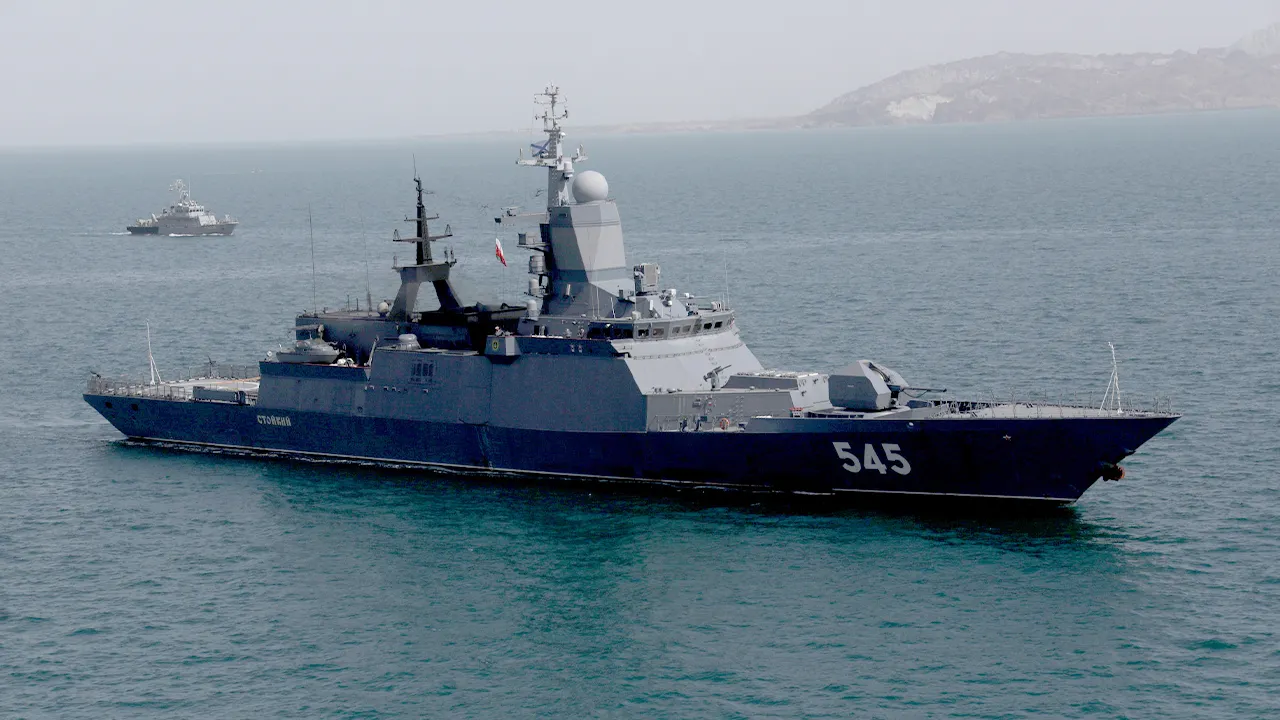





Iran's test of a new naval missile amid US tensions could heighten risks of conflict in key shipping lanes, potentially disrupting global trade and oil prices that affect Americans; the surprise escalation and its implications for US military posture create reader interest, as it challenges assumptions about Middle East stability and economic impacts.
Madison's argument highlights the potential for significant economic and geopolitical consequences stemming from the missile test. While the actual impact is uncertain, the risk of escalation and disruption to global trade is real and relevant to citizens. The potential for surprise and the challenge to assumptions about Middle East stability also increase reader interest. I initially underestimated the potential impact and reader appeal.
Madison's argument identifies genuine substantive reasons this merits coverage: (1) Direct economic impact on Americans through oil prices and global trade disruption, (2) Real geopolitical escalation in a critical chokepoint (Strait of Hormuz handles ~21% of global oil trade), (3) Legitimate news value in military escalation patterns. While the framing emphasizes 'surprise' somewhat generously—Iran regularly tests weapons—the underlying story is sound. This isn't clickbait; it's a legitimate intersection of foreign policy, economics, and security that affects readers materially. I was too dismissive of the practical importance. A reader interested in economics, energy markets, or Middle East stability would genuinely want this information. The story clears the threshold of 'would someone actually read this'—yes, investors, policy observers, and citizens concerned about gas prices would.
The Iranian Revolutionary Guard Corps Navy launched the Sayyad 3-G naval air defense missile in the Strait of Hormuz. More than $500 billion in oil and gas flows through this waterway annually. The test occurs as the U.S. has increased its naval presence in the region.
The missile test shows Iran's military capabilities. U.S. officials view it as a challenge to American military posture in the region. Iran has not yet provided its own characterization of the exercise's purpose.
The U.S. has increased its naval presence in the region. U.S. officials say this aims to deter Iranian military action. Iran's newly-tested missile may prompt U.S. officials to review their approach to security in the Gulf.
If conflict were to impede the flow of oil and gas through the Strait of Hormuz, fuel prices could rise. This would affect transportation costs and household budgets. Global energy markets are sensitive to geopolitical tensions in this region.
The international community is monitoring developments in the Strait of Hormuz, where regional tensions could affect global energy markets. Some analysts suggest diplomatic efforts could help reduce tensions in the region.
Cross-referenced to ensure accuracy