Iran War Fuels Rising Gas Prices, Hitting Consumers' Wallets
Revised after bias review
 Council News





Oil and gas prices are soaring, but some countries are preparing with solar panels and electric vehicles, indicating a shift towards renewable energy solutions amidst rising fossil fuel costs.
Brent crude closed above $100 for third straight session, pushing utilities from Spain to South Korea to fast-track solar and EV subsidies to cut oil dependence.
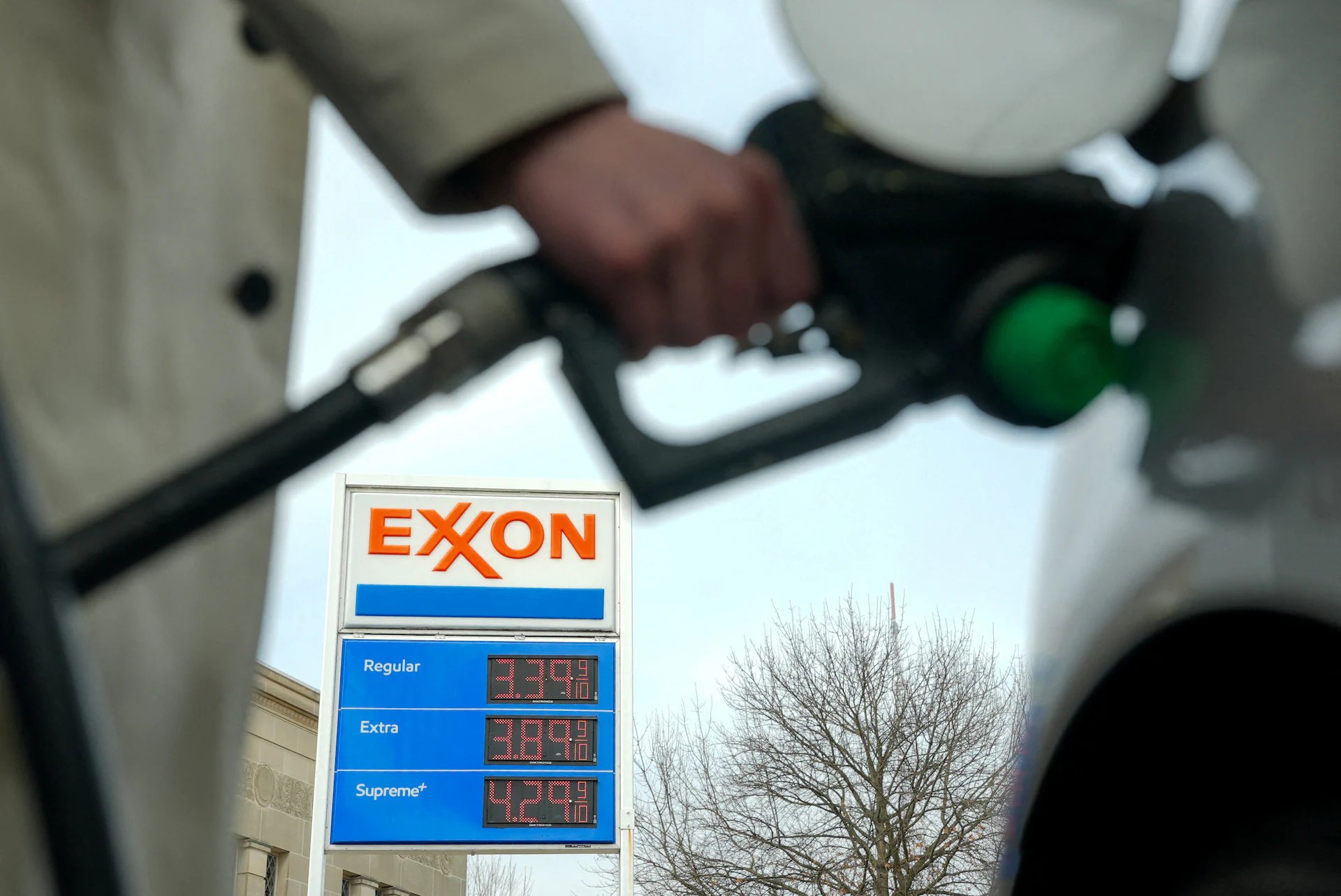
As the war in Iran enters its third week, U.S. gasoline prices are averaging $3.72 a gallon, a jump of nearly 80 cents from one month prior. Diesel prices have increased even more sharply, now sitting just under $5 a gallon, up $1.34 from last month, according to AAA. Patrick de Haan, the head of petroleum analysis at GasBuddy, said upward pressure on fuel prices is likely to persist until oil flows resume through the Strait of Hormuz.
The Strait of Hormuz is a crucial waterway through which about 20% of the world's oil traffic typically passes. President Trump is encouraging other nations that depend on oil exported through the passage to "come and help us with the Strait."
Higher diesel prices have an inflationary impact on nearly all goods in the economy, because diesel is used to power farm equipment, construction equipment, and the trucks, ships, and trains that carry goods around the world.
President Trump said the U.S. has "literally obliterated" the Iranian regime as the third week of the war is underway. Approximately 200 U.S. service members have been wounded since the start of Operation Epic Fury, according to U.S. Central Command. The seven countries where the service members were injured are Bahrain, Iraq, Israel, Jordan, Kuwait, Saudi Arabia and the United Arab Emirates.
FCC Chair Brendan Carr has threatened to revoke broadcasters' licenses over Iran war coverage. Trump said he was "thrilled" that Carr is "looking at the licenses" of some "Highly Unpatriotic 'News' Organizations" on Truth Social Sunday evening. CNN CEO Mark Thompson said the network stands by its journalism.
President Trump said Monday that the U.S has the Strait of Hormuz in "very good shape." He added that Secretary of State Marco Rubio and other administration officials would be announcing the countries that will assist the U.S. with reopening the Strait. The United Arab Emirates Ministry of Defense said that the country "dealt with six ballistic missiles and 21 drones coming from Iran" on Monday alone.
Cross-referenced to ensure accuracy