Iraq has declared force majeure on its foreign-operated oilfields, citing disruptions in the Strait of Hormuz as the reason for the action. The declaration, confirmed by sources familiar with the matter, exempts Iraq from contractual obligations to deliver oil from fields operated by international companies. This legal mechanism allows a nation to suspend performance of contracts when extraordinary circumstances beyond its control prevent fulfillment.
The force majeure declaration affects foreign operators working in Iraqi territory. It represents a significant shift in how Iraq is managing its oil production amid regional instability. The move signals that Iraq views the Hormuz disruption as severe enough to justify invoking one of the most serious contractual protections available to a producing nation.
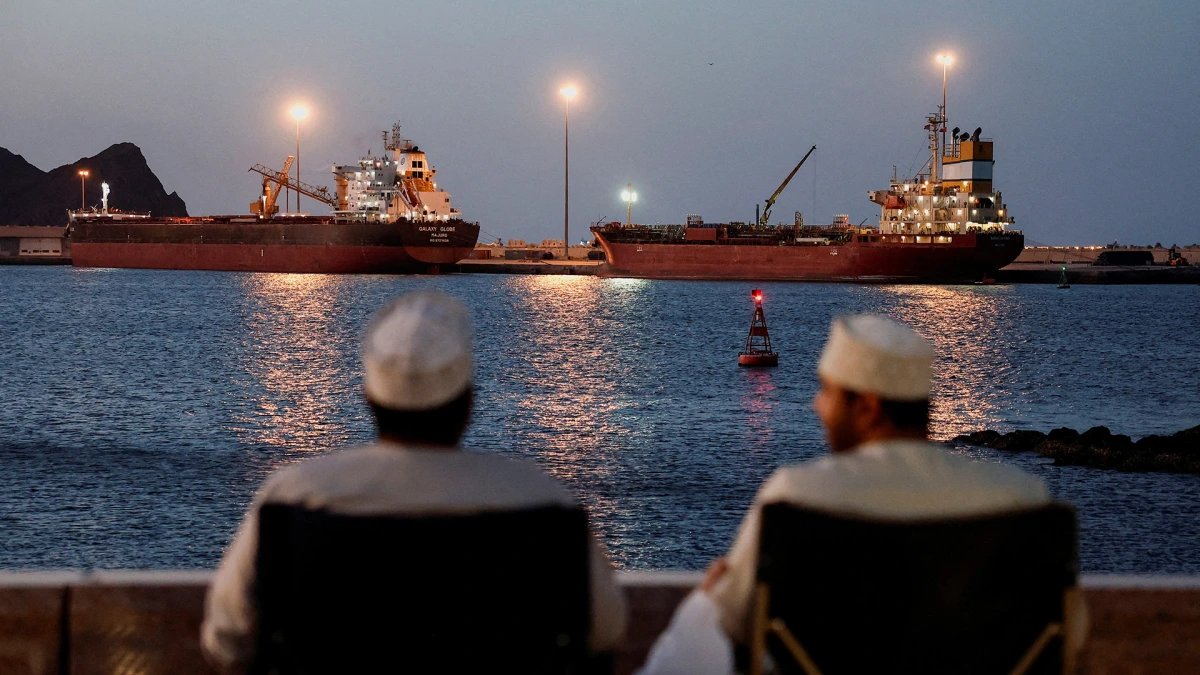
The Strait of Hormuz serves as a critical chokepoint for global oil shipments. Disruptions to shipping through the waterway directly threaten Iraq's ability to export crude oil to international markets. Without reliable passage through the strait, Iraqi oil cannot reach buyers, making continued contractual delivery impossible regardless of production capacity.
Iraq's declaration essentially acknowledges that external factors beyond the nation's control have made it impossible to meet existing agreements with foreign oil companies operating in the country. The force majeure claim protects Iraq from penalties or breach of contract claims while the strait remains disrupted.
The Hormuz disruption occurs amid escalating tensions in the region. NATO has begun adjusting its mission in Iraq, with personnel being withdrawn to support operations elsewhere as conflict intensifies. The alliance confirmed it is "adjusting" its presence in Iraq after reports emerged of troop reductions from the country.
Qatar's energy chief warned previously of the dangers of provoking Iran, suggesting regional leaders anticipated the current instability.
The disruption has prompted the insurance industry to adapt. Chubb announced it is offering war-risk coverage to support ships transiting the Strait of Hormuz, filling a gap in protection for vessels navigating the dangerous passage. This coverage enables shipping to continue despite heightened risks, though at increased cost to operators and ultimately to consumers of oil products.
The availability of war-risk insurance does not solve the underlying problem of physical disruption to shipping but provides a financial mechanism for companies to manage the added danger of operating in the region during the conflict.
Iraq has declared force majeure on its foreign-operated oilfields, citing disruptions in the Strait of Hormuz as the reason for the action. The declaration, confirmed by sources familiar with the matter, exempts Iraq from contractual obligations to deliver oil from fields operated by international companies. This legal mechanism allows a nation to suspend performance of contracts when extraordinary circumstances beyond its control prevent fulfillment.
The force majeure declaration affects foreign operators working in Iraqi territory. It represents a significant shift in how Iraq is managing its oil production amid regional instability. The move signals that Iraq views the Hormuz disruption as severe enough to justify invoking one of the most serious contractual protections available to a producing nation.
The Strait of Hormuz serves as a critical chokepoint for global oil shipments. Disruptions to shipping through the waterway directly threaten Iraq's ability to export crude oil to international markets. Without reliable passage through the strait, Iraqi oil cannot reach buyers, making continued contractual delivery impossible regardless of production capacity.
Iraq's declaration essentially acknowledges that external factors beyond the nation's control have made it impossible to meet existing agreements with foreign oil companies operating in the country. The force majeure claim protects Iraq from penalties or breach of contract claims while the strait remains disrupted.
The Hormuz disruption occurs amid escalating tensions in the region. NATO has begun adjusting its mission in Iraq, with personnel being withdrawn to support operations elsewhere as conflict intensifies. The alliance confirmed it is "adjusting" its presence in Iraq after reports emerged of troop reductions from the country.
Qatar's energy chief warned previously of the dangers of provoking Iran, suggesting regional leaders anticipated the current instability. The withdrawal of NATO resources from Iraq underscores how the conflict has stretched military commitments across multiple theaters, forcing difficult choices about where to deploy personnel.
The disruption has prompted the insurance industry to adapt. Chubb announced it is offering war-risk coverage to support ships transiting the Strait of Hormuz, filling a gap in protection for vessels navigating the dangerous passage. This coverage enables shipping to continue despite heightened risks, though at increased cost to operators and ultimately to consumers of oil products.
The availability of war-risk insurance does not solve the underlying problem of physical disruption to shipping but provides a financial mechanism for companies to manage the added danger of operating in the region during the conflict.
Highlighted text was flagged by the council. Tap to see feedback.