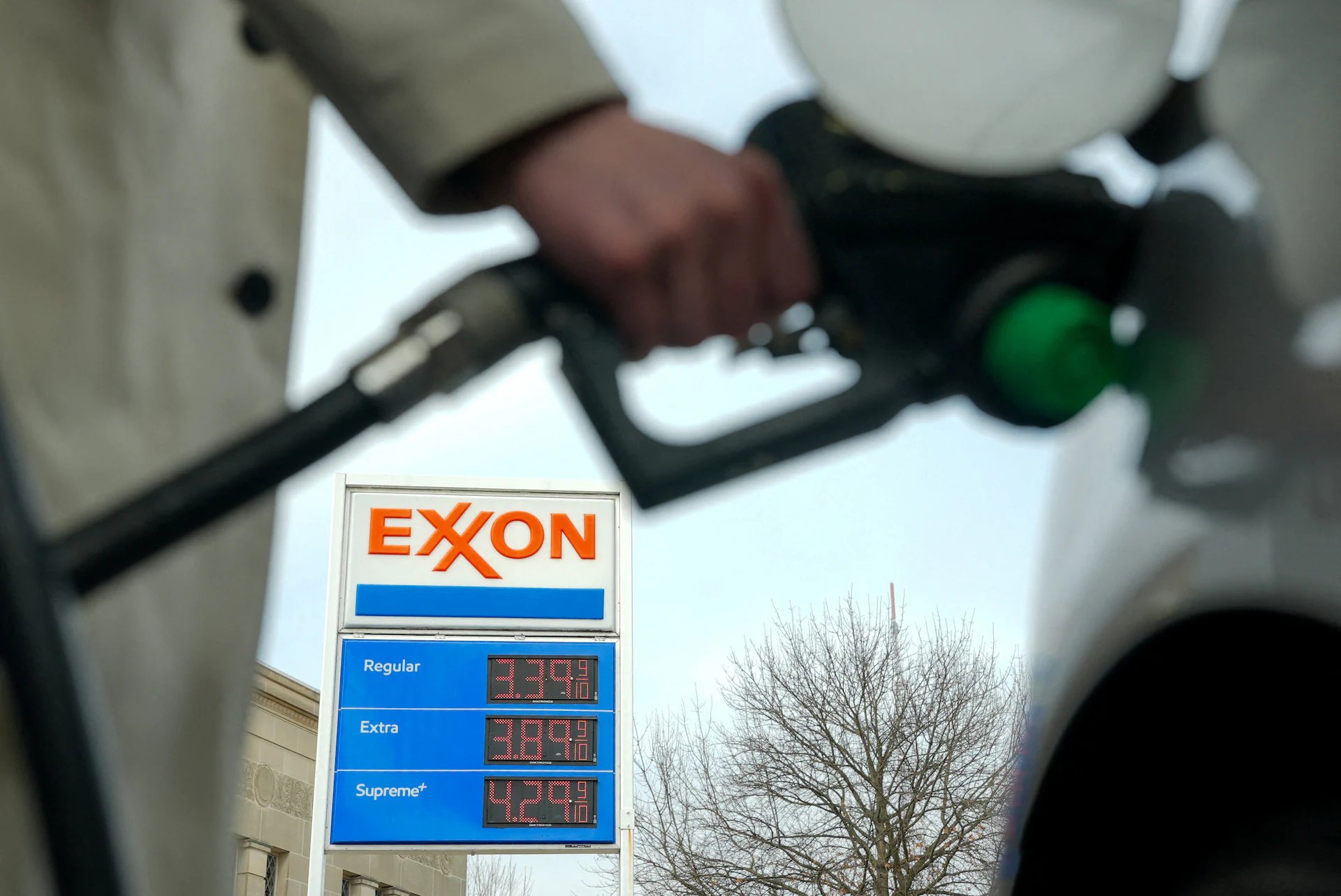
Gasoline prices have surged past $4 per gallon nationwide as attacks on Middle Eastern energy facilities drive one of the sharpest price spikes in recent history. The average price has jumped more than 25% since Israel and Iran began targeting each other's gas infrastructure, with some analysts warning prices could reach $5 or $6 per gallon if the conflict continues.
The price surge follows a dramatic escalation in which Israel struck Iran's South Pars gas field - the world's largest natural gas reservoir - and Iran retaliated by hitting energy facilities across the Gulf region, including Qatar's massive Ras Laffan liquefied natural gas terminal.
Israeli fighter jets targeted Iran's South Pars gas field on Wednesday, marking the first time Israel has struck Iranian natural gas facilities. The attack hit processing facilities in phases 3, 4, 5 and 6 of the field, causing fires that emergency teams struggled to contain.
Two senior Israeli officials confirmed the strike was coordinated with and approved by the White House, though President Trump later claimed on Truth Social that the United States "knew nothing about this particular attack." Israeli officials said the goal was to signal that continued disruption of oil supplies through the Strait of Hormuz would result in escalation against Iranian energy infrastructure.
Iran responded within hours by launching missiles at Qatar's Ras Laffan Industrial City, one of the world's largest liquefied natural gas export terminals. QatarEnergy reported "extensive damage" to the Pearl Gas-to-Liquids facility and "sizeable fires" at multiple LNG facilities.
The attack shut down a facility that normally supplies about 20% of the world's liquefied natural gas consumption. Qatar's Foreign Ministry condemned what it called a "dangerous escalation and a flagrant violation of the state's sovereignty."
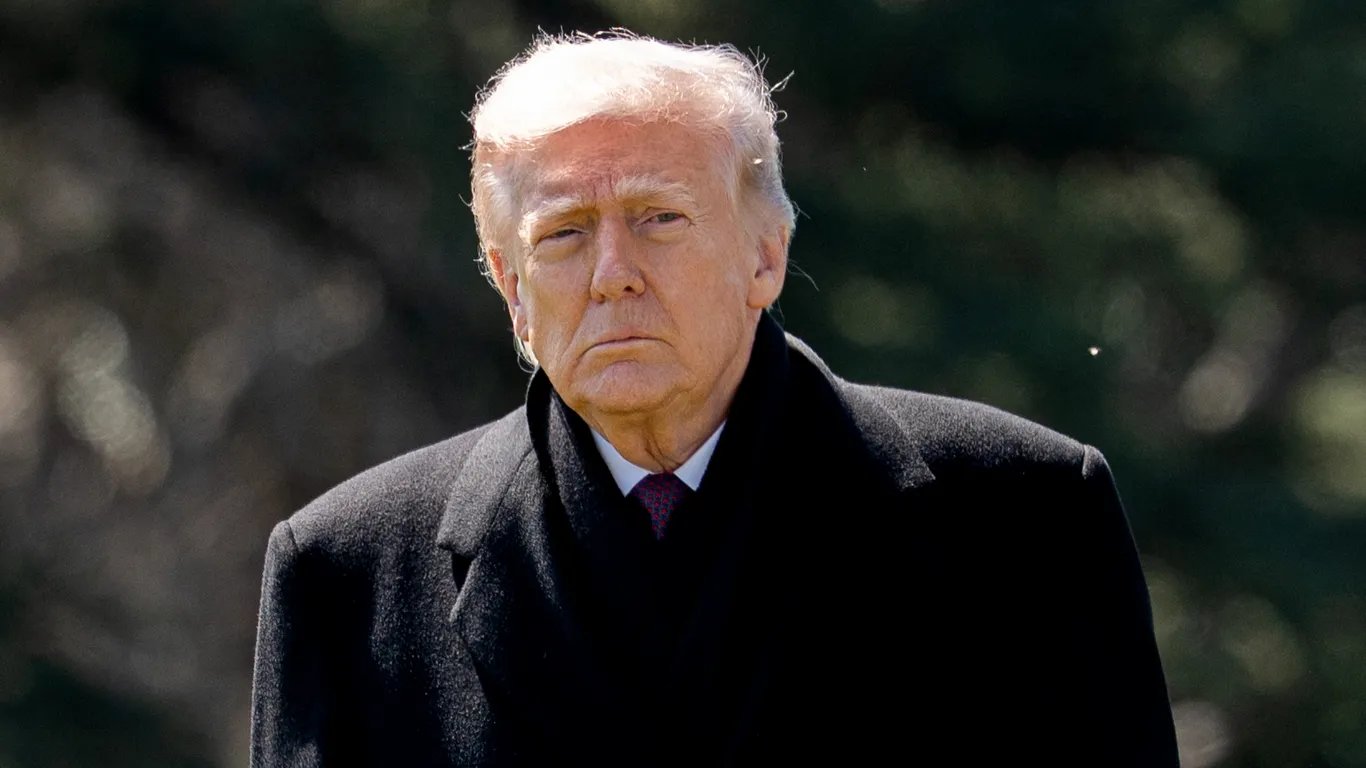
President Trump declared that Israel would not conduct further attacks on South Pars unless Iran continues targeting Qatar's energy infrastructure. "If Qatar's LNG is again attacked, I will not hesitate to massively blow up the entirety of the South Pars Gas Field," Trump posted on Truth Social.
The president's threat came after he initially distanced the U.S. from Israel's strike, claiming Israel acted out of anger and that Qatar was unaware of the attack.
Brent crude oil prices jumped 8% to $116 per barrel, while European natural gas prices surged 24% higher. Oil prices have now soared 60% since U.S. and Israeli attacks on Iran began on February 28.
Iran has attacked commercial vessels for three weeks straight, paralyzing marine traffic through the vital waterway.
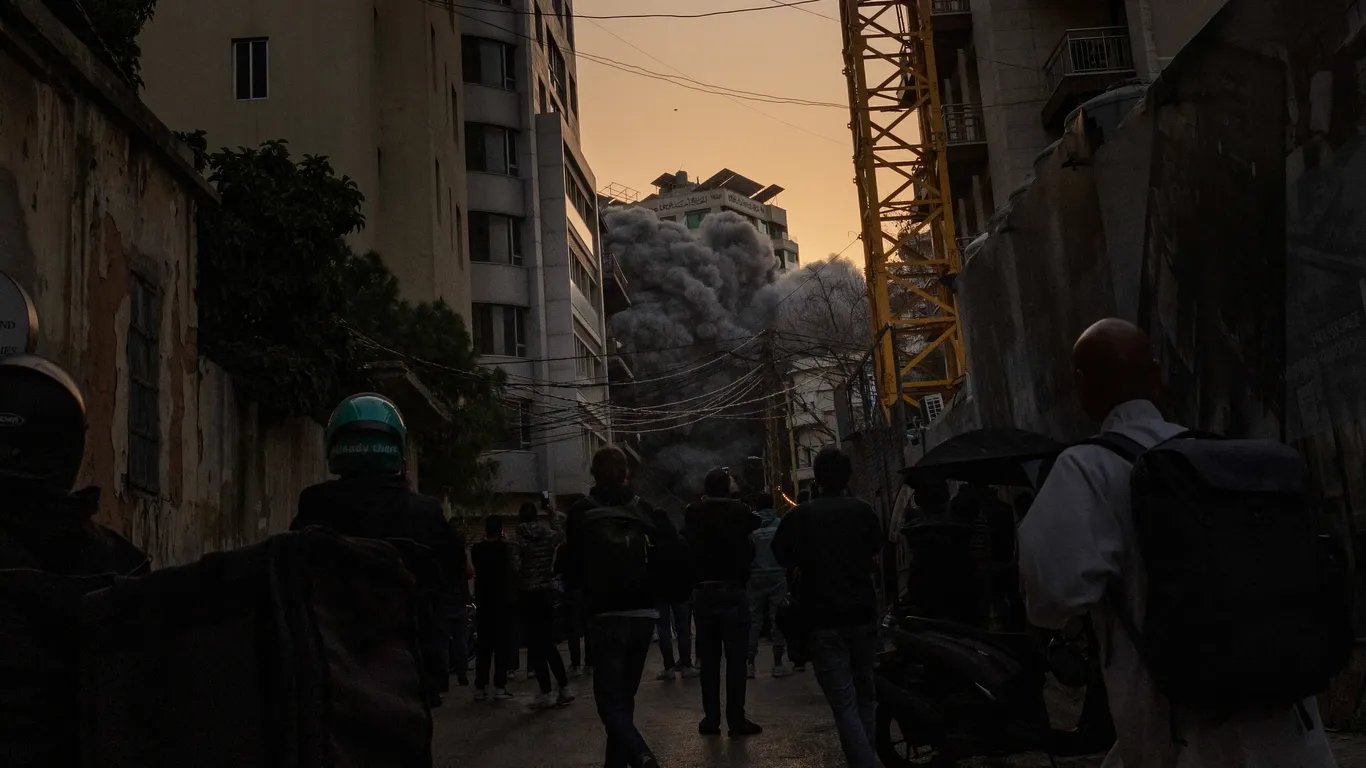
Beyond Qatar, Iran targeted energy facilities in Saudi Arabia, Kuwait and the United Arab Emirates. Saudi Arabia's SAMREF refinery in Yanbu was hit by a drone, while Kuwait's Mina Al-Ahmadi and Mina Abdullah refineries were set ablaze by attacks.
The UAE said its air defenses intercepted 13 ballistic missiles and 27 drones launched from Iran. Since the war began, the UAE has intercepted 1,699 drones, 327 ballistic missiles and 15 cruise missiles, according to its defense ministry.
Asian countries face particular vulnerability, as China is the largest buyer of Iranian oil. The attacks threaten to drive oil prices above $150 per barrel, which would have cascading effects on everything from fertilizer costs to food prices globally.
Iran's judiciary chief Gholam Hossein Mohseni Ejei claimed the country "remains stable" despite the loss of senior officials, while Israel's defense minister vowed to continue assassinating Iranian leaders.
The closure of the Strait of Hormuz has forced the U.S. to consider military options to reopen the waterway, though allies have been reluctant to join escort operations. A small U.K. military planning team is working with U.S. Central Command on options to restore shipping through the strait, but no concrete plan has emerged.
Gasoline prices have surged past $4 per gallon nationwide as attacks on Middle Eastern energy facilities drive one of the sharpest price spikes in recent history. The average price has jumped more than 25% since Israel and Iran began targeting each other's gas infrastructure, with some analysts warning prices could reach $5 or $6 per gallon if the conflict continues.
The price surge follows a dramatic escalation in which Israel struck Iran's South Pars gas field - the world's largest natural gas reservoir - and Iran retaliated by hitting energy facilities across the Gulf region, including Qatar's massive Ras Laffan liquefied natural gas terminal.
Israeli fighter jets targeted Iran's South Pars gas field on Wednesday, marking the first time Israel has struck Iranian natural gas facilities. The attack hit processing facilities in phases 3, 4, 5 and 6 of the field, causing fires that emergency teams struggled to contain.
Two senior Israeli officials confirmed the strike was coordinated with and approved by the White House, though President Trump later claimed on Truth Social that the United States "knew nothing about this particular attack." Israeli officials said the goal was to signal that continued disruption of oil supplies through the Strait of Hormuz would result in escalation against Iranian energy infrastructure.
Iran responded within hours by launching missiles at Qatar's Ras Laffan Industrial City, one of the world's largest liquefied natural gas export terminals. QatarEnergy reported "extensive damage" to the Pearl Gas-to-Liquids facility and "sizeable fires" at multiple LNG facilities.
The attack shut down a facility that normally supplies about 20% of the world's liquefied natural gas consumption. Qatar's Foreign Ministry condemned what it called a "dangerous escalation and a flagrant violation of the state's sovereignty."
President Trump declared that Israel would not conduct further attacks on South Pars unless Iran continues targeting Qatar's energy infrastructure. "If Qatar's LNG is again attacked, I will not hesitate to massively blow up the entirety of the South Pars Gas Field," Trump posted on Truth Social.
The president's threat came after he initially distanced the U.S. from Israel's strike, claiming Israel acted out of anger and that Qatar was unaware of the attack. However, multiple Israeli and U.S. officials confirmed the strike was coordinated between Prime Minister Benjamin Netanyahu and the White House.
Brent crude oil prices jumped 8% to $116 per barrel, while European natural gas prices surged 24% higher. Oil prices have now soared 60% since U.S. and Israeli attacks on Iran began on February 28.
The Strait of Hormuz, through which about 20% of global oil consumption normally flows, remains essentially closed to international shipping. Iran has attacked commercial vessels for three weeks straight, paralyzing marine traffic through the vital waterway.
Beyond Qatar, Iran targeted energy facilities in Saudi Arabia, Kuwait and the United Arab Emirates. Saudi Arabia's SAMREF refinery in Yanbu was hit by a drone, while Kuwait's Mina Al-Ahmadi and Mina Abdullah refineries were set ablaze by attacks.
The UAE said its air defenses intercepted 13 ballistic missiles and 27 drones launched from Iran. Since the war began, the UAE has intercepted 1,699 drones, 327 ballistic missiles and 15 cruise missiles, according to its defense ministry.
Goldman Sachs projects that if the war continues five to six more weeks, Qatar and other Gulf Cooperation Council countries could see their GDP contract by 14%. The economic impact could rival the global economic disruption during the COVID-19 pandemic, according to analysts.
Asian countries face particular vulnerability, as China is the largest buyer of Iranian oil. The attacks threaten to drive oil prices above $150 per barrel, which would have cascading effects on everything from fertilizer costs to food prices globally.
While Trump has pressed for de-escalation of attacks on energy facilities, the cycle of retaliation shows no signs of abating. Iran's judiciary chief Gholam Hossein Mohseni Ejei claimed the country "remains stable" despite the loss of senior officials, while Israel's defense minister vowed to continue assassinating Iranian leaders.
The closure of the Strait of Hormuz has forced the U.S. to consider military options to reopen the waterway, though allies have been reluctant to join escort operations. A small U.K. military planning team is working with U.S. Central Command on options to restore shipping through the strait, but no concrete plan has emerged.
Highlighted text was flagged by the council. Tap to see feedback.







The sources also report that Israeli officials said the strike was coordinated with and approved by the White House, contradicting Trump's claim that the U.S. knew nothing about the attack.