



Security Zone Up to Litani River
Israel will occupy southern Lebanon up to the Litani River, an area Defence Minister Israel Katz described on Tuesday as a "security zone." This territory amounts to nearly a tenth of the country. Katz said Israeli forces would "control the remaining bridges and the security zone up to the Litani," a river that meets the Mediterranean about 30km north of Israel's border.
Displaced Residents Barred From Returning
Thousands of displaced Lebanese residents will not be allowed to return home until northern Israel is safe, according to Katz. He said that the many thousands of Lebanese people in the south who have been displaced "will not return south of the Litani River until security is guaranteed for the residents of the north" of Israel. More than a million people have been driven from their homes in Lebanon.
Bridges Destroyed, Hezbollah Vows to Fight
Five bridges on the Litani River have been blown up by Israel, according to Katz. He said the bridges were "used by Hezbollah for the passage of terrorists and weapons." Hezbollah said it would fight to prevent Israeli troops from occupying the south, calling such a move an "existential threat" to the Lebanese state. Senior Hezbollah lawmaker Hassan Fadlallah said any Israeli occupation south of the Litani would be met with resistance, stating, "We have no choice but to confront this aggression and cling to the land."
International Condemnation
Canada "strongly condemns" Israel's plans to occupy southern Lebanon and warned that Lebanese sovereignty and territorial integrity "must not be violated." France's Minister for Foreign Affairs Jean-Noel Barrot said Israel should refrain from its planned occupation of southern Lebanon, warning that such a move would have a dire effect on civilians. Spain's Prime Minister Pedro Sanchez said Israel "seeks to inflict the same level of damage and destruction" on Lebanon as on the Gaza Strip.
Echoes of Past Occupation
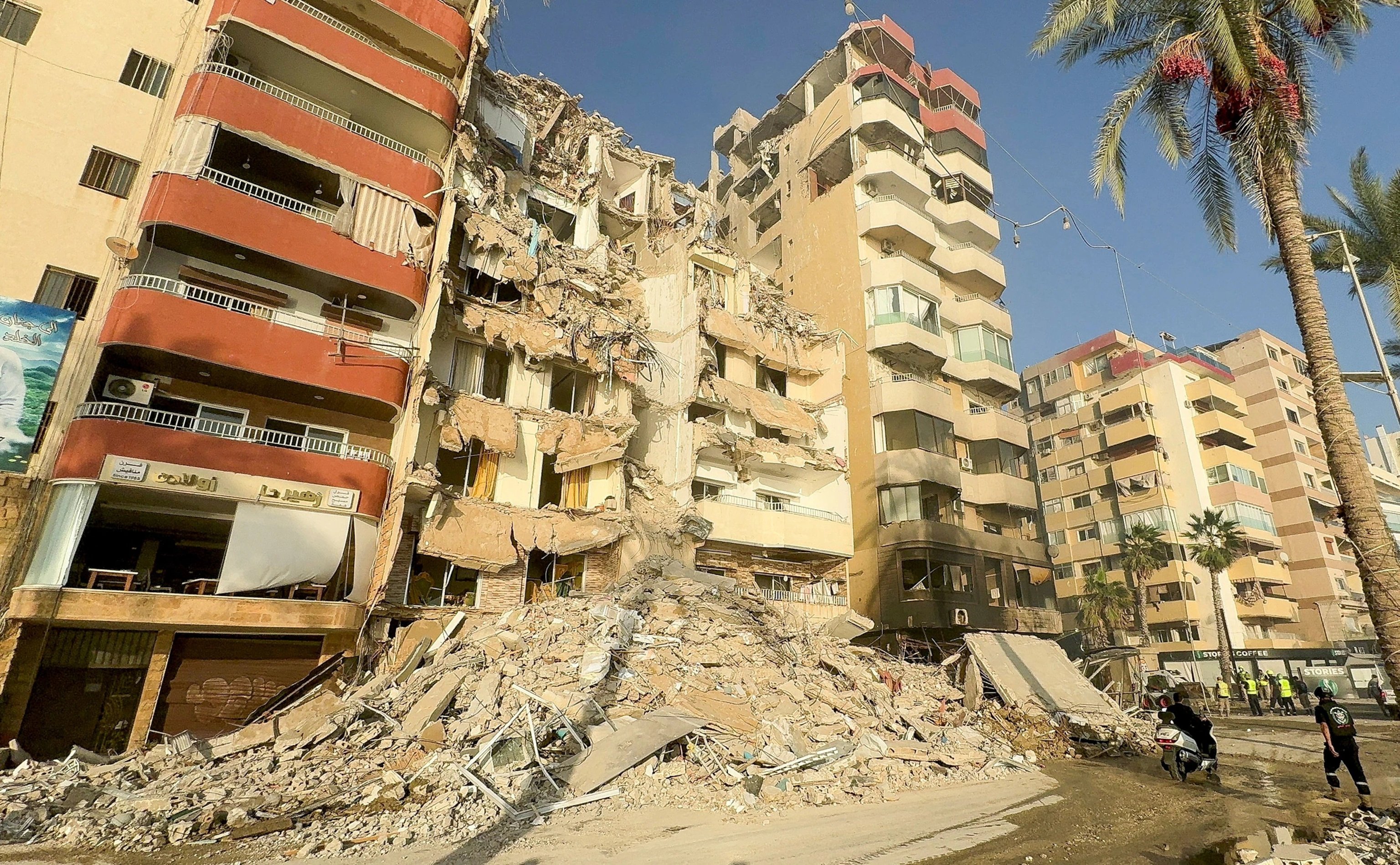
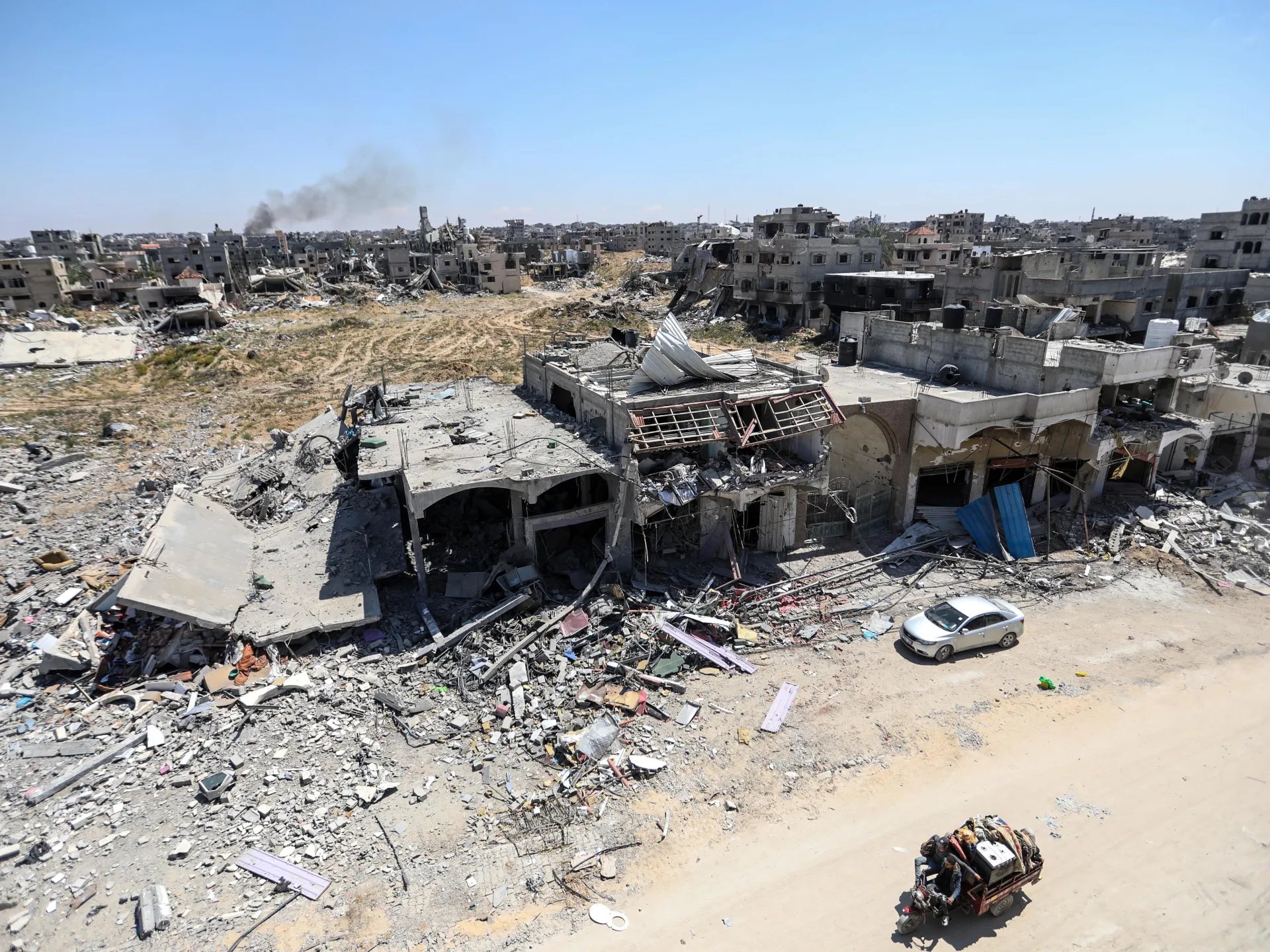
Lebanon's President Joseph Aoun has described the Israeli plans as a "collective punishment against civilians." The creation of a "defensive buffer" raises echoes of the buffer zone that Israel set up in southern Lebanon in 1985 and maintained up until 2000. Katz said that Israel's military was "following the model of Rafah and Beit Hanoon" in Lebanon, two cities that were razed to the ground amid the war on the Palestinian enclave.
Rising Death Toll
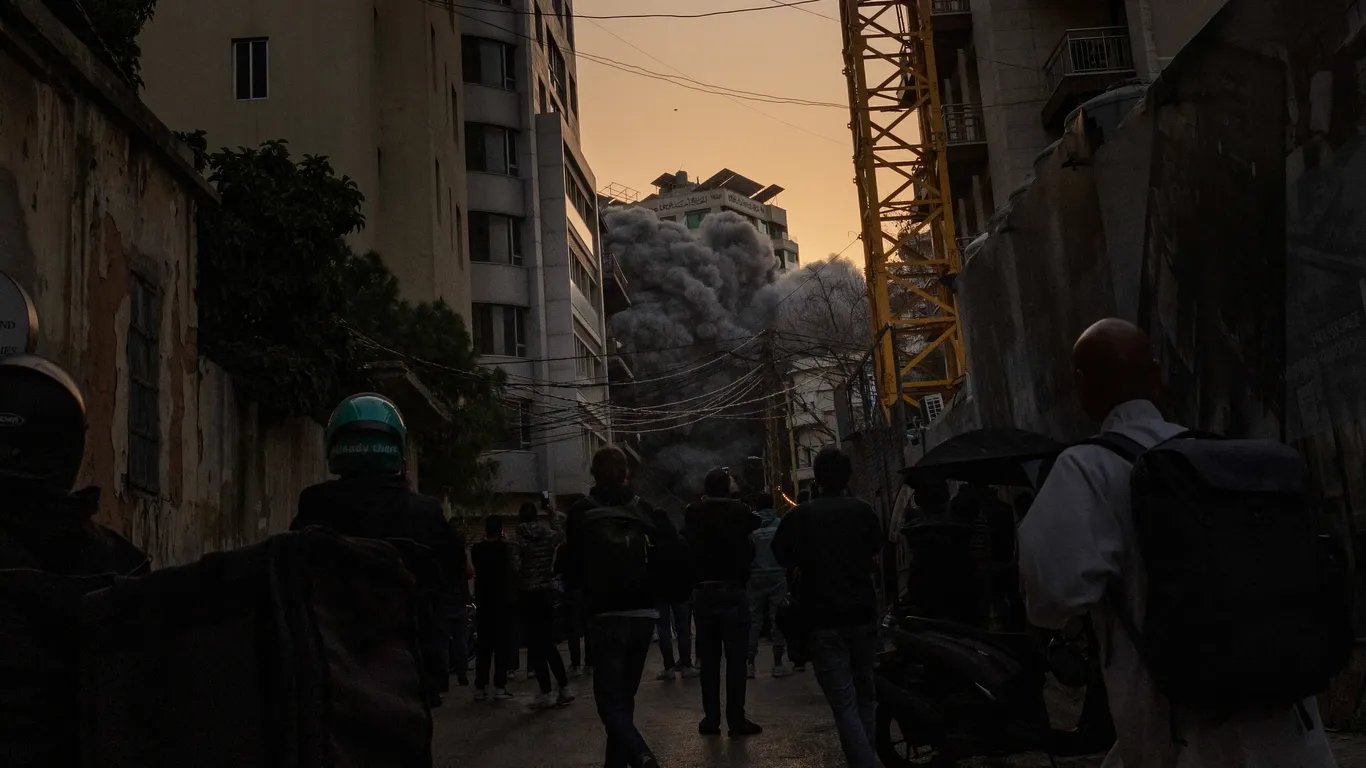
The death toll in Lebanon from Israeli attacks has risen to at least 1,072 people, with almost 3,000 wounded, since the start of this month. Nine people were killed in Israel's most recent attacks on Lebanon. Four people were killed in an "Israeli enemy raid" on the southern town of Adloun, and another two were killed in a strike on an apartment in the Mieh Mieh refugee camp, with four others wounded. An earlier Israeli raid on the town of Habboush killed at least three people and wounded 18 others.

The sources also report that among the 1,072 people killed in Lebanon, at least 121 were children and 42 were health workers.

The Lebanese health ministry reports that the 1,072 deaths in Lebanon include at least 121 children and 42 health workers.
The sources also report that the death toll in Lebanon includes at least 121 children and 42 health workers among the 1,072 people killed.