Lebanon's Health Ministry reports 83 children among 394 people killed in Israeli attacks during the past week. The ministry's count includes 42 women and nine rescue workers among the dead. The strikes began Monday after Hezbollah launched rockets and drones into Israel.
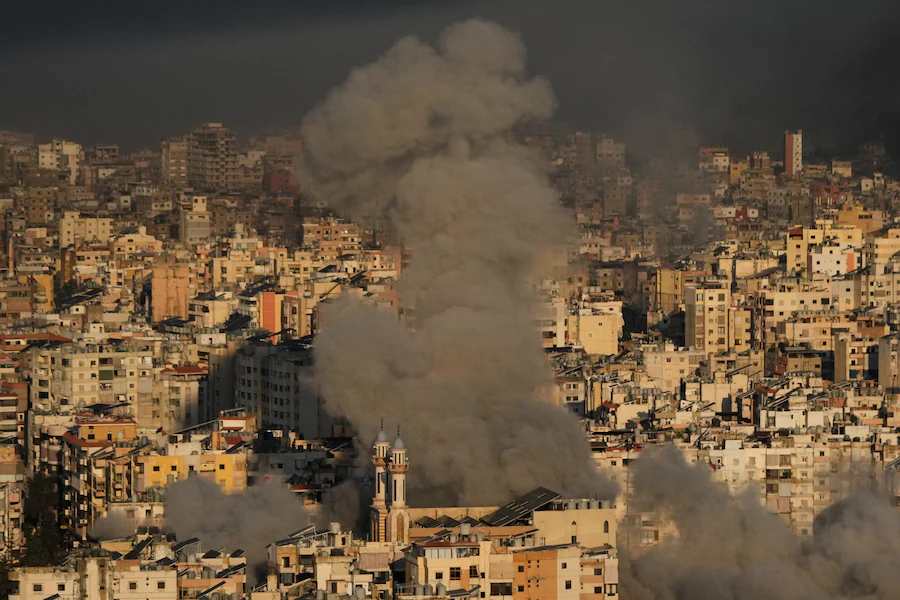
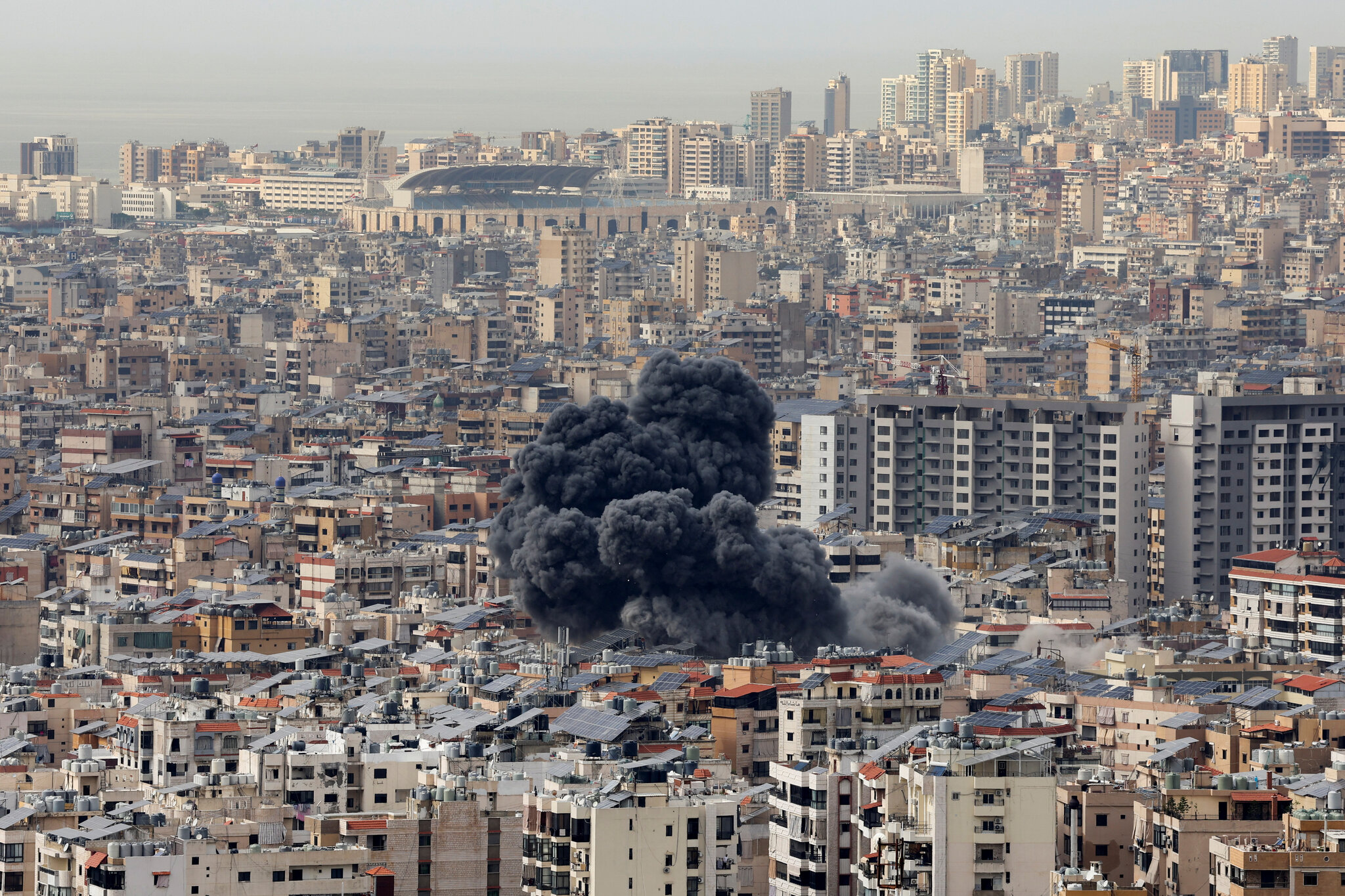
Israeli forces struck central Beirut early Sunday, hitting a hotel room in Raouche, a seafront neighborhood that had been spared during the last Israel-Hezbollah war. The drone strike killed at least four people and wounded 10, according to Lebanese health officials. Israel claims the attack killed five senior commanders of Iran's Quds Force, the overseas operations arm of the Islamic Revolutionary Guard Corps.
Lebanon's Social Affairs Minister Haneen Sayed announced that 517,000 people have registered as displaced on the ministry's website since fighting resumed. Of these, 117,228 are staying in government shelters. Schools, places of worship, and stadiums have been converted into emergency shelters, though officials say more facilities are needed to house the displaced.
Israeli tanks and armored bulldozers have massed at the border as ground forces push into southern Lebanon. The Israeli military confirmed its first fatalities since hostilities resumed, reporting that Master Sergeant Maher Khatar, 38, from Majdal Shams, and another soldier died during combat in southern Lebanon. In the Christian village of Marjayoun, residents have defied Israeli evacuation orders despite heavy strikes on Friday.
Hezbollah continues launching rockets and drones into northern Israel daily, targeting cities as far as Nahariya and Haifa. Israeli communities near the Lebanese border have only seconds to reach shelters when attacks come, prompting consideration of evacuating those northern communities. Israel claims to have killed about 200 Hezbollah fighters since fighting resumed, though the group has not published its own casualty figures.
Lebanese Prime Minister Nawaf Salam stated that Lebanon "has been drawn into a devastating war that we did not seek and did not choose."
Lebanon's Health Ministry reports 83 children among 394 people killed in Israeli attacks during the past week. The ministry's count includes 42 women and nine rescue workers among the dead. The strikes began Monday after Hezbollah launched rockets and drones into Israel following the killing of Iranian Supreme Leader Ali Khamenei in joint Israeli-United States air strikes last month.
Israeli forces struck central Beirut early Sunday, hitting a hotel room in Raouche, a seafront neighborhood that had been spared during the last Israel-Hezbollah war. The drone strike killed at least four people and wounded 10, according to Lebanese health officials. Israel claims the attack killed five senior commanders of Iran's Quds Force, the overseas operations arm of the Islamic Revolutionary Guard Corps.
Lebanon's Social Affairs Minister Haneen Sayed announced that 517,000 people have registered as displaced on the ministry's website since fighting resumed. Of these, 117,228 are staying in government shelters. Schools, places of worship, and stadiums have been converted into emergency shelters, though officials say more facilities are needed to house the displaced.
Israeli tanks and armored bulldozers have massed at the border as ground forces push into southern Lebanon. The Israeli military confirmed its first fatalities since hostilities resumed, reporting that Master Sergeant Maher Khatar, 38, from Majdal Shams, and another soldier died during combat in southern Lebanon. In the Christian village of Marjayoun, residents have defied Israeli evacuation orders despite heavy strikes on Friday.
Hezbollah continues launching rockets and drones into northern Israel daily, targeting cities as far as Nahariya and Haifa. Israeli communities near the Lebanese border have only seconds to reach shelters when attacks come, prompting consideration of evacuating those northern communities. Israel claims to have killed about 200 Hezbollah fighters since fighting resumed, though the group has not published its own casualty figures.
Lebanese Prime Minister Nawaf Salam stated that Lebanon "has been drawn into a devastating war that we did not seek and did not choose." He warned that the scale of displacement could produce humanitarian and political consequences that officials describe as unprecedented in the country's recent history.
Highlighted text was flagged by the council. Tap to see feedback.