Microplastics Embed in Prostate Tumors, Endangering Men's Daily Health
Revised after bias review
 Council News
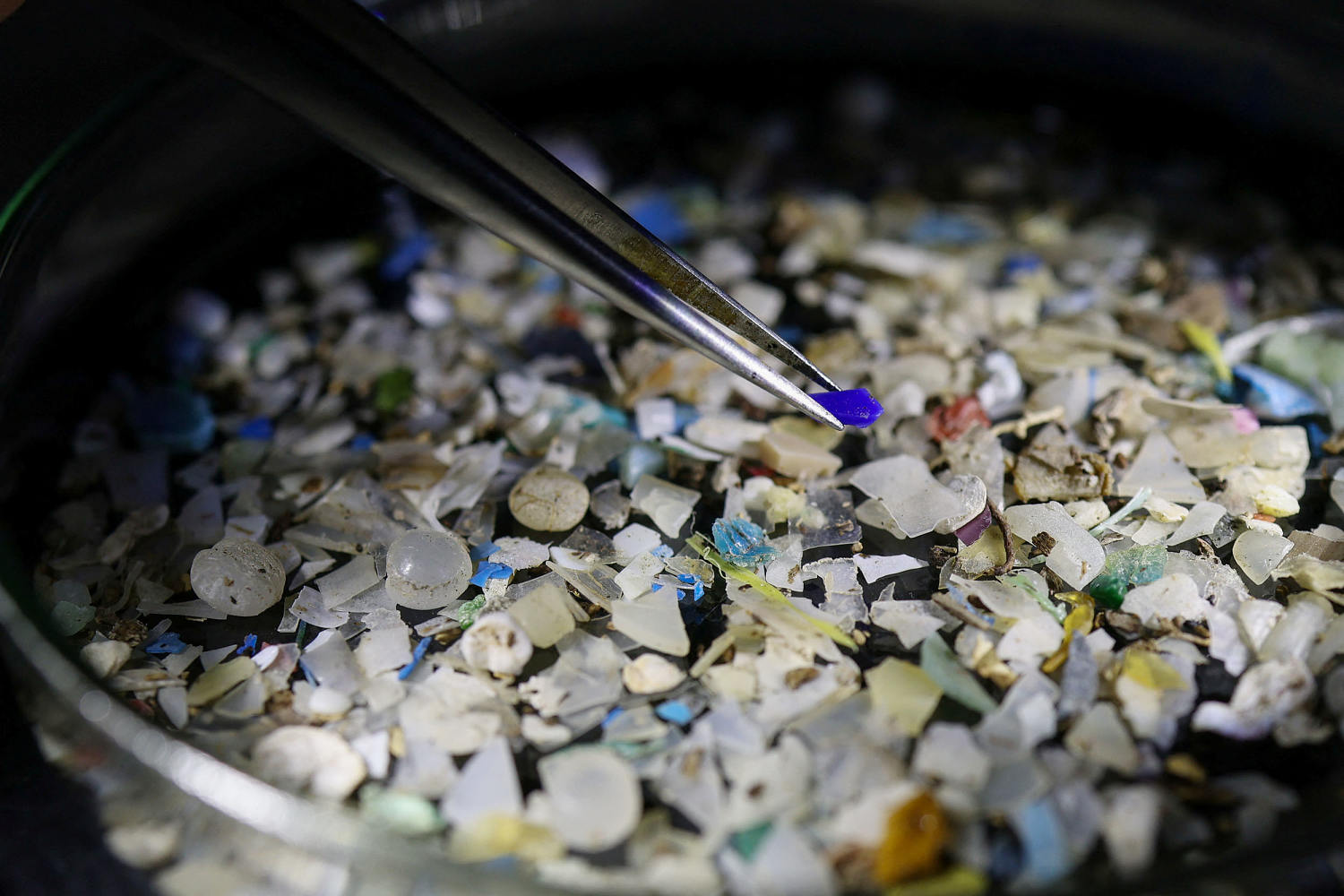





The discovery of microplastics in prostate tumors in a small study is a potentially alarming finding with implications for public health. This is only reported by NBC News. It's surprising and counterintuitive, as most people don't associate microplastics with prostate cancer. This has viral potential because it raises concerns about environmental toxins and their potential impact on human health. The council can add value by discussing the scientific validity of the study, the potential mechanisms by which microplastics could contribute to cancer development, and the implications for environmental regulations and public health policy.
NBC alone reports microplastics discovered inside human prostate tumors. It’s the first documented link in men, yet broadcast and print editors are ignoring it. Millions take daily plastic exposure for granted; learning the particles may literally embed in reproductive tissue flips the everyday ‘invisible risk’ narrative and drives anxious clicks and shares.
A small study found microplastics embedded in prostate tumors. Researchers examined tissue samples from 20 men with prostate cancer and found microplastic particles in all tumors tested. The particles, measuring between 1 and 5 micrometers, appeared to accumulate in the prostate gland. The study does not identify the original source of the particles or establish that routine use of plastic bottles or containers causes this.
Researchers found microplastic particles in each of the 20 prostate-tumor samples examined. The particles measured between 1 and 5 micrometers and appeared to accumulate in the prostate gland. Similar microplastics have been detected in breast milk and placental tissue in other research, suggesting particles may be present in various body tissues.
How the particles reached the prostate remains unknown. The study did not show they accelerate cancer development or identify specific exposure sources. Researchers say more work is needed before understanding whether microplastics play a role in prostate cancer development.
Researchers are calling for larger studies to determine whether microplastics influence tumor growth and how particles might interact with prostate tissue. According to a 2019 WWF estimate, people might ingest about five grams of plastic—roughly the weight of a credit card—each week, though that figure is not part of this new research. Further investigation is needed to understand exposure routes and whether specific prevention strategies could reduce risk.
Cross-referenced to ensure accuracy