





Strait of Hormuz Closure Impacts Shipping
Strikes in the Middle East intensified, with the Strait of Hormuz remaining closed to global oil transports. The largest Middle East aluminum producer sustained "significant damage" during an Iranian missile and drone attack on Saturday, disrupting vital industries.
Military Deployments and Standoff
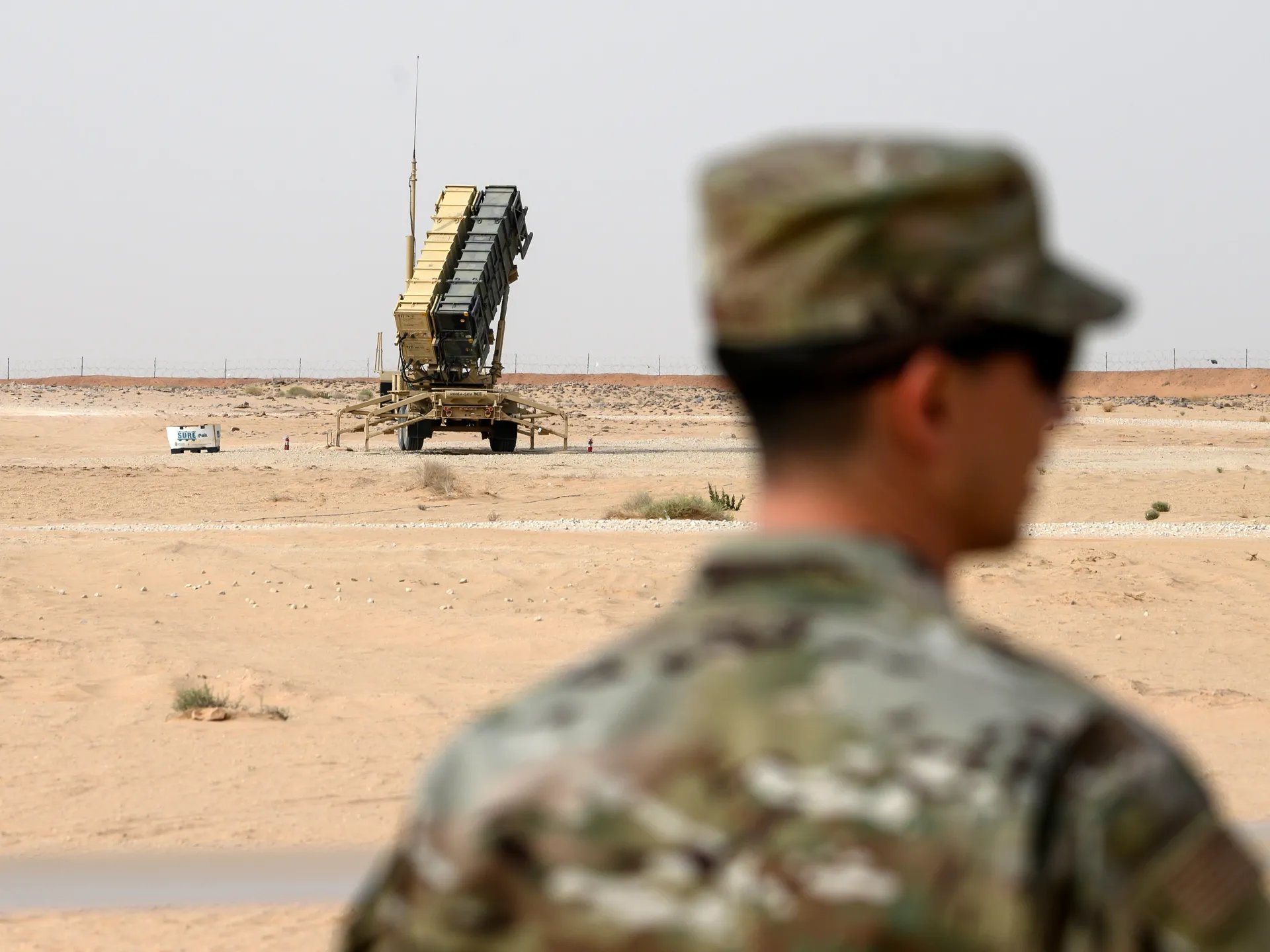
Thousands of U.S. Marines from the 31st and 11th expeditionary units have been deployed to the Middle East from Asia. An additional 2,000 paratroopers from the 82nd Airborne are being sent to the region, tasked with deploying worldwide within 18 hours of notification and executing parachute assaults. The paratroopers can execute parachute assaults, including against a "defended airfield" to prepare for further ground operations. The U.S. has already hit 90 targets on Kharg Island, according to Gen Dan Caine, chair of the joint chiefs of staff, last week.
Potential Ground War and Targets
Secretary of State Marco Rubio repeated on Friday that the U.S. believes it can achieve its goals without boots on the ground. If Marines are in position next week, President Trump could order an assault to provide leverage to reopen the Strait of Hormuz or to degrade Iran's ability to keep the waterway closed by force. Kharg Island, through which about 90% of Iran's crude oil exports flow, has been a major target.
Alternative Targets and Risks
Qeshm Island, the largest in the Persian Gulf, serves as a storage site for Iranian attack craft, drones, sea mines, and other materiel used to disrupt shipping. Another potential target is Larak, a hub for Iranian weapons used to maintain control over shipping in the Strait of Hormuz. The U.S. news website Axios reported that administration officials are considering attacks on Larak, as well as the contested island of Abu Musa. Max Boot, a foreign policy analyst, historian and columnist, told the Council on Foreign Relations thinktank that the Trump administration likely has huge concerns about U.S. casualties.
Political and Diplomatic Considerations
Secretary of State Marco Rubio on Friday warned European allies that Iran could set up a "tolling system" in the Strait of Hormuz after the U.S.-Israeli conflict with Iran ends. Rubio raised this possibility to reporters after he met with foreign ministers of the Group of Seven nations during his trip to Cernay-la-Ville, France. Trump has delayed his main threat, the destruction of Iran's power plants in what would be a brutal attack on Iran's critical infrastructure, until 6 April as negotiations continue.
Uranium Search and Broader Implications
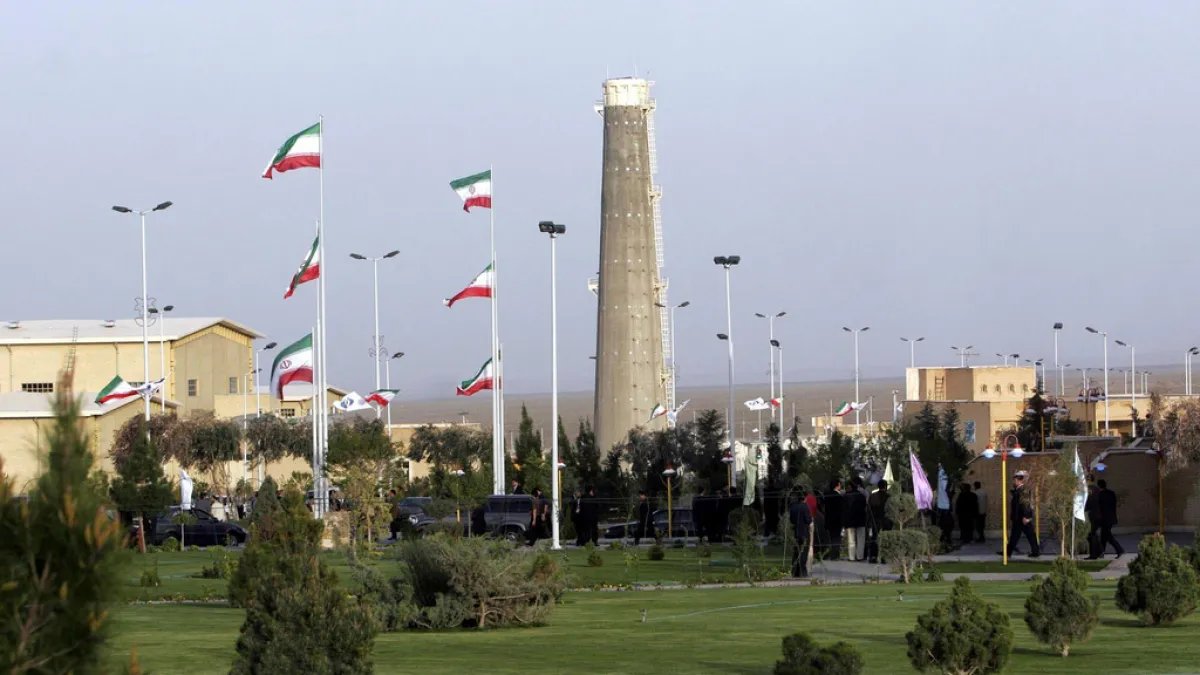
The U.S. is still searching for the 440kg of highly enriched uranium that disappeared after the U.S. strikes against Iran last June. Rubio has said of the uranium that "people are going to have to go and get it." Rubio claims that the Iran war could cause weapons earmarked for Ukraine to be diverted.
Calls for De-escalation
Leon Panetta, former U.S. Secretary of Defence, says that there is no clear end to the war in Iran. Panetta stated that history proves military action does not resolve root causes of conflict in the Middle East.
Kharg Island, a coral outcrop of less than 9 sq miles, is the site through which about 90% of Iran’s crude oil exports flow, making it a financial and logistical lifeline for Tehran.