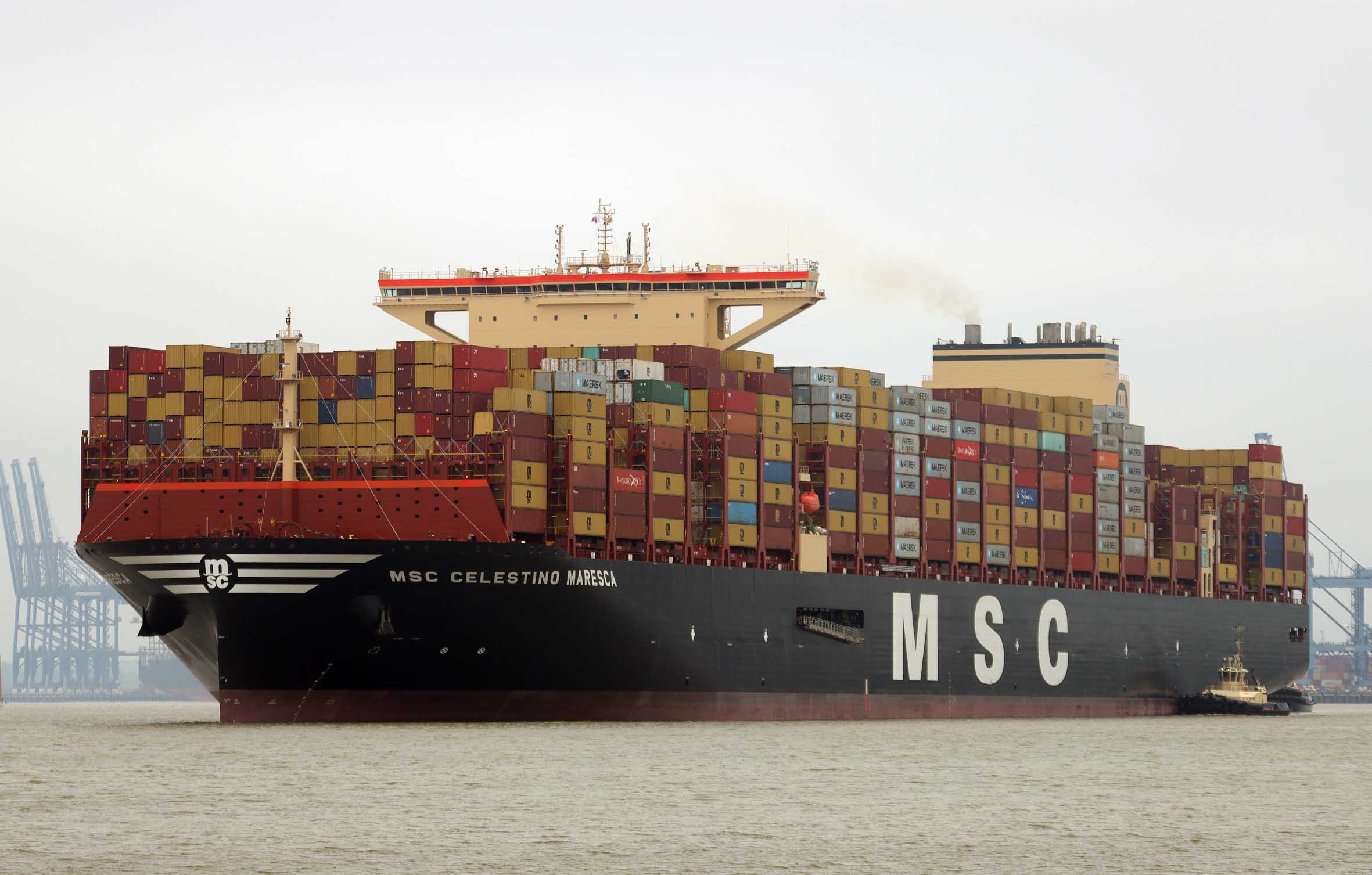
Mediterranean Shipping Company, the world's largest ocean carrier, told cargo owners Monday it will add an emergency bunker surcharge on every container loading from March 11. The Geneva-based line blamed a 17% jump in ship fuel prices since January that it attributes to Houthi attacks on Red Sea shipping lanes and rising Middle East tensions. The fee applies to every route except intra-Asia and will stay until further notice.
The memo, signed by MSC trade manager Giuseppe Gargiulo, warns that "significant increases in fuel costs have made it necessary to implement this surcharge with immediate effect." The company will review the charge weekly and adjust it to reflect actual fuel price movements.
Bunker fuel at Singapore, the global benchmark, climbed to $642 per metric ton on Friday, up from $548 on January 1, according to data from price publisher Ship & Bunker. The surge tracks Brent crude, which has risen above $85 a barrel as attacks on merchant vessels force carriers to sail an extra 3,000 nautical miles around the Cape of Good Hope. Longer voyages burn more fuel per box delivered, pushing carriers to recoup the extra cost.
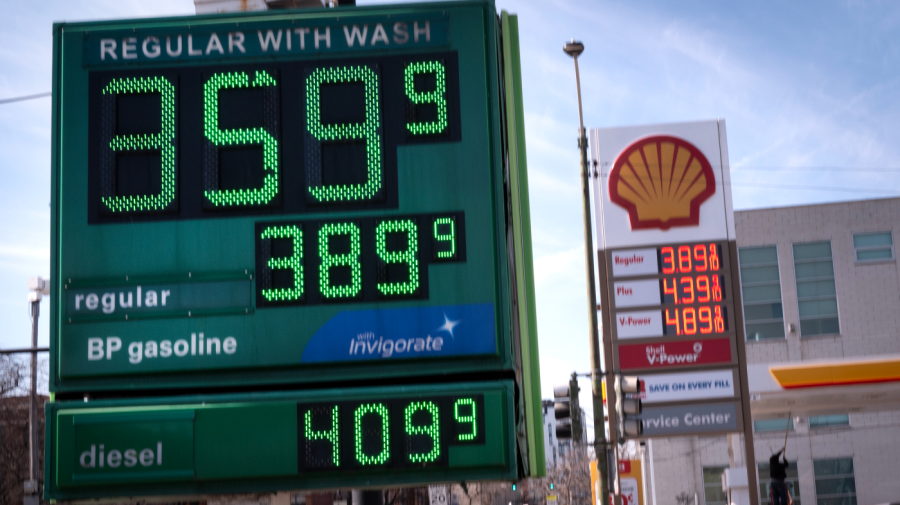
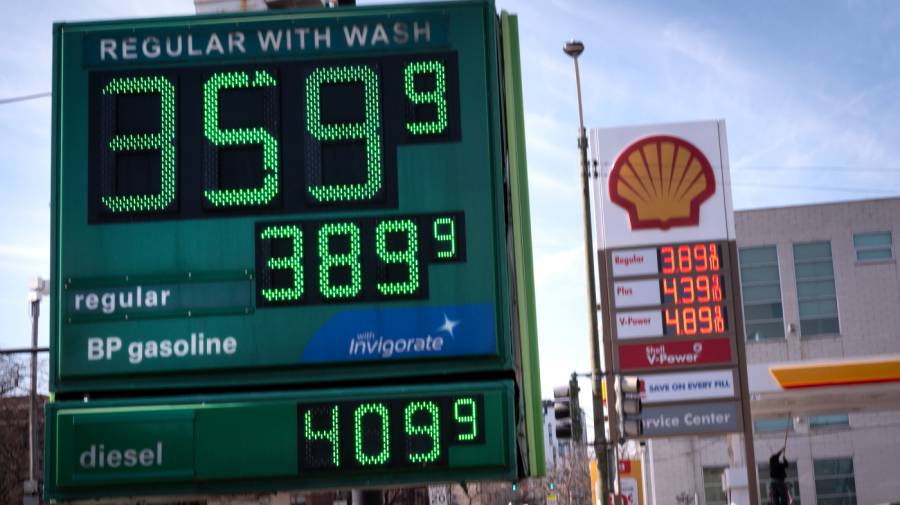
While shippers pass on higher marine fuel costs, Hungary's government will cap gasoline at 1.4 euros per liter and diesel at 1.5 euros, Prime Minister Viktor Orban announced Monday. The cap, effective Wednesday, replaces a previous limit that expired in February and will remain until May 31. Orban said the measure shields households from "speculative price hikes" linked to the same Middle East tensions that drove up ship fuel.
Importers using MSC will see the surcharge on freight invoices starting next week, raising landed costs for electronics, clothing, and furniture from Asia. A 40-foot container will carry an extra $280 in freight. Retailers with thin margins must either absorb the cost or raise shelf prices within weeks, according to supply-chain analysts who reviewed the MSC notice.
Industry tracker Xeneta said that CMA CGM and Hapag-Lloyd have already warned customers of "potential bunker adjustments," and the firm expects similar surcharges within days. Carriers collectively lost $15.9 billion in 2023 and are quick to convert fuel jumps into surcharges to avoid repeating last year's losses. Spot rates from Shanghai to Rotterdam have already risen 23% since early February, and the new fees could push them past $2,000 per box for the first time since October.
The line controls 18% of global capacity, so rejecting the surcharge is not practical for most shippers, logistics director Jon Monroe told clients in a briefing. If Red Sea detours continue and crude holds above $80, the temporary fee could become permanent, turning a lasting price reset for everyday goods.
Mediterranean Shipping Company, the world's largest ocean carrier, told cargo owners Monday it will add an emergency bunker surcharge on every container loading from March 11. The Geneva-based line blamed a 17% jump in ship fuel prices since January that it attributes to Houthi attacks on Red Sea shipping lanes and rising Middle East tensions. The fee applies to every route except intra-Asia and will stay until further notice.
A copy of the customer notice shows the new charge ranges from $140 per twenty-foot container to $280 per forty-foot box on east-west trades. The memo, signed by MSC trade manager Giuseppe Gargiulo, warns that “significant increases in fuel costs have made it necessary to implement this surcharge with immediate effect.” The company will review the charge weekly and adjust it to reflect actual fuel price movements.
Bunker fuel at Singapore, the global benchmark, climbed to $642 per metric ton on Friday, up from $548 on January 1, according to data from price publisher Ship & Bunker. The surge tracks Brent crude, which has risen above $85 a barrel as attacks on merchant vessels force carriers to sail an extra 3,000 nautical miles around the Cape of Good Hope. Longer voyages burn more fuel per box delivered, pushing carriers to recoup the extra cost.
While shippers pass on higher marine fuel costs, Hungary’s government will cap gasoline at 1.4 euros per liter and diesel at 1.5 euros, Prime Minister Viktor Orban announced Monday. The cap, effective Wednesday, replaces a previous limit that expired in February and will remain until May 31. Orban said the measure shields households from “speculative price hikes” linked to the same Middle East tensions that drove up ship fuel.
Importers using MSC will see the surcharge on freight invoices starting next week, raising landed costs for electronics, clothing, and furniture from Asia. A 40-foot container holding roughly 5,000 pairs of sneakers will carry an extra $280 in freight, adding about six cents to each pair. Retailers with thin margins must either absorb the cost or raise shelf prices within weeks, according to supply-chain analysts who reviewed the MSC notice.
Industry tracker Xeneta said Monday that CMA CGM and Hapag-Lloyd have already warned customers of “potential bunker adjustments,” and the firm expects similar surcharges within days. Carriers collectively lost $15.9 billion in 2023 and are quick to convert fuel jumps into surcharges to avoid repeating last year’s losses. Spot rates from Shanghai to Rotterdam have already risen 23% since early February, and the new fees could push them past $2,000 per box for the first time since October.
MSC customers must decide by Friday whether to load cargo under the new terms or delay shipments and risk missing spring retail restocking. The line controls 18% of global capacity, so rejecting the surcharge is not practical for most shippers, logistics director Jon Monroe told clients in a Monday briefing. If Red Sea detours continue and crude holds above $80, the temporary fee could become permanent, turning a six-cent rise in sneakers into a lasting price reset for everyday goods.
Highlighted text was flagged by the council. Tap to see feedback.