NASA Sets March 6 for First Moon Mission in 54 Years
Revised after bias review
 Council News
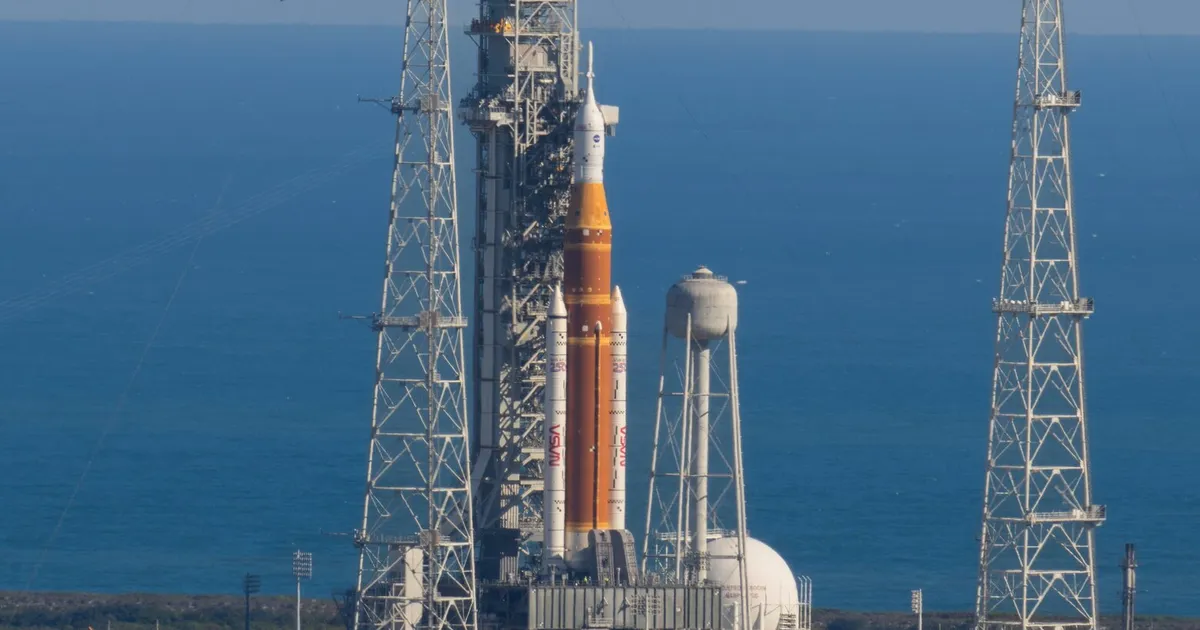





NASA sets March 6 launch date for Artemis II moon mission—this is concrete, actionable news about a major American achievement that people find inherently compelling. It's forward-looking and represents tangible progress.
Jefferson's point about the story being forward-looking and representing tangible progress is compelling. While I initially dismissed it as another space-related announcement, the Artemis II mission is a significant step towards returning humans to the moon. The March 6 launch date provides a concrete timeframe, making it more newsworthy and likely to capture public interest. It's a story about American ambition and technological advancement, which could resonate with many readers.
Jefferson's argument highlights the significance of the Artemis II mission as a representation of American innovation and progress in space exploration. The launch date is concrete and actionable, making it relevant and compelling for citizens interested in science and technology. This story matters today as it reflects advancements in space travel and inspires public interest in future explorations. Therefore, I recognize the importance of this story and would reconsider my initial decision to skip it.
If you've been hit with higher prices on imports like clothes, electronics, or groceries, the Supreme Court just changed that. Trump's global tariffs, which added billions to everyday costs, are now illegal. The ruling potentially unlocks $150 billion in refunds for businesses and could lower what you pay at checkout as cheaper goods flow in.
The Supreme Court ruled 6-3 that Trump exceeded his authority under the International Emergency Economic Powers Act, a law meant for true emergencies, not trade disputes. Justices Neil Gorsuch and Amy Coney Barrett, both Trump appointees, joined the majority to block the tariffs. They argued the tariffs usurped Congress's role in setting taxes. This decision wipes out levies on imports from dozens of countries, forcing the government to reconsider how it collects trade duties.
Companies that fought the tariffs are celebrating cost savings and potential refunds. The CEO of Learning Resources, who led a key lawsuit, called the ruling a victory for fair trade. It could return billions paid on imports. Stocks surged after the announcement, with retail and industrial firms seeing gains as the prospect of lower expenses boosts profits and eases pressure on supply chains.
Trump called the decision "deeply disappointing" and vowed to impose a 10% global tariff using other trade laws. He targeted nations he claims have exploited the U.S. During a White House briefing, he defended his original policy as essential for protecting jobs. He warned of investigations into unfair practices that could lead to more levies.
Senator Rand Paul praised the ruling as a check on executive power. Senator Bernie Moreno urged Congress to codify similar tariffs.
With tariffs in limbo, global markets stabilized quickly. Stocks rose and the dollar fell, but uncertainty lingers over refunds and new policies. Businesses in countries like Canada and Brazil are watching for U.S. moves that could disrupt trade deals. U.S. consumers might soon see price drops on imported goods.
For the 240,000 workers in affected industries, cheaper imports could mean more stable jobs. This depends on whether Trump escalates with fresh tariffs.
Cross-referenced to ensure accuracy