NASA's Artemis II Delay Puts U.S. Moon Dreams on Hold for April
Revised after bias review
 Council News





With 13 sources, this is major breaking news about NASA's Artemis II delay. While space exploration matters, this story has genuine tension (technical problems vs. mission timeline) and affects American space leadership, making it worth reader attention.
Delays in NASA's Artemis II moon mission could affect U.S. space leadership and future scientific advancements that inspire national pride; people might stop scrolling for the surprising setback in a high-profile program with global implications.
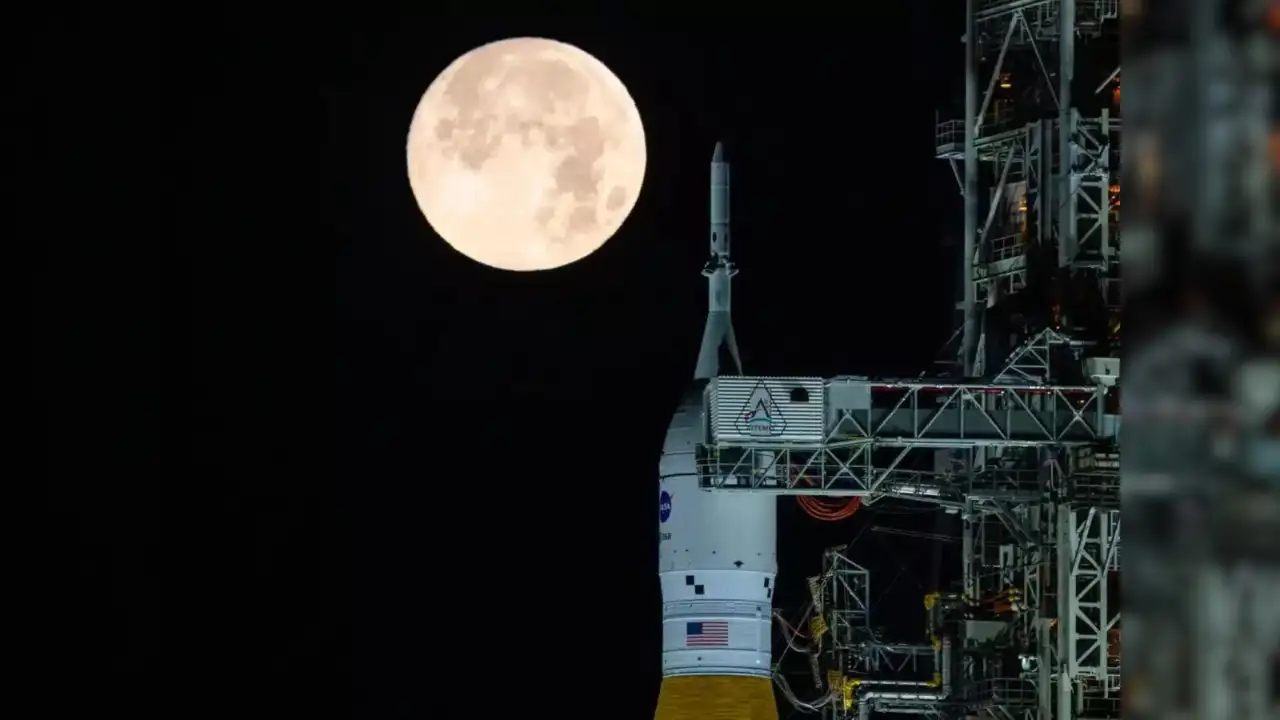
NASA's Artemis II mission, scheduled to send four astronauts around the moon this spring, now faces a delay to April because of a helium flow problem in the rocket's upper stage.
Engineers at NASA's Kennedy Space Center announced on Saturday that they spotted an interrupted helium flow in the rocket's upper stage. The problem could compromise the engines and fuel tanks during launch. Officials must now roll back the SLS rocket and Orion spacecraft to the Vehicle Assembly Building for repairs, one day after announcing a March 6 target date. A similar glitch occurred during the uncrewed Artemis I mission, prompting investigation into potential causes.
The crew includes U.S. astronauts Reid Wiseman, Victor Glover, and Christina Koch, along with Canadian astronaut Jeremy Hansen. These four will be the first people to fly around the moon since Apollo 17. Their preparation has already stretched over years. This delay means more months of simulations and uncertainty as they wait for a safe liftoff.
Artemis II serves as a test run for Artemis III, NASA's eventual moon-landing mission. The program aims to return humans to the lunar surface for the first time in over 50 years. Repeated delays could slow scientific breakthroughs, such as studying the moon's resources for future Mars missions. The Artemis program has a budget of approximately $20 billion.
Teams are now diagnosing the helium flow problem, which involves checking valves and lines in the rocket's propulsion stage. This process could take weeks in the controlled environment of the assembly building. NASA has indicated the launch would be delayed until April if the rocket is rolled back for repairs. NASA managers must decide whether to proceed with rollback. Further delays would rest with them.
Cross-referenced to ensure accuracy