




New Policy Enforced Ahead of Schedule
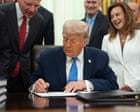
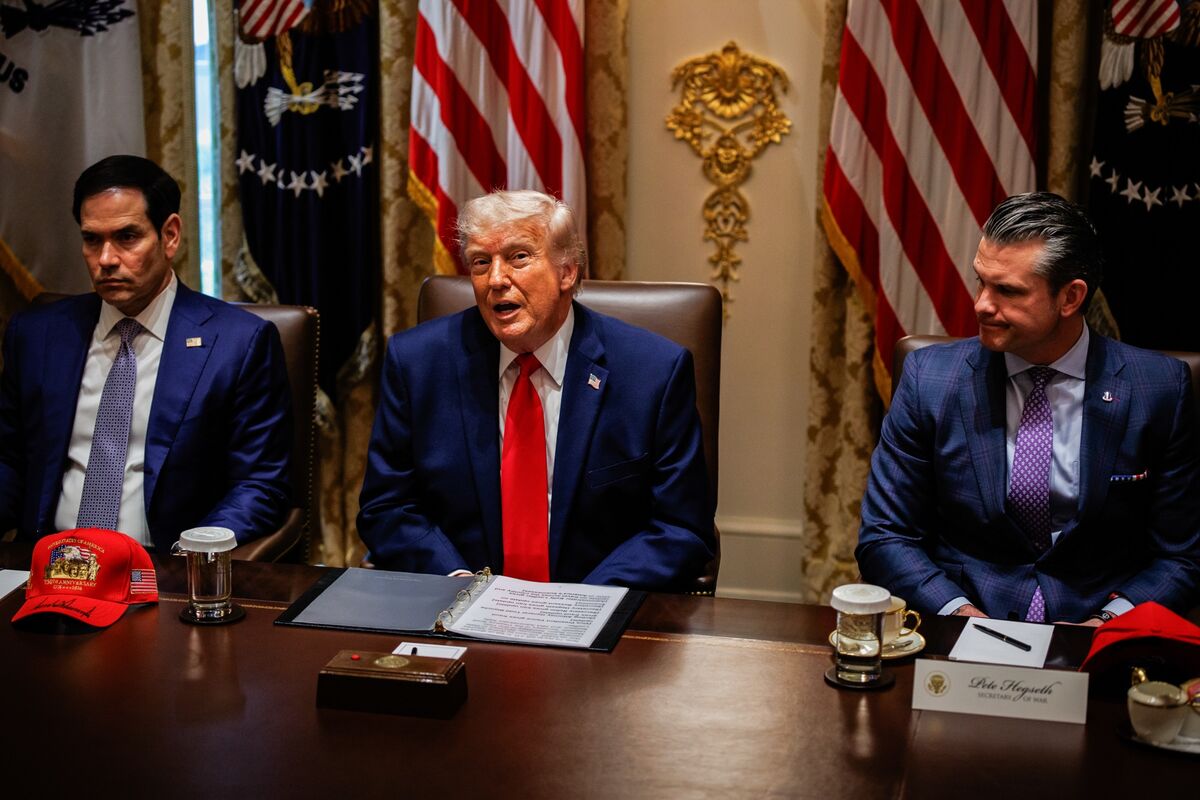
On May 1, Nebraska became the first state to enact Medicaid work requirements mandated by President Donald Trump's One Big Beautiful Bill Act. This legislation requires able-bodied Medicaid recipients aged 19 to 64 without dependents to work or participate in approved activities for at least 80 hours each month. Nebraska's implementation is notable as it arrives eight months ahead of the national deadline set for January 1, 2027.
Impact on Coverage
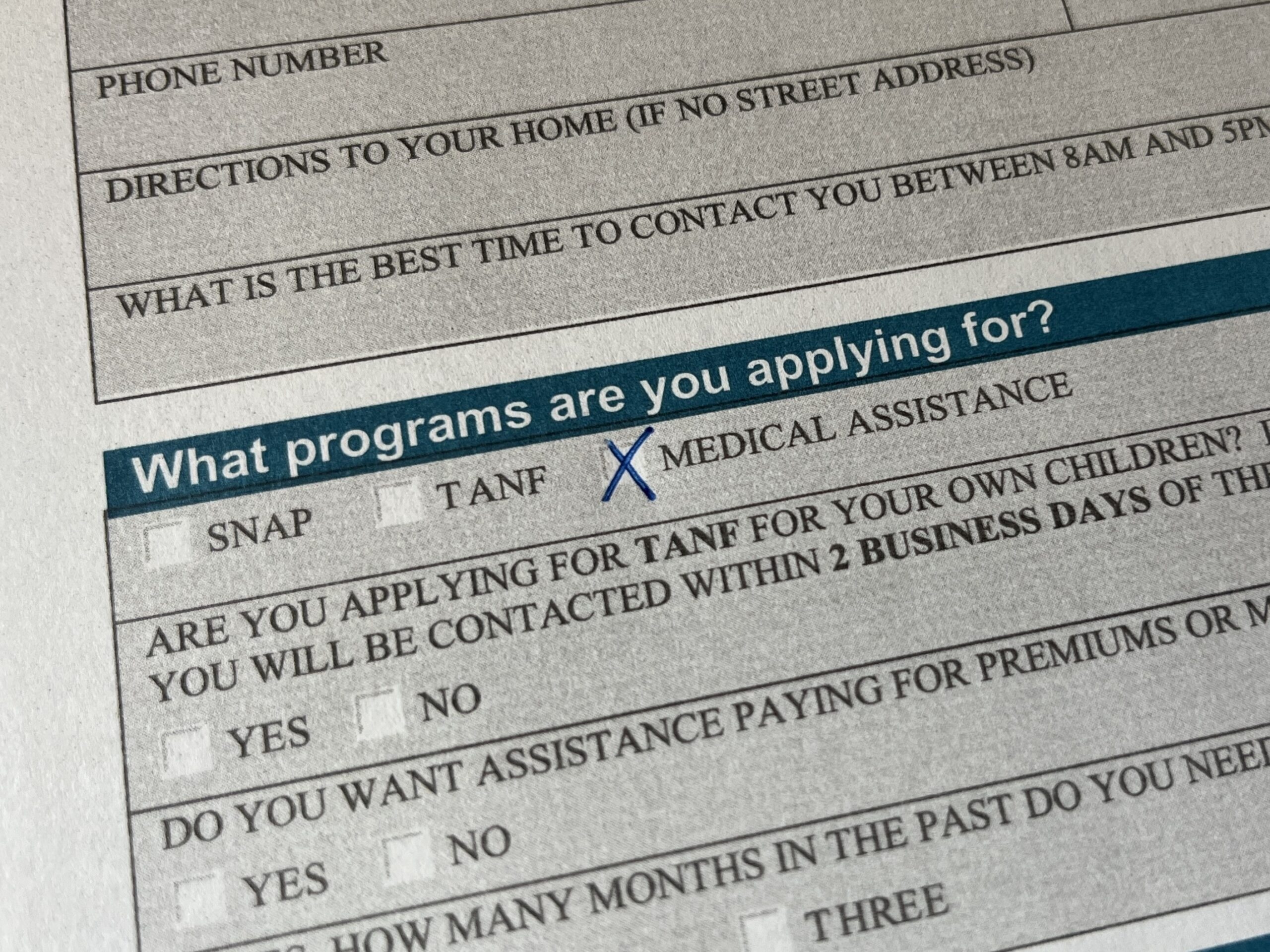
The new requirements could jeopardize health coverage for approximately 70,000 adults in Nebraska who rely on Medicaid. According to estimates from the Center on Budget and Policy Priorities, between 28,000 and 41,000 Nebraskans could lose their Medicaid coverage as a result of these changes. Health policy experts warn that the administrative burdens associated with proving compliance could lead to many eligible individuals being dropped from the program, exacerbating healthcare access issues for vulnerable populations.
Concerns Over Health Outcomes
Experts are raising alarms about the potential health consequences of these new requirements. Sara Rosenbaum, a professor emerita at George Washington University, emphasized that the loss of coverage could lead to untreated chronic conditions and a general deterioration of health among low-income individuals. “What will happen is people with serious conditions, and chronic health conditions especially, will go untreated and unmanaged,” she stated. The Congressional Budget Office predicts that these work requirements could lead to an increase of 4.8 million uninsured Americans nationwide by 2034.
Exemptions and Enforcement
While there are exemptions for certain groups, such as parents of children under 14 and individuals with disabilities, critics argue that not all serious health issues are recognized. For instance, conditions like Long Covid are not included in the exemption criteria. Nebraska's Department of Health and Human Services will review exemptions during eligibility checks every six months, creating further complexity for those trying to navigate the system.
Political Reactions
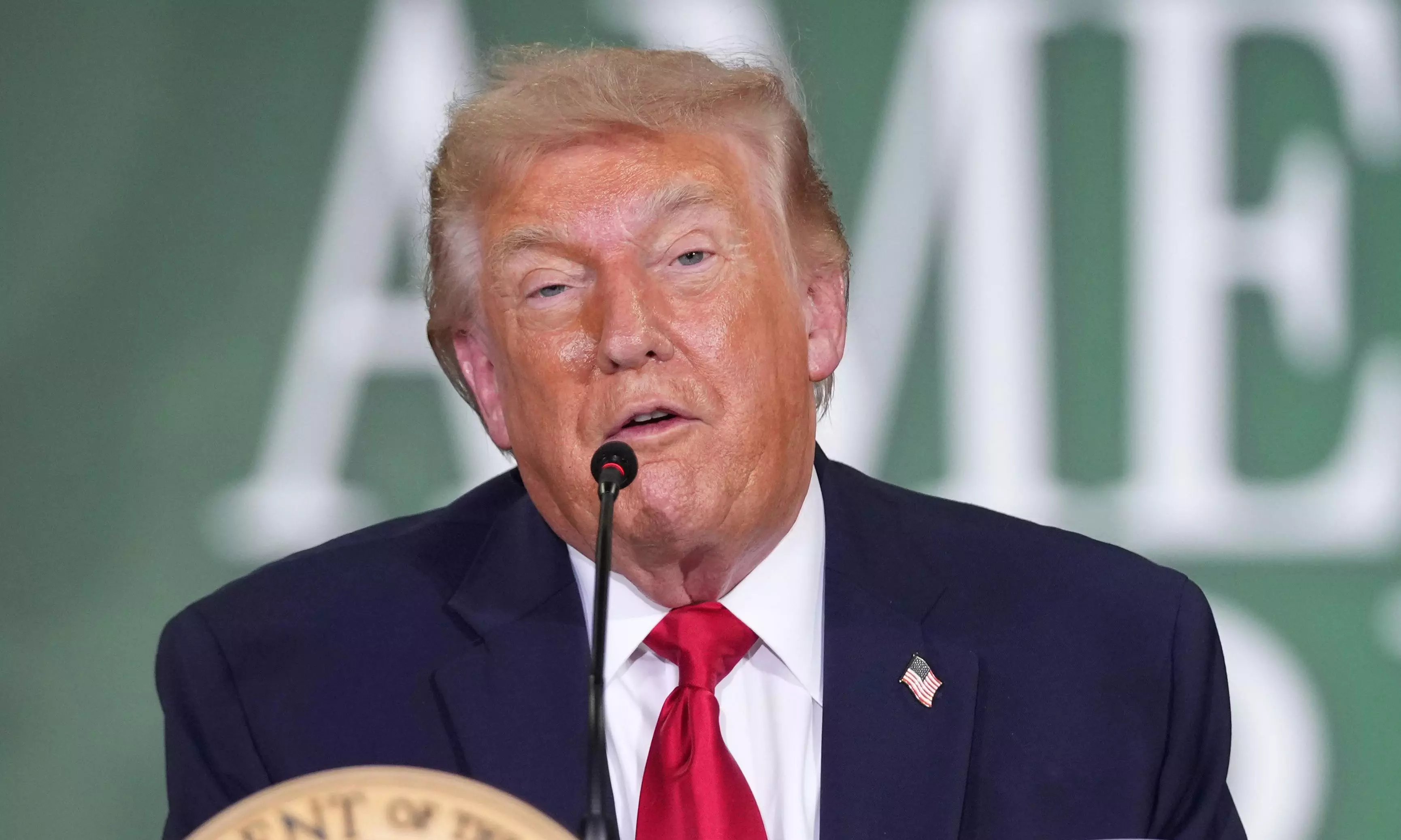
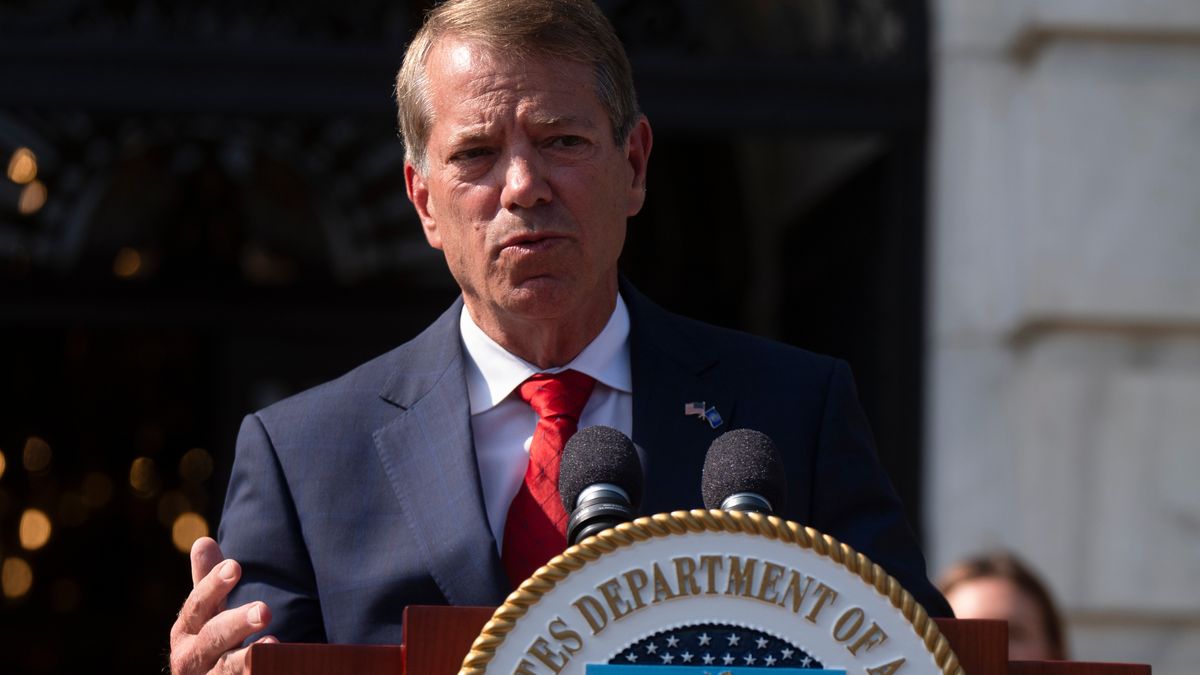
Nebraska Governor Jim Pillen praised the new requirements, framing them as a means to encourage workforce participation. He stated, “Welfare should be a hand up, not a hand out.” Conversely, critics assert that the policy does not address the real challenges facing low-income individuals, many of whom are already working. Dr. Benjamin Sommers from Harvard Medical School highlighted that two-thirds of non-elderly, non-disabled adult Medicaid enrollees in Nebraska are already employed or in school.
Potential Economic Fallout
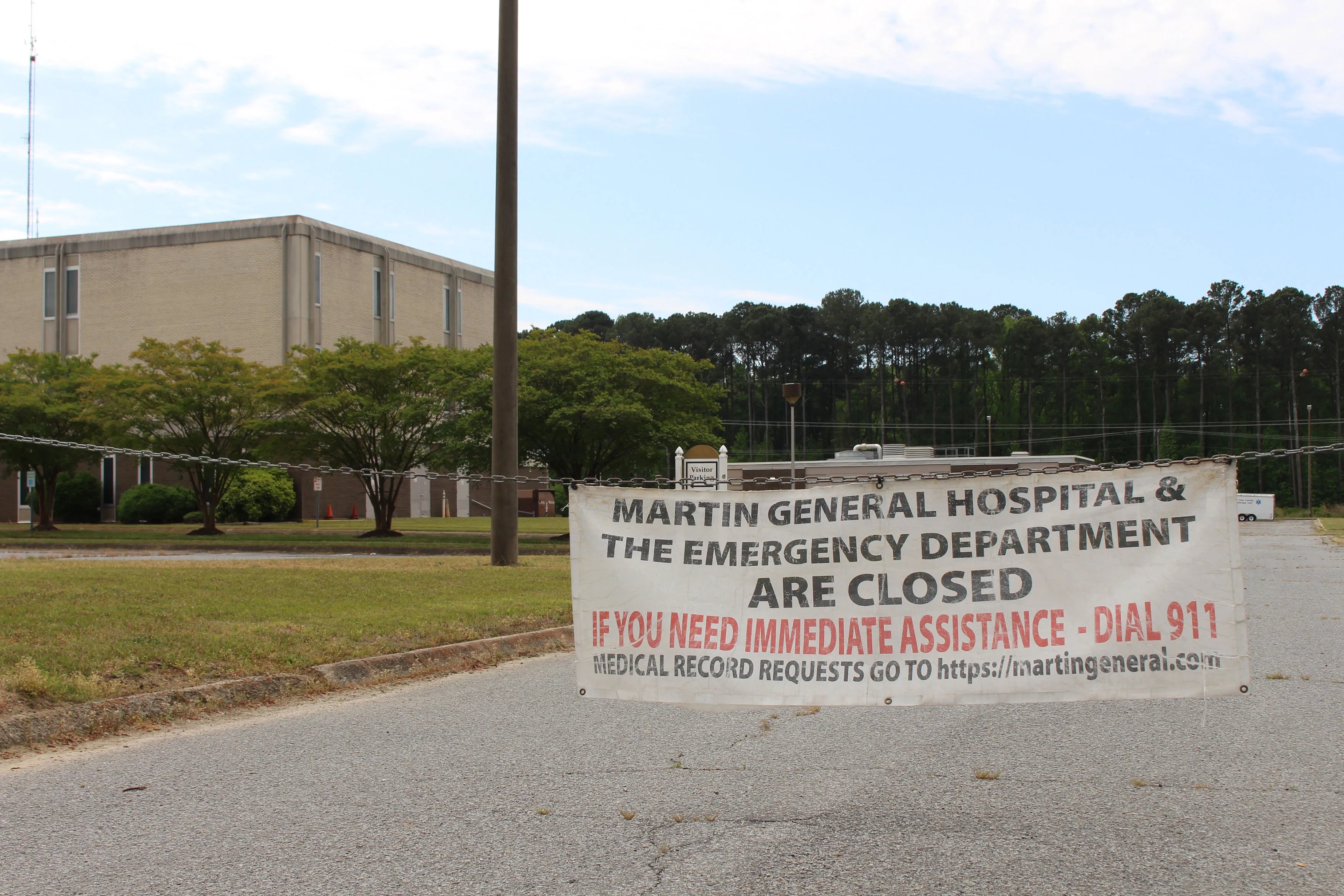
The implications of Medicaid cuts extend beyond individual health outcomes. Experts warn that rural hospitals and community health centers could face financial instability due to a decrease in Medicaid revenue. Although the federal bill includes a $50 billion rural health stabilization fund, it remains uncertain whether this will be sufficient to prevent closures of essential medical facilities, which rely heavily on Medicaid funding.
Next Steps for Residents
As Nebraska embarks on this new policy, residents and health advocates are encouraged to stay informed about their rights and eligibility requirements. The complexity of the new regulations may create significant barriers for many individuals, particularly those in rural areas or with limited resources. Those affected should seek assistance to understand how these changes may impact their healthcare access and financial stability.