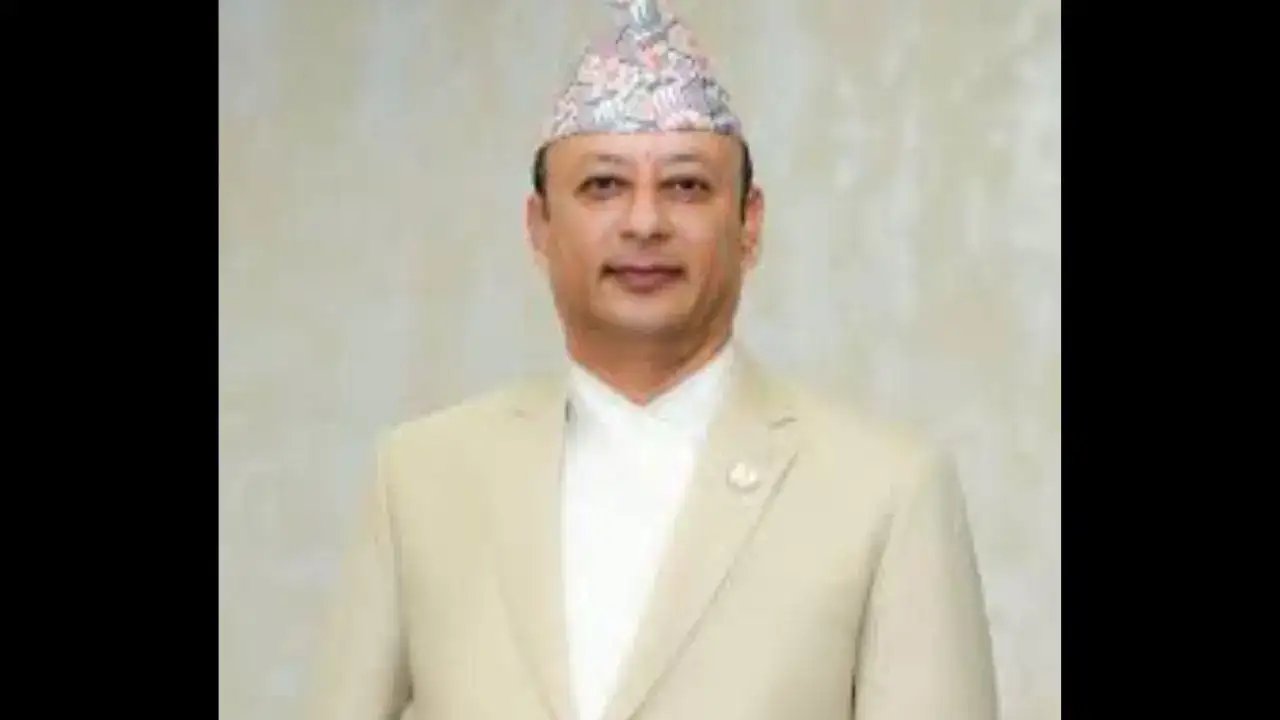
Police in Kathmandu arrested Deepak Khadka, Nepal's former energy minister and a prominent leader in the Nepali Congress party, on Sunday morning. The arrest is part of an ongoing investigation into money laundering offenses, as confirmed by local news outlet Ratopati. A team from the Central Investigation Bureau (CIB) executed the arrest, and Khadka is currently in their custody.
Khadka's arrest follows the detention of former Prime Minister KP Sharma Oli and former Home Minister Ramesh Lekhak, who were arrested for their roles in the violent crackdown on anti-corruption protesters in September 2025. This crackdown resulted in over 70 deaths and around 2,300 injuries, highlighting widespread public dissatisfaction with corruption and economic hardship in Nepal. The protests escalated after a brief social media ban and culminated in demonstrators setting fire to government buildings and Khadka's residence.
Sudan Gurung, the newly appointed Home Affairs Minister, announced on social media that Khadka's arrest relates to money allegedly recovered from his residence during the protests. The Department of Money Laundering Investigation will oversee the probe, as confirmed by CIB spokesman Shiva Kumar Shrestha. This investigation is part of a broader effort by the new government to address corruption and restore public trust in leadership.
The recent political turmoil led to the Rastriya Swatantra Party winning a decisive election earlier this month, marking the first polls since last September's protests. Balendra Shah, the party leader and a former rapper, has since taken office as prime minister. The new government has introduced an ambitious 100-point agenda focused on governance reform, including a proposal to establish an investigative committee to scrutinize the assets of politicians and high-ranking state employees.
Police in Kathmandu arrested Deepak Khadka, Nepal's former energy minister and a prominent leader in the Nepali Congress party, on Sunday morning. The arrest is part of an ongoing investigation into money laundering offenses, as confirmed by local news outlet Ratopati. A team from the Central Investigation Bureau (CIB) executed the arrest, and Khadka is currently in their custody.
Khadka's arrest follows the detention of former Prime Minister KP Sharma Oli and former Home Minister Ramesh Lekhak, who were arrested for their roles in the violent crackdown on anti-corruption protesters in September 2025. This crackdown resulted in over 70 deaths and around 2,300 injuries, highlighting widespread public dissatisfaction with corruption and economic hardship in Nepal. The protests escalated after a brief social media ban and culminated in demonstrators setting fire to government buildings and Khadka's residence.
Sudan Gurung, the newly appointed Home Affairs Minister, announced on social media that Khadka's arrest relates to money allegedly recovered from his residence during the protests. The Department of Money Laundering Investigation will oversee the probe, as confirmed by CIB spokesman Shiva Kumar Shrestha. This investigation is part of a broader effort by the new government to address corruption and restore public trust in leadership.
The recent political turmoil led to the Rastriya Swatantra Party winning a decisive election earlier this month, marking the first polls since last September's protests. Balendra Shah, the party leader and a former rapper, has since taken office as prime minister. The new government has introduced an ambitious 100-point agenda focused on governance reform, including a proposal to establish an investigative committee to scrutinize the assets of politicians and high-ranking state employees.
Khadka’s arrest, amid a wave of political accountability measures, reflects a significant shift in Nepal's governance landscape. The public's response to the ongoing investigations will be closely watched, as citizens demand greater transparency from their leaders. The recent political changes and the new government's focus on anti-corruption efforts may reshape the future of governance in Nepal, addressing the long-standing frustrations that fueled the protests.
The developments in this case underscore a critical juncture for Nepal, as the nation grapples with its political identity and the expectations of its citizens for a more accountable government.
Highlighted text was flagged by the council. Tap to see feedback.