Nine Skiers Dead in California's Worst Avalanche on Record
Revised after bias review
 Council News
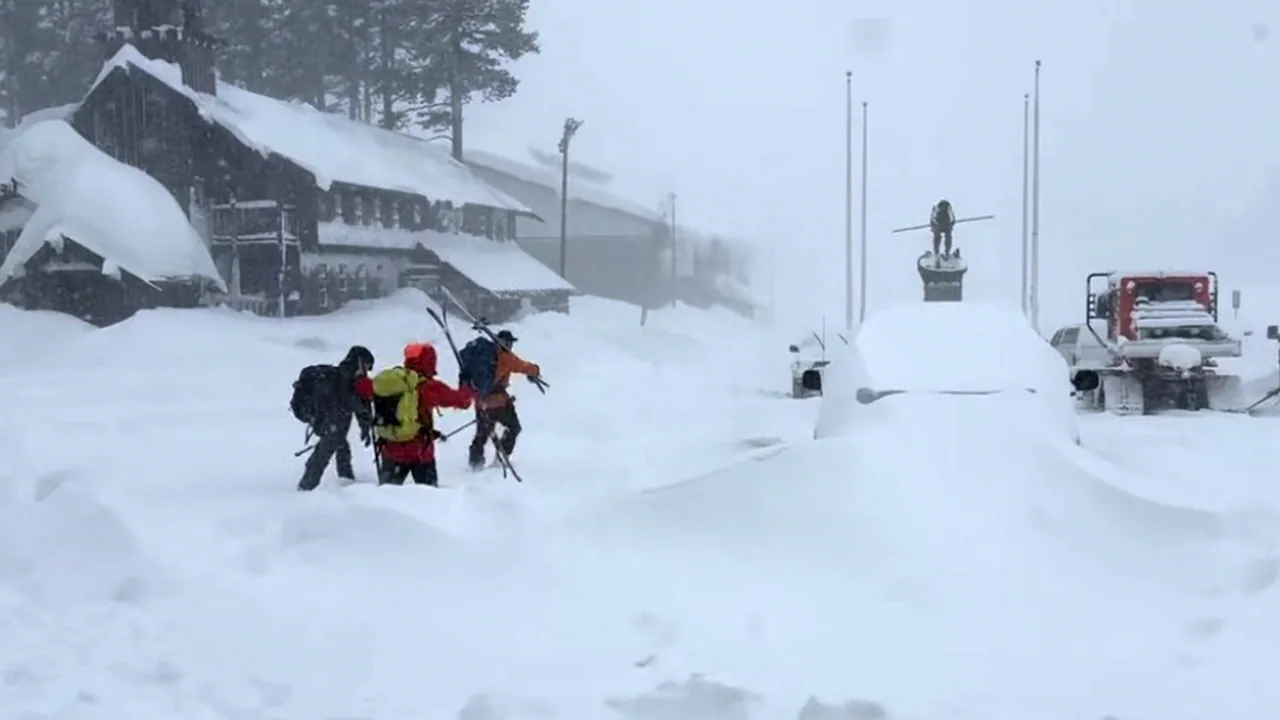





The tragic recovery of bodies from a California avalanche highlights the dangers of winter sports and extreme weather, resonating with outdoor enthusiasts and raising awareness about safety.
While tragic, the event itself is newsworthy and Hamilton's point about raising awareness of winter sports safety is valid. The human element and potential for preventing future accidents make it a worthwhile story to include, even if initially overlooked.
All nine skiers killed in Tuesday's avalanche near Lake Tahoe have been recovered, authorities announced Saturday. Severe winter storms hampered the five-day search across the Sierra Nevada mountains in northern California. The final missing skier was found five days after the avalanche.
Among the dead were six women and three ski guides. Six other skiers who were part of the same expedition survived.
Severe winter conditions made the recovery difficult. Fresh snow, whiteout visibility, and unstable mountain terrain forced crews to work in dangerous circumstances. Rescue teams knew the victims' general location but could not reach them quickly.
Families waited five days for recovery teams to reach and formally identify the victims.
The slide occurred on a slope frequently traveled by backcountry skiers. Investigators have not yet determined what triggered the avalanche. Lake Tahoe is a popular skiing and winter sport destination that draws thousands of visitors annually.
The six survivors face both physical recovery and the psychological weight of witnessing nine deaths. Families of the victims are now grieving the loss of mothers, wives, friends, and professional guides.
The incident may prompt review of avalanche safety measures, though no agency has announced policy changes. With recovery complete, officials say they will analyze the slide's causes and review safety practices.
Cross-referenced to ensure accuracy