Venezuelan opposition leader María Corina Machado announced Sunday that she will return to her country within the coming weeks, signaling a shift in the political landscape after months in exile. She made the declaration on social media, calling for supporters to "strengthen the unity of Venezuelans" as she prepares for what she described as "a new and gigantic electoral victory."
The timing matters enormously. According to Bloomberg, Machado's return comes months after US forces bombed Caracas and captured Nicolás Maduro in an early morning raid. Her actual return to Venezuelan soil will test whether the unity she has been positioning herself to lead can withstand pressure from authorities who have previously detained opposition figures.
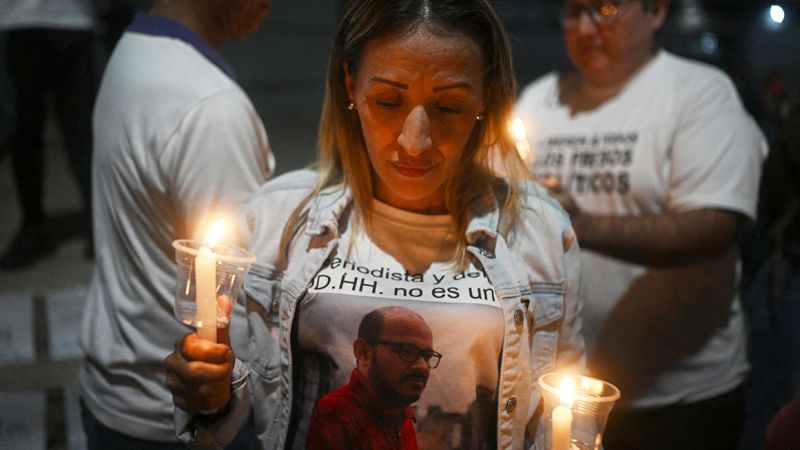
The stakes extend beyond Machado herself. As of early February, only about 300 prisoners have been freed. Hundreds remain detained, creating an atmosphere of uncertainty about how much freedom the opposition actually has to organize and campaign.
Machado did not announce a specific return date, only that it would happen "in the coming weeks." Her declaration signals confidence that conditions have shifted enough to make her presence in Venezuela viable. For Venezuelans and international observers, the coming weeks will test whether her return translates into actual political momentum.
Venezuelan opposition leader María Corina Machado announced Sunday that she will return to her country within the coming weeks, signaling a dramatic shift in the political landscape after months in exile. The 2025 Nobel Peace Prize winner made the declaration on social media, calling for supporters to "strengthen the unity of Venezuelans" as she prepares for what she described as "a new and gigantic electoral victory."
The timing matters enormously. Venezuela's supreme court has until March 20 to rule whether Machado can officially register as a candidate in the upcoming election. That deadline will determine not just her political fate, but whether the election itself gains international legitimacy. If the court blocks her registration, the opposition faces a fractured ballot and the international community will likely view the vote as compromised.
Machado's return comes months after US forces bombed Caracas and captured Nicolás Maduro in an early morning raid, fundamentally altering Venezuela's political equation. The opposition leader has been positioning herself as the unified face of anti-government forces, but her actual return to Venezuelan soil will test whether that unity holds under pressure from authorities who have previously detained opposition figures.
The stakes extend beyond Machado herself. As of early February, only about 300 political prisoners have been freed despite official promises of broader releases. Hundreds remain detained, creating an atmosphere of uncertainty about how much freedom the opposition actually has to organize and campaign.
Machado did not announce a specific return date, only that it would happen "in the coming weeks." Her declaration signals confidence that conditions have shifted enough to make her presence in Venezuela viable, but the supreme court's March 20 decision will ultimately determine whether her return translates into actual ballot access or becomes a symbolic gesture in a rigged process. For millions of Venezuelans watching from inside and outside the country, that court ruling will answer whether democratic change is possible or whether the election is merely theater.
Highlighted text was flagged by the council. Tap to see feedback.