OpenAI Robotics Chief Exits Over Pentagon AI Deal
Revised after bias review
 Council News
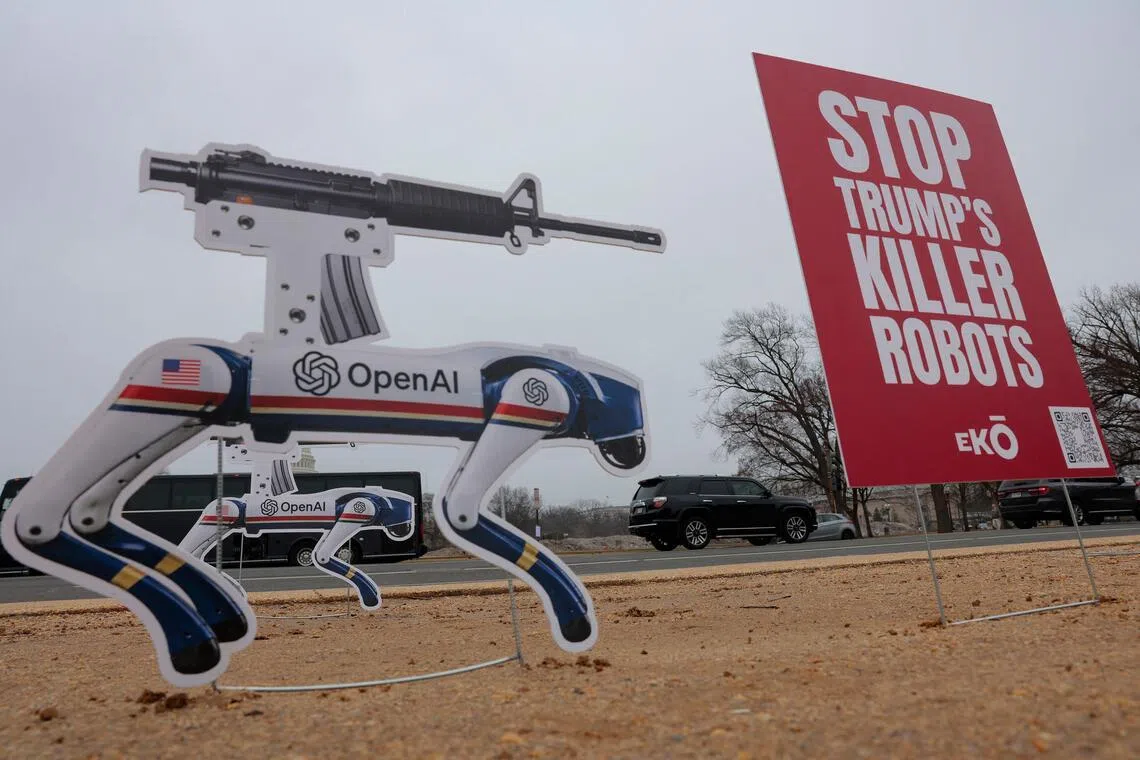





OpenAI Robotics head resigned after a deal with the Pentagon. This is a change in personnel and potentially a shift in the company's relationship with the military.
OpenAI's robotics head resigned after a Pentagon deal, indicating a concrete change in the company's defense contracting posture and raising questions about AI policy at a major firm.
OpenAI’s robotics chief resigned after a Pentagon deal, revealing internal dissent over military AI use.
OpenAI's head of robotics resigned Saturday over the company's agreement to deploy artificial intelligence models within the Pentagon's classified network. The departure marks a rare public break between a senior executive and the company's leadership over military applications of its technology.
The executive cited the Pentagon deal as the direct cause of her departure. She objected to the company's decision to allow its artificial intelligence to be used for war and potential domestic surveillance, according to her statement.
The resignation reveals internal dissent at OpenAI over the company's deepening relationship with the Department of Defence. The robotics chief's departure signals that at least some employees within the organization have drawn a line at military deployment of the company's systems.
According to Bloomberg, the deal allows OpenAI to deploy its artificial intelligence models within the Pentagon's classified network. This arrangement differs from the company's previous public-facing products and represents a significant expansion of military use cases for the technology.
OpenAI has faced mounting pressure to clarify its stance on military and surveillance applications of artificial intelligence. The robotics chief's exit forces the company to address questions about how it evaluates requests from government agencies and what internal safeguards exist for sensitive deployments.
The resignation occurs as artificial intelligence companies navigate competing demands from government agencies seeking advanced capabilities and employees or investors concerned about military and surveillance uses of the technology.
Cross-referenced to ensure accuracy