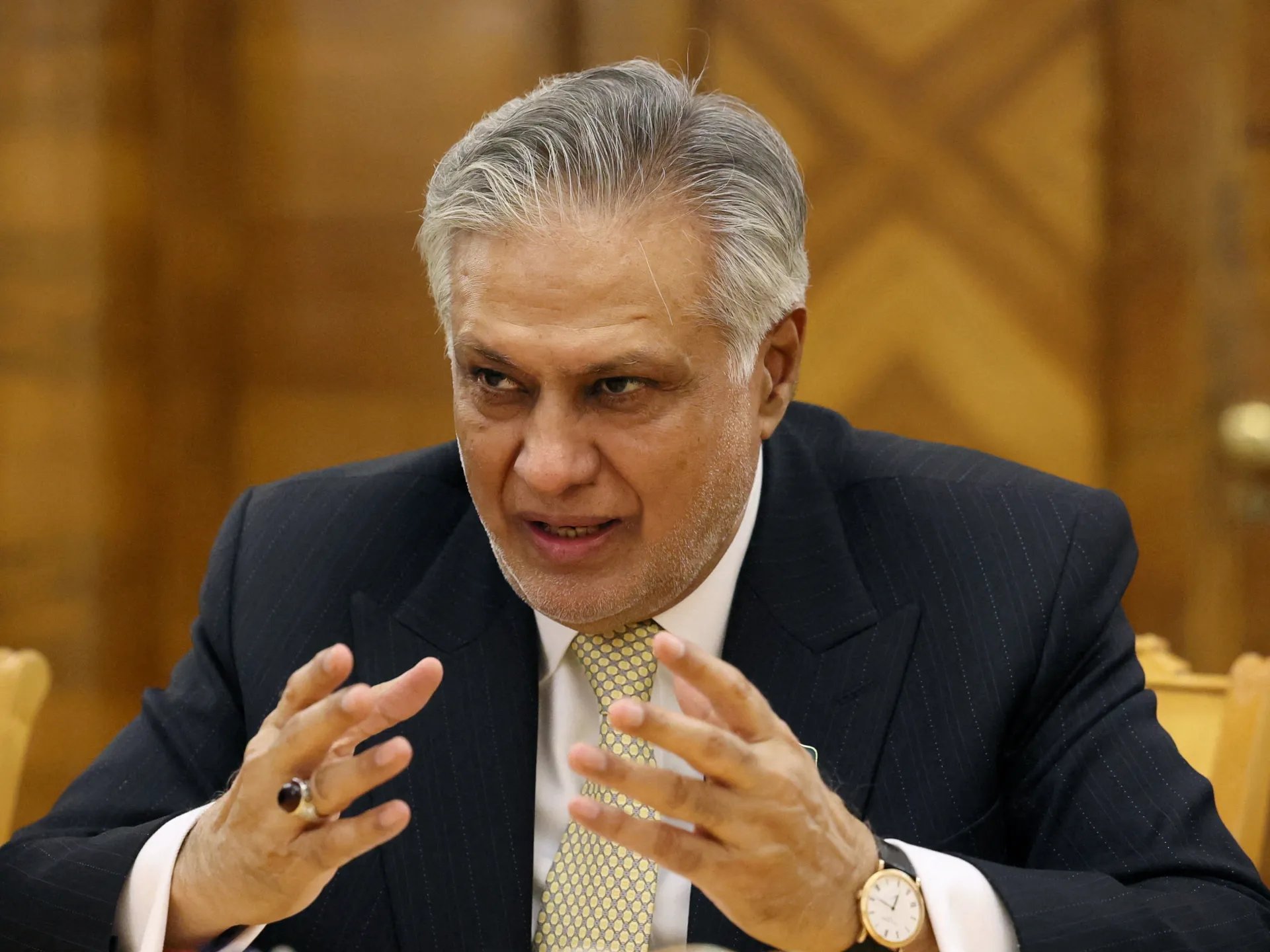
Iran has agreed to allow 20 Pakistani-flagged ships to pass through the Strait of Hormuz, according to Pakistan Foreign Minister Ishaq Dar. Dar announced the agreement on X, stating that two ships would cross daily.
Dar addressed his post to U.S. Vice President JD Vance, Secretary of State Marco Rubio, U.S. envoy Steve Witkoff, and Iranian Minister of Foreign Affairs Abbas Araghchi, signaling the agreement's broader implications. Pakistan's Ministry of Foreign Affairs spokesperson Tahir Andrabi said that Islamabad is willing to host talks, if desired.
The Strait of Hormuz has been effectively shut since coordinated strikes on Iran by the U.S. and Israel on February 28. These strikes killed Supreme Leader Ali Khamenei and triggered a war that has killed about 2,000 Iranians and more than 1,100 people in Lebanon. Roughly 150 vessels have made it through the Strait since the war began, a 90 percent decrease in maritime traffic.
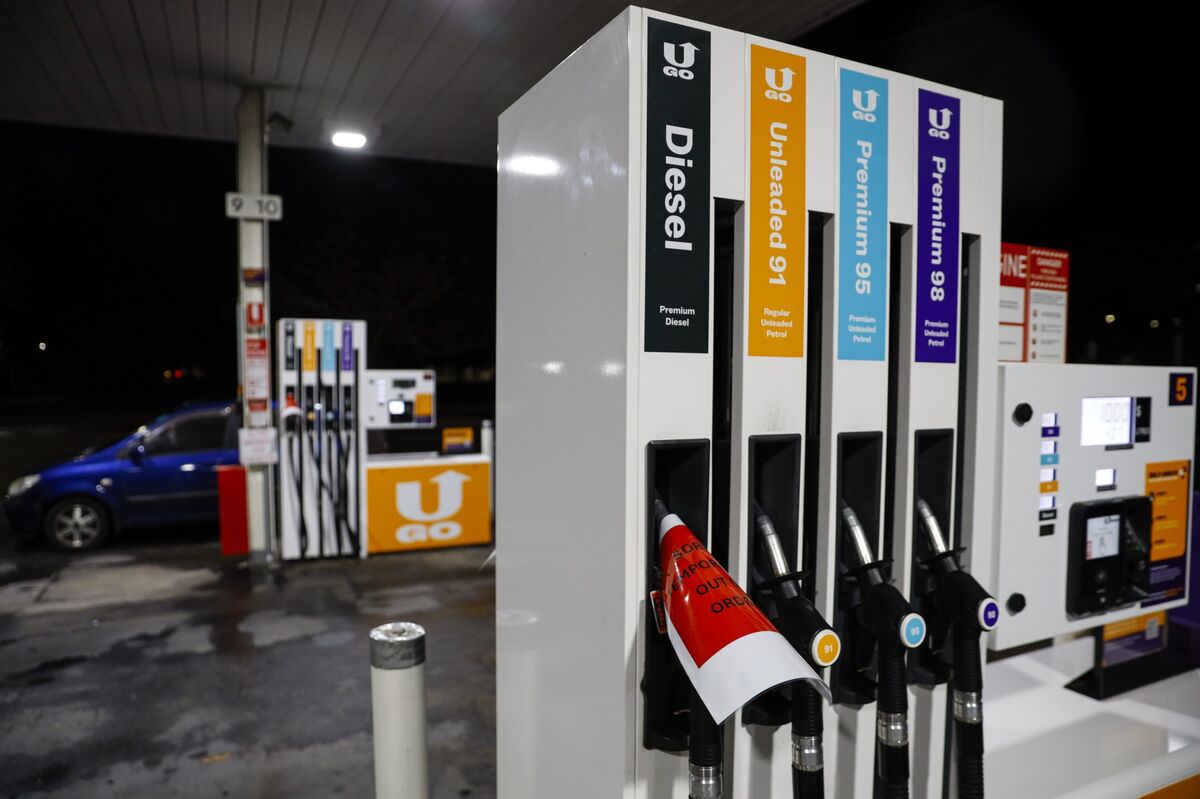
Oil has surged past $100 a barrel, up by roughly 40 percent. Sultan Al Jaber, an Emirati minister, called the chokehold "economic terrorism." Ngozi Okonkjo-Iweala, head of the World Trade Organization, said global trade was experiencing its "worst disruptions in the past 80 years".
Ships seeking passage must submit their cargo details, crew lists, and destinations to Islamic Revolutionary Guard Corps-approved intermediaries, receive a clearance code, and be escorted through Iranian territorial waters. At least two vessels have paid $2 million per crossing, settled in Chinese yuan. Iran's parliament is moving to legalize this arrangement as a possible source of revenue. Malaysian Prime Minister Anwar Ibrahim said Malaysian ships were permitted to cross the strait.
Iran has agreed to allow 20 Pakistani-flagged ships to pass through the Strait of Hormuz, according to Pakistan Foreign Minister Ishaq Dar. Dar announced the agreement on X, stating that two ships would cross daily. Pakistan shares a 560-mile border with Iran.
Dar addressed his post to U.S. Vice President JD Vance, Secretary of State Marco Rubio, U.S. envoy Steve Witkoff, and Iranian Minister of Foreign Affairs Abbas Araghchi, signaling the agreement's broader implications. Pakistan's Ministry of Foreign Affairs spokesperson Tahir Andrabi said that Islamabad is willing to host talks, if desired. Army chief Field Marshal Asim Munir spoke to U.S. President Donald Trump on Sunday.
The Strait of Hormuz has been effectively shut since coordinated strikes on Iran by the U.S. and Israel on February 28. These strikes killed Supreme Leader Ali Khamenei and triggered a war that has killed about 2,000 Iranians and more than 1,100 people in Lebanon. Roughly 150 vessels have made it through the Strait since the war began, a 90 percent decrease in maritime traffic.
Oil has surged past $100 a barrel, up by roughly 40 percent. Sultan Al Jaber, an Emirati minister, called the chokehold "economic terrorism." Ngozi Okonjo-Iweala, head of the World Trade Organization, said global trade was experiencing its “worst disruptions in the past 80 years”.
Ships seeking passage must submit their cargo details, crew lists, and destinations to Islamic Revolutionary Guard Corps-approved intermediaries, receive a clearance code, and be escorted through Iranian territorial waters. At least two vessels have paid $2 million per crossing, settled in Chinese yuan. Iran's parliament is moving to legalize this arrangement as a possible source of revenue. Malaysian Prime Minister Anwar Ibrahim said Malaysian ships were permitted to cross the strait.
Ukrainian President Volodymyr Zelensky said his country had “undoubtedly changed the geopolitical situation” in the Middle East with defense agreements with Gulf states. These agreements come as Gulf states are being hit with Iranian drones and missiles.
As 2,000 vessels remain stranded on either side of the Strait, Iran has demanded formal international recognition of its authority over the Strait as a condition for ending the war.
Highlighted text was flagged by the council. Tap to see feedback.









The Al Jazeera article reports that Mohammed Al-Hashemi, a former Qatari minister, described the Strait of Hormuz as 'the aortic valve of globalised production,' arguing its failure would cause the entire circulatory system to collapse.