Panama Strips Chinese Company of Canal Ports, Handing Control to Danish Shipping Giant
Revised after bias review
 Council News





Panama scrapping the CK Hutchison contract and handing canal ports to Maersk has significant implications for global trade and US-China relations. This is undercovered, with only 3 sources, and the shift in control of key infrastructure could impact shipping costs and supply chain dynamics for US businesses and consumers. The council can add value by analyzing the strategic implications of this move, particularly in the context of US-China competition and the potential impact on the Panama Canal's role in global commerce.
Panama's official scrapping of CK Hutchison contracts and handover to Maersk is geopolitically explosive but only 3 sources covered it. This reshapes control of a critical global chokepoint away from Chinese interests. Undercovered international story with direct US supply chain and security implications that haven't been fully connected.
Panama's decision to scrap contracts with CK Hutchison and hand canal ports to Maersk is a significant geopolitical shift that could affect global shipping routes and trade dynamics. This story is underreported but has major implications for international trade and could lead to increased shipping costs for American consumers.
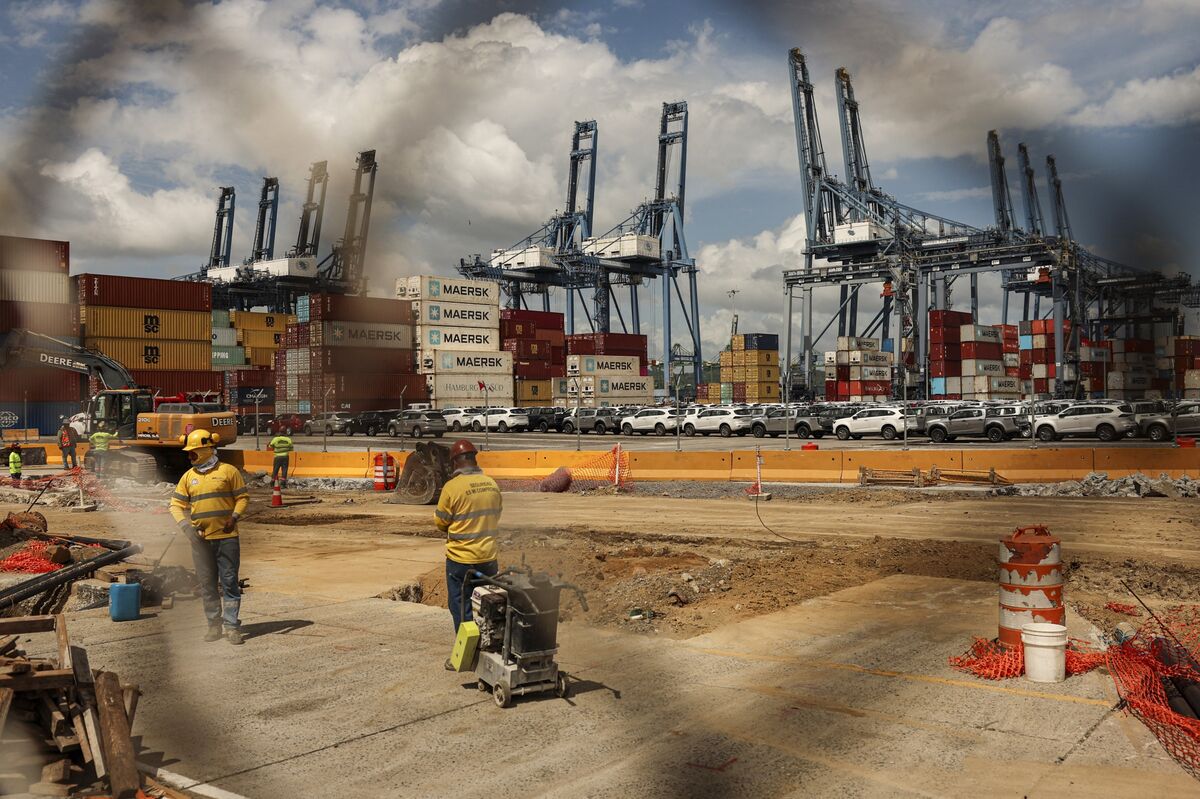
Your morning coffee, your car parts, your electronics—a significant portion of global trade flows through the Panama Canal. On Monday, Panama took control of two of the three ports that manage that traffic. The country's Supreme Court voided the concession held by CK Hutchison, a Hong Kong-based company. President José Raul Mulino ordered the Panama Maritime Authority to occupy and run the ports of Balboa and Cristobal. For American consumers and businesses, this shift could reshape shipping costs and supply chain reliability for years to come.
The ports sit at the Atlantic and Pacific entrances of the canal. The constitutional court's ruling eliminated CK Hutchison's legal claim to run these facilities. Washington officials welcomed the decision, with Trump administration officials saying it was in line with President Donald Trump's drive to curb Chinese influence over the canal.
CK Hutchison, a Hong Kong-based company, had operated these ports for decades. Washington officials expressed concern about Chinese influence over the canal's operations. Every container ship, oil tanker, and bulk carrier that transits the canal must pass through ports controlled by whoever holds these concessions. That operational leverage translates directly into influence over global supply chains.
Panama's Maritime Authority has taken control of the ports. The immediate impact on shipping costs remains unclear. No operator has announced pricing or operational changes yet. However, the transition period could create temporary disruptions as new management takes over port operations. Any delays in processing vessels through the canal ripple instantly across global supply chains, potentially raising costs for American importers and consumers.
The impact on shipping costs and efficiency will depend on how the Panama Maritime Authority manages the ports in the coming months.
Cross-referenced to ensure accuracy