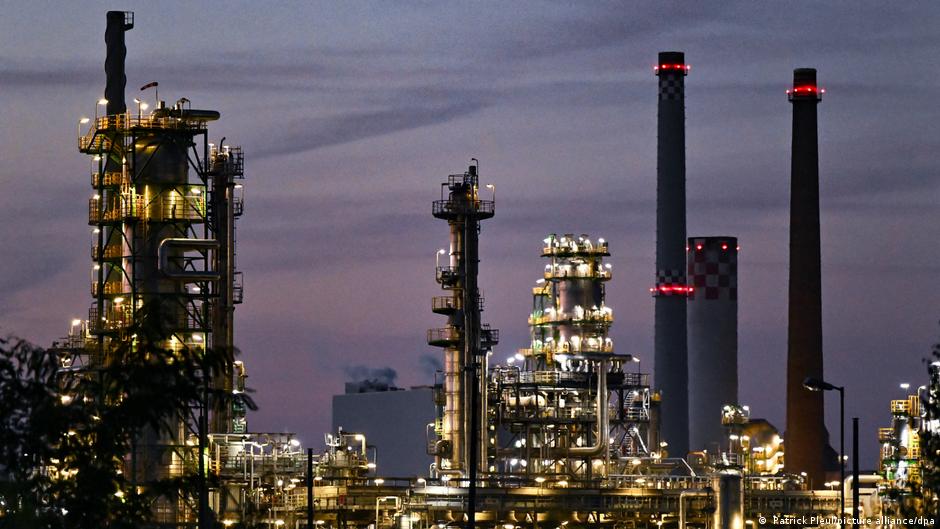
Procter & Gamble warned of a potential $1 billion profit hit due to rising oil prices. The consumer goods giant attributed this financial strain to the increased cost of raw materials, which is expected to affect their product pricing. This warning comes as oil prices have surged, impacting various sectors and leading to concerns about inflation.
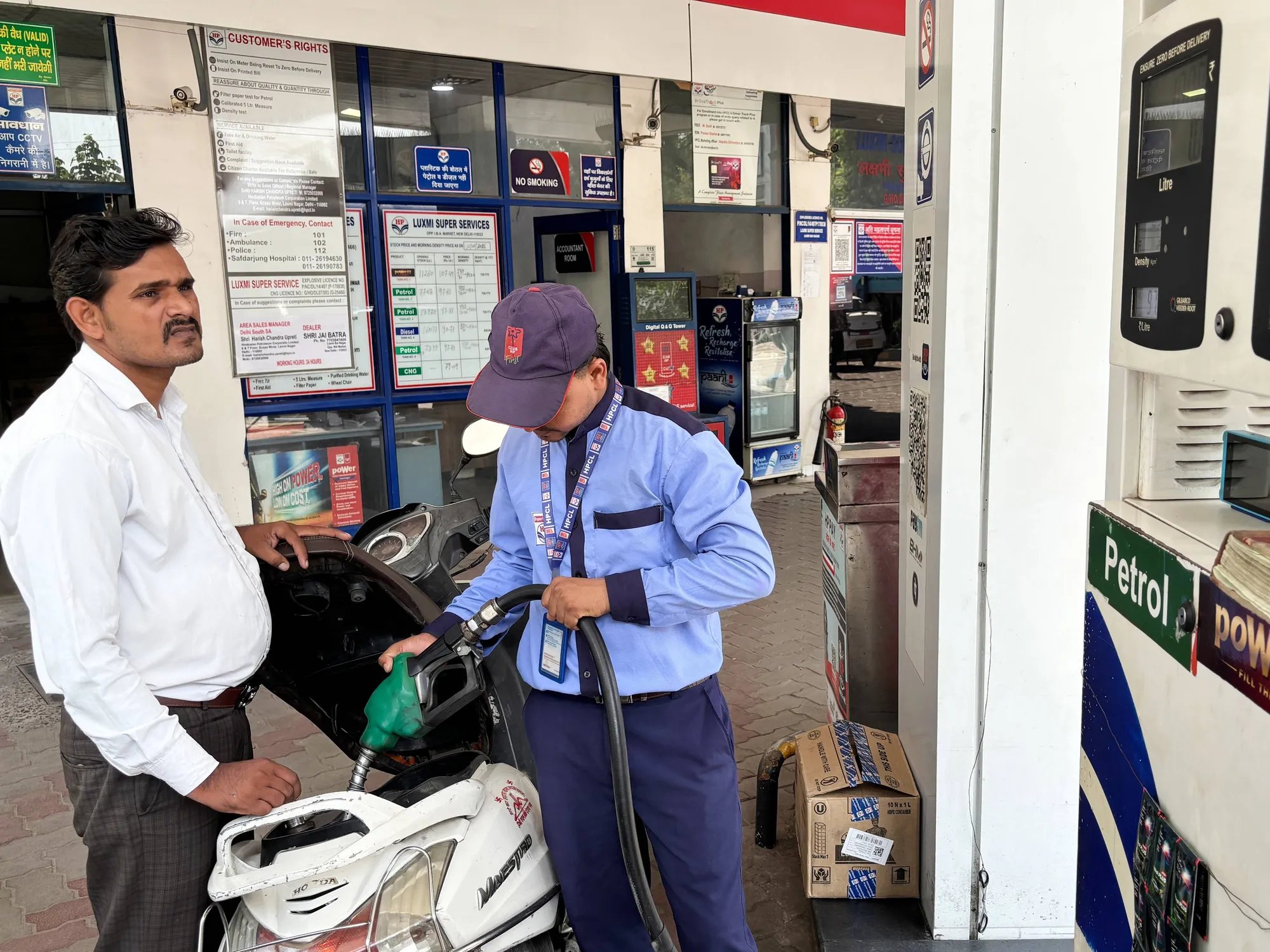
The potential $1 billion profit hit could lead to increased prices for everyday products, including household essentials such as detergents and personal care items. This could further strain household budgets, particularly for low- and middle-income families already facing rising living costs.
The broader market reacted to the news, with shares in consumer goods firms showing volatility as investors assess their exposure to rising oil prices.
The warning from Procter & Gamble fits into a larger economic narrative, as rising oil prices have been a concern for many businesses. The International Energy Agency reported that global oil demand is expected to increase, which could lead to sustained higher prices. This trend raises questions about the overall impact on inflation and economic growth, as businesses grapple with the need to balance costs and consumer demand.
Procter & Gamble is exploring various strategies to mitigate the impact of rising costs. The company is considering cost-saving measures and efficiency improvements to protect its profit margins. However, Schulten acknowledged that there are limits to how much cost can be absorbed without affecting product pricing. As the company navigates these challenges, its strategies will be closely watched by investors and consumers alike.
The profit hit could have implications for employment decisions within Procter & Gamble. If the company is forced to raise prices significantly, it may lead to decreased consumer spending, potentially affecting sales volumes and future hiring. The situation underscores the interconnectedness of commodity prices, corporate profitability, and employment stability in the consumer goods sector.
This development serves as a reminder of how global economic factors, such as oil prices, can have direct and measurable effects on everyday consumers and the companies that produce essential goods.
Procter & Gamble announced a potential $1 billion profit hit as a result of escalating oil prices. The consumer goods giant attributed this financial strain to the increased cost of raw materials, which is expected to affect their product pricing. This warning comes as oil prices have surged, impacting various sectors and leading to concerns about inflation.
The $1 billion profit loss could translate into higher prices for everyday products, including household essentials such as detergents and personal care items. Procter & Gamble's Chief Financial Officer, Andre Schulten, highlighted that the company is already experiencing increased costs, which they might pass on to consumers. This could further strain household budgets, particularly for low- and middle-income families already facing rising living costs.
Following the announcement, Procter & Gamble's stock experienced fluctuations, reflecting investor concern over the company's profitability and pricing strategy. Analysts noted that the company's ability to maintain market share while managing costs will be crucial in the coming months. The broader market also reacted to the news, with shares in consumer goods firms showing volatility as investors assess their exposure to rising oil prices.
The warning from Procter & Gamble fits into a larger economic narrative, as rising oil prices have been a concern for many businesses. The International Energy Agency reported that global oil demand is expected to increase, which could lead to sustained higher prices. This trend raises questions about the overall impact on inflation and economic growth, as businesses grapple with the need to balance costs and consumer demand.
Procter & Gamble is exploring various strategies to mitigate the impact of rising costs. The company is considering cost-saving measures and efficiency improvements to protect its profit margins. However, Schulten acknowledged that there are limits to how much cost can be absorbed without affecting product pricing. As the company navigates these challenges, its strategies will be closely watched by investors and consumers alike.
The profit hit could have implications for employment decisions within Procter & Gamble. If the company is forced to raise prices significantly, it may lead to decreased consumer spending, potentially affecting sales volumes and future hiring. The situation underscores the interconnectedness of commodity prices, corporate profitability, and employment stability in the consumer goods sector.
This development serves as a reminder of how global economic factors, such as oil prices, can have direct and measurable effects on everyday consumers and the companies that produce essential goods.
Highlighted text was flagged by the council. Tap to see feedback.