





Tax Refund Impact
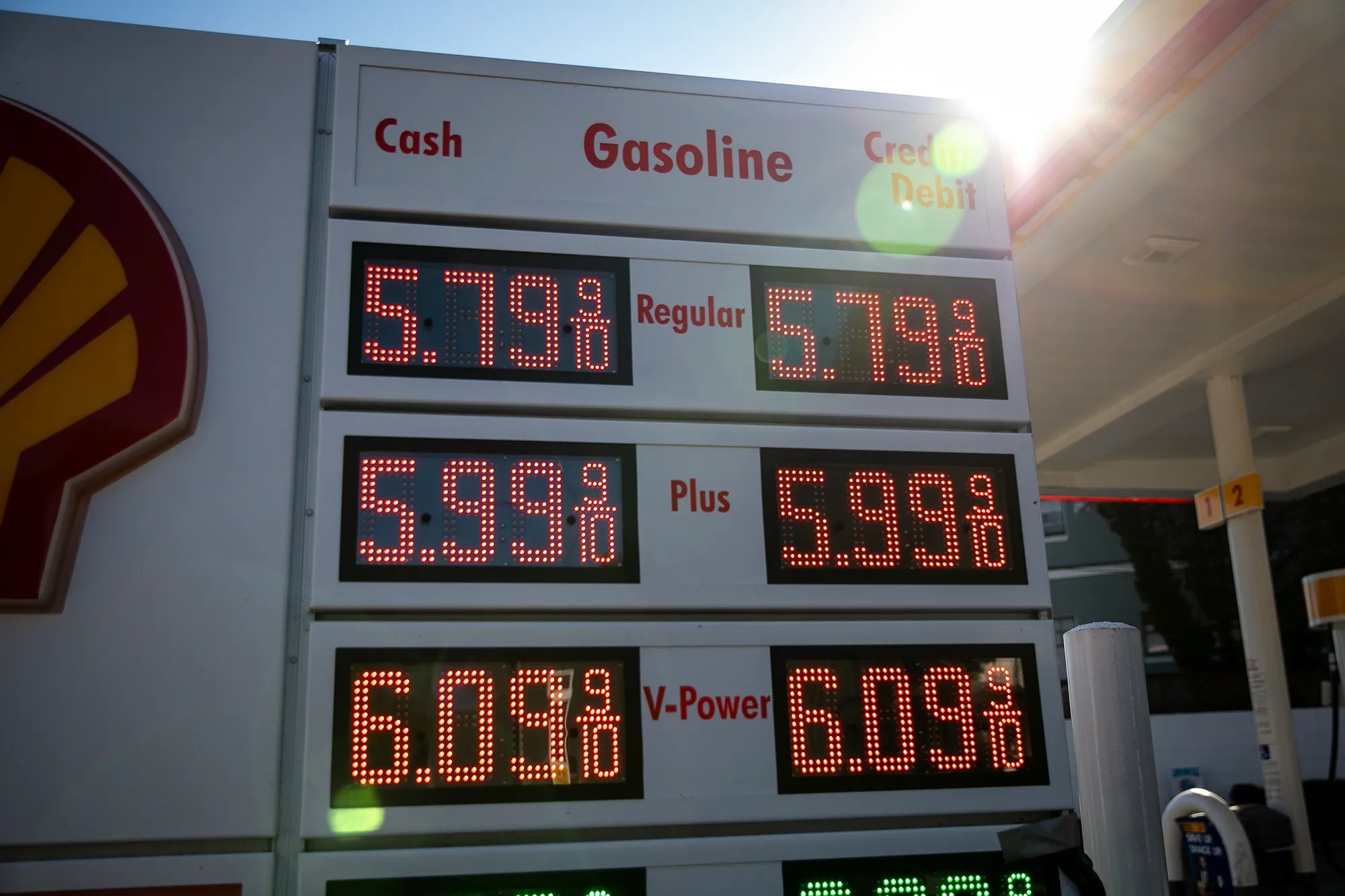
Surging gas prices, fueled by the conflict with Iran, could negate the benefits of larger tax refunds for many U.S. households. Stanford economists estimate that the average household will spend an additional $740 on gasoline this year due to rising global oil prices. This increase could offset the average individual tax refund increase of $748, stemming from the "One, Big, Beautiful Bill Act."
National Averages
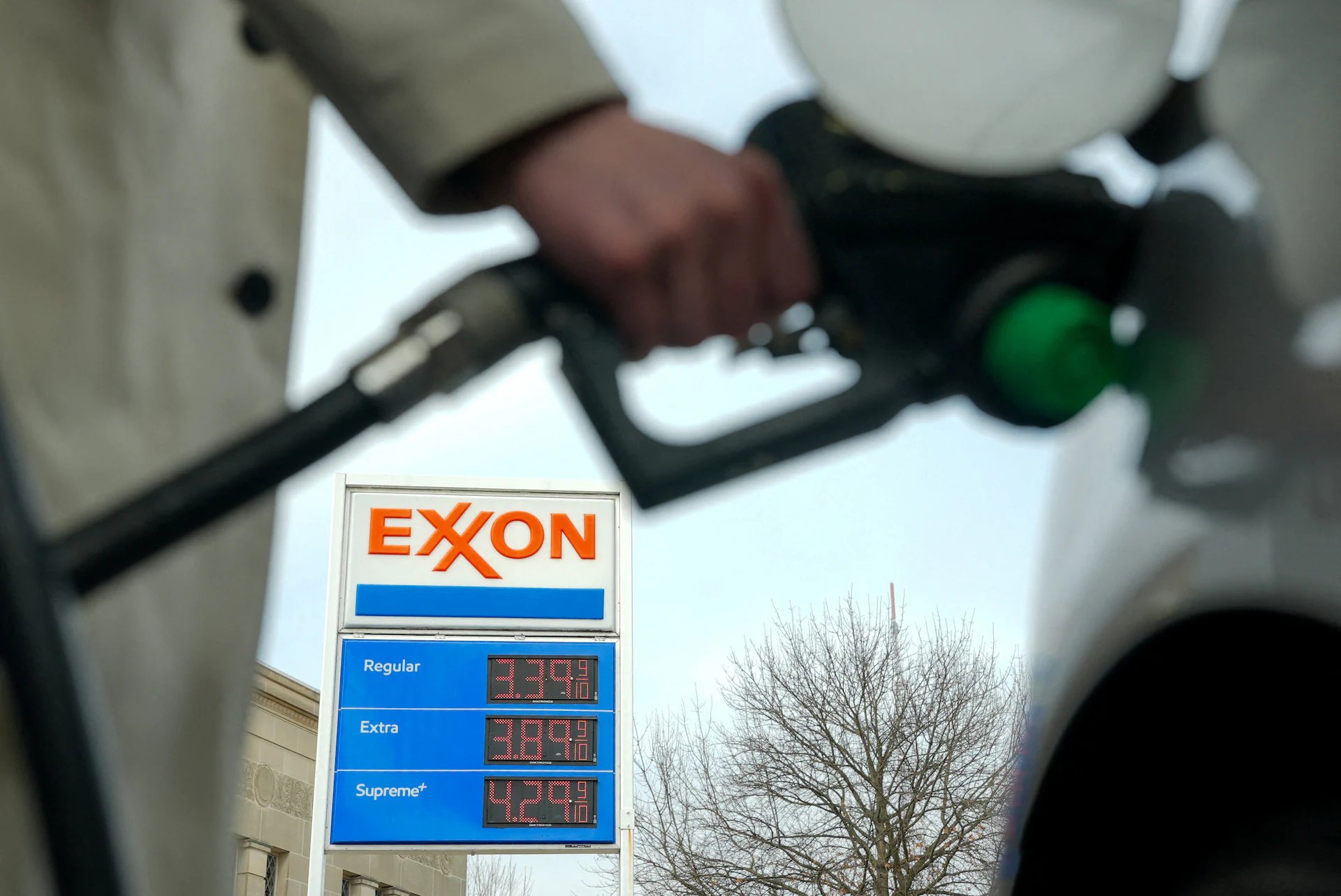
The national average gas price has already soared to $3.88 per gallon, a 96-cent increase from one month prior, according to AAA data. The Internal Revenue Service reports that overall tax refunds averaged $3,676 earlier this month, up 11% from last year. Pantheon Macroeconomics analysts predict that larger refunds will only offer modest support to consumption, offsetting a fraction of the impact from rising gas prices.
Economic Consequences
Steeper fuel costs are projected to reduce household real incomes by $15 billion per month, according to Pantheon Macroeconomics. By comparison, larger refunds this tax season are expected to boost household budgets by a combined $10 billion between February and April. A Bank of America Global Research survey revealed that 36% of respondents plan to use their tax refund to pay off debt.
Political Reactions
Michele Tafoya, a Republican candidate for U.S. Senate in Minnesota, suggested Americans should cut back on daily costs, such as taking "one less trip to Starbucks," to cope with rising gas prices. The Trump administration has touted tax cuts under the "big, beautiful bill," which raised the limit on the deduction for state and local taxes from $10,000 to $40,000.
Global Implications
The International Monetary Fund warned that prolonged high energy prices could increase global inflation. European traders are preparing for a prolonged disruption to liquefied natural gas supplies from Qatar. There has been a sharp rise in prices for delivery in 2027. Oil prices spiked on Wednesday, with Brent crude rising to nearly $111 a barrel and the U.S. benchmark jumping to roughly $99.
German Response
German Economy Minister Katherina Reiche urged caution regarding new relief measures, emphasizing the government is acting in a measured way. The Bundestag is preparing to pass a fuel pricing package requiring gas stations to raise prices only once daily at noon, while allowing reductions at any time, alongside tighter antitrust rules. Opposition parties criticized the measure as insufficient, with the Left, Greens, and SPD advocating for a windfall tax on oil companies instead.
Potential Solutions
German Finance Minister Lars Klingbeil is considering a special tax "to skim off excessive crisis profits," a source for his ministry said. Conservative Christian Democrat deputy Sepp Müller signaled further action if the situation persists, accusing oil companies of driving up prices. The Greens are advocating for a windfall tax, with support from the SPD and the Left, while the Left is also pushing for cheaper public transport.
If tensions ease and tankers start traversing the Strait of Hormuz sooner, estimates of how much consumers could spend on gas would change, according to Neale Mahoney, director of the Stanford Institute.

The sources also report that the Bank of America survey found 10% of respondents plan to use their tax refund for major purchases or everyday expenses, and 13% for savings.