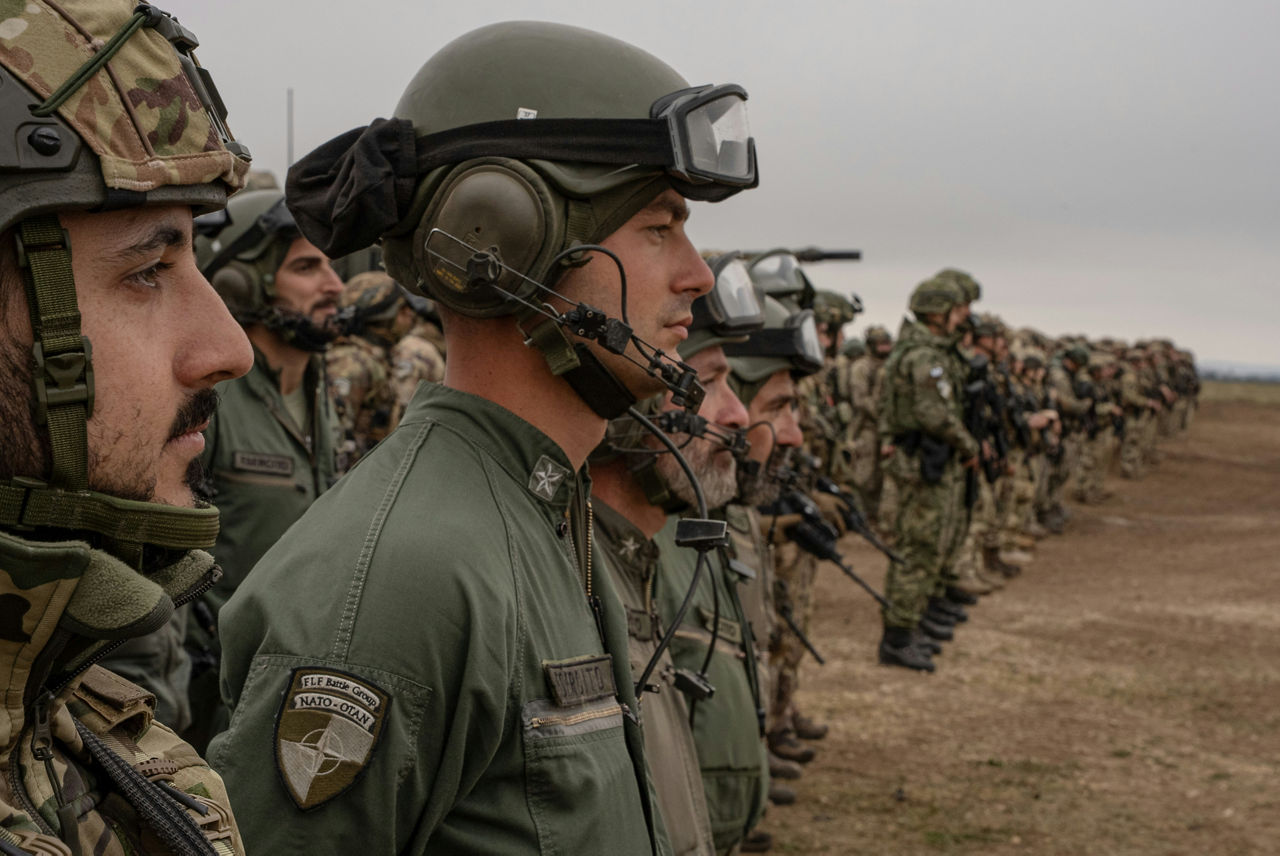
If you live in Europe or rely on stable international relations for travel and trade, Russia's military buildup on NATO's eastern edge could mean higher risks of disruption, from potential conflicts to soaring energy costs. Lithuania's intelligence officials revealed this expansion today, highlighting how it positions thousands more Russian forces near borders shared with NATO allies, a move that echoes past tensions and could force your government to boost defense spending. This development underscores the growing unease in the alliance, where even routine cross-border activities might face new uncertainties as nations scramble to respond.
The expansion includes at least two new motorized rifle brigades and supporting artillery units, bringing the total to over 10,000 additional personnel in the region. This buildup, first noted in recent months, aims to strengthen Russia's defensive posture but raises immediate concerns about rapid mobilization capabilities. Experts from Lithuania's Military Intelligence and Security Service emphasized that these forces are now within striking distance of key NATO infrastructure.
Russia's military push comes amid its own economic strains, as seen in recent cuts to investment programs in Moscow that signal deeper fiscal woes. These interconnected pressures suggest Russia is prioritizing border security over domestic needs, potentially accelerating global instability.
NATO members are already convening emergency talks, with officials from the alliance's headquarters in Brussels preparing to assess the threat level and coordinate responses. For the millions in NATO countries, this might translate to stricter travel advisories or economic sanctions that affect everyday goods. The alliance's next summit will determine long-term strategies, leaving residents near these borders to brace for ongoing vigilance.
If you live in Europe or rely on stable international relations for travel and trade, Russia's military buildup on NATO's eastern edge could mean higher risks of disruption, from potential conflicts to soaring energy costs. Lithuania's intelligence officials revealed this expansion on Thursday, highlighting how it positions thousands more Russian forces near borders shared with NATO allies, a move that echoes past tensions and could force your government to boost defense spending. This development underscores the growing unease in the alliance, where even routine cross-border activities might face new uncertainties as nations scramble to respond.
Lithuanian defense authorities, led by Minister of National Defence Laurynas Kasčiūnas, disclosed detailed evidence of Russia's troop increases along the borders with Estonia, Latvia, and Poland, based on satellite imagery and ground reports. The expansion includes at least two new motorized rifle brigades and supporting artillery units, bringing the total to over 10,000 additional personnel in the region. This buildup, first noted in recent months, aims to strengthen Russia's defensive posture but raises immediate concerns about rapid mobilization capabilities. Experts from Lithuania's Military Intelligence and Security Service emphasized that these forces are now within striking distance of key NATO infrastructure.
Russia's military push comes amid its own economic strains, as seen in recent cuts to investment programs in Moscow that signal deeper fiscal woes. Documents from Russian budget reports show a reallocation of funds toward defense, with military spending rising by 20% in the latest quarter to cover these expansions. A drone strike on British forces in Cyprus, another NATO-linked area, has further exposed vulnerabilities in allied operations, prompting calls for troop withdrawals that could weaken the alliance's southern flank. These interconnected pressures suggest Russia is prioritizing border security over domestic needs, potentially accelerating global instability.
NATO members are already convening emergency talks, with officials from the alliance's headquarters in Brussels preparing to assess the threat level and coordinate responses. The U.S. and Germany have signaled plans to deploy additional reconnaissance assets, which could lead to heightened patrols along the affected borders. For the millions in NATO countries, this might translate to stricter travel advisories or economic sanctions that affect everyday goods. The alliance's next summit will determine long-term strategies, leaving residents near these borders to brace for ongoing vigilance.
Highlighted text was flagged by the council. Tap to see feedback.