




Senate Approves DHS Funding
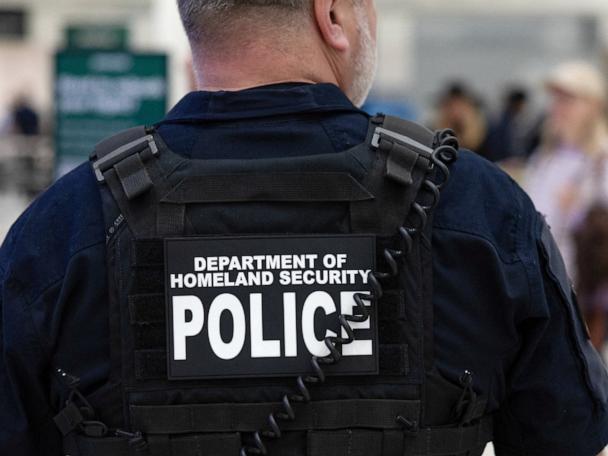
The Senate voted early Friday to approve a funding package for most of the Department of Homeland Security, aiming to end a 42-day partial government shutdown. The bill excludes funding for Immigration and Customs Enforcement (ICE) and part of Customs and Border Protection (CBP). The unanimous vote sends the bill to the House.
The agreement funds agencies such as the Transportation Security Administration (TSA), the Coast Guard, and the Federal Emergency Management Agency (FEMA). TSA employees, who screen airport passengers, baggage, and cargo, will start being paid for the first time since mid-February. Absences at some airports have reached as high as 40%, with over 480 TSA officers quitting during the shutdown, according to acting TSA administrator Ha Nguyen McNeil.
House Action Needed
The House must now approve the Senate's package before the funded agencies can reopen. House Speaker Mike Johnson said it would be "shameful" to fail to fund the agency. The House previously passed a bill to fund DHS through September in a 218-206 vote, with four Democrats crossing the aisle.
Senate Minority Leader Chuck Schumer said Democrats "held firm in our position that Donald Trump's rogue and deadly militia should not get more funding without serious reforms." Senate Majority Leader John Thune accused Democrats of prioritizing politics over solutions. Democrats countered that they sought specific reforms to ICE operating procedures, including training standards and identification requirements for officers. Republicans are vowing to work on a package later this year to approve more funding for ICE and CBP using reconciliation, a budget tool that would allow them to pass the bill without any Democratic support.
Trump's Iran Deadline Extended
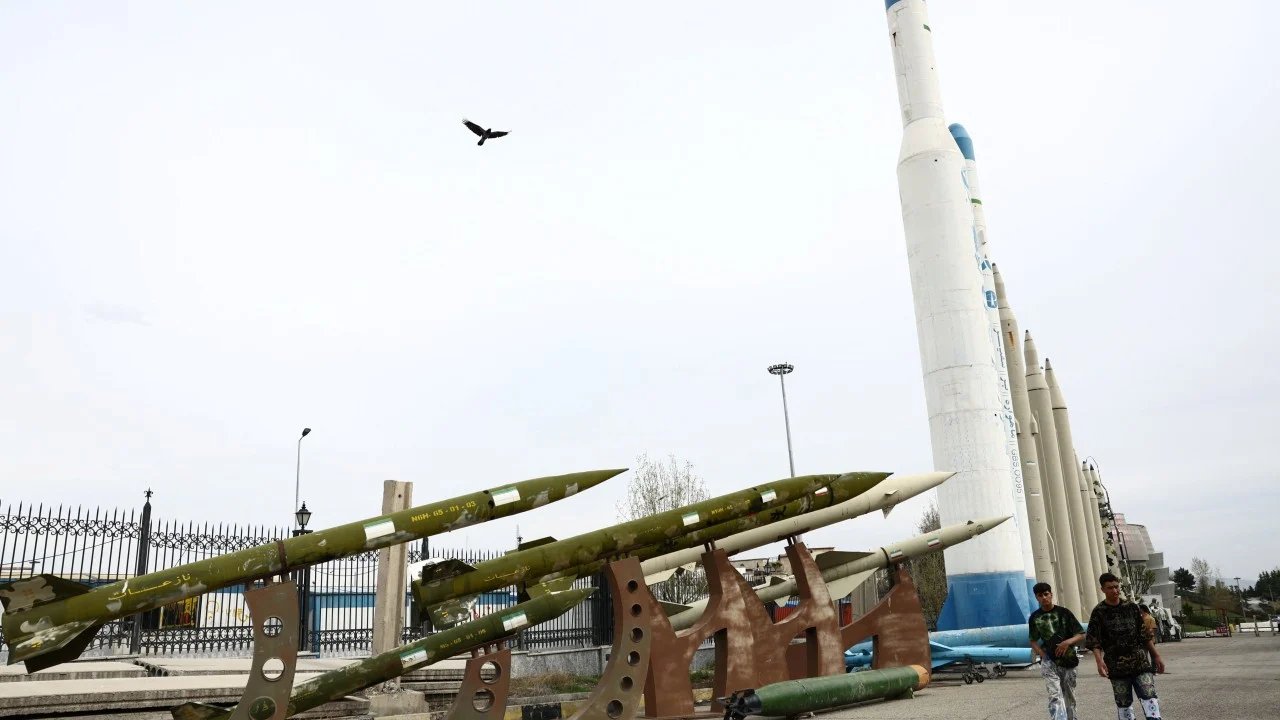
President Trump extended the pause on striking Iranian energy infrastructure until April 6, at 8 P.M. Eastern Time. This marks the second extension this week. Trump initially announced a five-day pause, which was to expire Saturday.
Trump said the extension was "per Iranian government request" and that talks "are going very well." However, Iran's Islamic Revolutionary Guard Corps accused Trump of making "false statements" about diplomacy and insisted it still had full control of the Strait of Hormuz. White House envoy Steve Witkoff said Pakistan, Egypt, and Turkey approached the U.S. and proposed to mediate, resulting in a "15-point action list" given to Iran through Pakistan.
Iranian Actions and Reactions
The IRGC said three container ships were turned back after warnings. Iran is charging some commercial ships $2 million to transit the key shipping lane, a practice that violates international maritime law. Iran's parliament is drafting a bill to make the fees official.
Kuwait's government said the Mubarak Al-Kabeer Port sustained damage in Iran's attacks. Israeli Defense Minister Israel Katz said attacks against Iran will "escalate and expand." The Israeli military said it struck ballistic missiles and aerial defense systems production sites across Iran overnight.
Global Impact
Oil prices fell after Trump's announcement, but snapped back quickly, with Brent crude hovering around $107 a barrel Thursday evening. German Foreign Minister Johann Wadephul said a direct meeting between U.S. and Iranian officials "is apparently due to take place fairly soon at short notice in Pakistan." The U.S. gave Iran through Pakistan a "15-point action list the forms the framework for a peace deal," Witkoff said.
The House must now consider the Senate's DHS funding bill. Meanwhile, negotiations with Iran continue ahead of Trump's April 6 deadline for reopening the Strait of Hormuz.