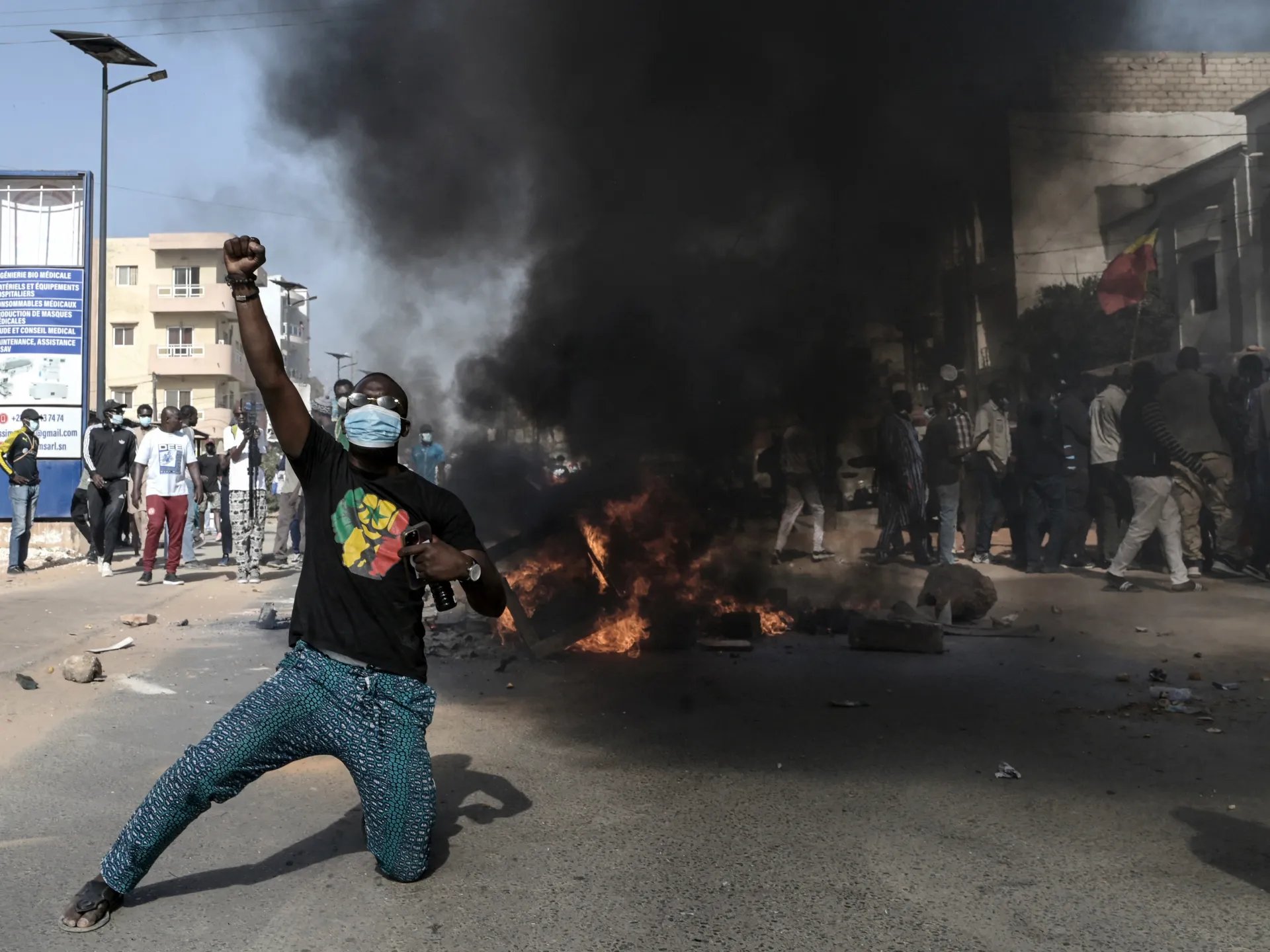
Senegal's parliament approved a bill on Wednesday that doubles the maximum prison term for same-sex relations to 10 years. Lawmakers passed the legislation by 135 votes to none, with three abstentions, reflecting strong government support.
The bill also criminalizes promoting or financing same-sex relationships, as noted in the government-backed measure. President Bassirou Diomaye Faye must sign the law for it to take effect. Existing penalties, which allowed up to five years in prison for "acts against nature," now face reinforcement, altering how courts handle such cases.
The legislation increases fines for related offenses to up to 10 million CFA francs, equivalent to $17,700. It further bars judges from issuing suspended sentences or reducing terms below the minimum in this Muslim-majority nation.
For instance, the law explicitly prohibits the promotion of homosexuality, expanding its reach beyond individuals to groups or supporters. The changes build on a 2024 campaign promise by President Faye and Prime Minister Ousmane Sonko, linking policy to electoral commitments.
Authorities arrested 27 men between February 9 and February 24 on suspicions of "acts against nature" and, in some instances, HIV transmission. These detentions highlight early enforcement of existing laws, showing how the new measures could multiply such actions.
The International Federation for Human Rights documented these cases, underscoring the immediate human toll. Activists argue that the arrests represent a pattern of targeting, which could worsen with the law's passage and affect broader social networks.
Similar laws have emerged in Burkina Faso, where restrictions have tightened, and Ghana is considering comparable measures. Rights groups describe this as part of a wider movement across Africa, where more than half of the countries that criminalize same-sex relations are located.
In Senegal, the law aligns with efforts in neighboring states, potentially isolating the country further from global norms on human rights. Activists note that these policies reflect growing regional pressures, which might prompt individuals to seek support from international organizations. This context shows how one nation's choices can ripple outward, affecting diaspora communities and global advocacy.
The new penalties in Senegal underscore a human-scale consequence: families could lose breadwinners to prison, straining household finances and community bonds for years.
Senegal’s parliament approved a bill on Wednesday that doubles the maximum prison term for same-sex relations to 10 years. Lawmakers passed the legislation by 135 votes to none, with three abstentions, reflecting strong government support. This change affects individuals by escalating the legal risks for private actions, potentially leading to longer separations from families and communities.
The bill also criminalizes promoting or financing same-sex relationships, as noted in the government-backed measure. President Bassirou Diomaye Faye must sign the law for it to take effect, a step that could immediately influence personal freedoms across the country. Existing penalties, which allowed up to five years in prison for "acts against nature," now face reinforcement, altering how courts handle such cases.
The legislation increases fines for related offenses to up to 10 million CFA francs, equivalent to $17,700. It further bars judges from issuing suspended sentences or reducing terms below the minimum in this Muslim-majority nation. These adjustments mean that convictions carry heavier financial burdens and mandatory prison time, directly threatening the economic stability of those targeted.
For instance, the law explicitly prohibits the promotion of homosexuality, expanding its reach beyond individuals to groups or supporters. This provision could deter advocacy efforts, as activists have pointed out, by imposing severe penalties on anyone involved in such activities. The changes build on a 2024 campaign promise by President Faye and Prime Minister Ousmane Sonko, linking policy to electoral commitments.
Authorities arrested 27 men between February 9 and February 24 on suspicions of "acts against nature" and, in some instances, HIV transmission. These detentions highlight early enforcement of existing laws, showing how the new measures could multiply such actions. People in Senegal now face heightened risks of arbitrary arrest, disrupting daily lives and access to health services.
The International Federation for Human Rights documented these cases, underscoring the immediate human toll. Activists argue that the arrests represent a pattern of targeting, which could worsen with the law's passage and affect broader social networks. This development places ordinary citizens in a position where routine interactions might invite scrutiny.
Similar laws have emerged in Burkina Faso, where restrictions have tightened, and Ghana is considering comparable measures. Rights groups describe this as part of a wider movement across Africa, where more than half of the countries that criminalize same-sex relations are located. Such trends could influence travel and international relations for people worldwide, including those with ties to the region.
In Senegal, the law aligns with efforts in neighboring states, potentially isolating the country further from global norms on human rights. Activists note that these policies reflect growing regional pressures, which might prompt individuals to seek support from international organizations. This context shows how one nation's choices can ripple outward, affecting diaspora communities and global advocacy.
The new penalties in Senegal underscore a human-scale consequence: families could lose breadwinners to prison, straining household finances and community bonds for years.
Highlighted text was flagged by the council. Tap to see feedback.