



Market Decline Erases Trillions in Value
India's Sensex fell by more than 1,600 points today, erasing over Rs 7 lakh crore from the total market capitalization of BSE-listed firms. The sharp decline was driven by a combination of rising crude oil prices and a hawkish stance from the US Federal Reserve, which significantly impacted investor sentiment. The crash reflects growing fears about inflation and economic stability, as global markets react to escalating tensions in the Middle East.
Oil Prices Surge Amid Geopolitical Tensions
The surge in oil prices has been linked to recent attacks on key energy infrastructure in the Middle East, causing Brent crude to rise from approximately $70 per barrel to nearly $110. This spike in oil prices is expected to exacerbate inflationary pressures globally. In the US, a report indicated that wholesale inflation unexpectedly accelerated to 3.4%, raising concerns that higher production costs could be passed on to consumers.
Federal Reserve's Impact on Investor Confidence
The Federal Reserve's decision to maintain interest rates has further unsettled markets. Chair Jerome Powell indicated uncertainty regarding future rate cuts, suggesting that inflation could prevent any immediate easing of rates. The Fed's reluctance to cut rates, despite calls from President Trump for action, reflects a cautious approach amid rising oil prices and inflation concerns. The vote to keep rates steady was 11-1, with only one Fed voter supporting a rate cut. Powell noted that several Fed officials downgraded their forecasts for rate cuts this year to one from two.

The article by Stan Choe of the Associated Press reports that Federal Reserve Chairman Jerome Powell stated, 'We just don't know' about what will happen with oil prices and how long tariffs will take to work their way through the economy.

The sources also report that only one Fed voter wanted to lower rates, and the tally was 11-1 to keep rates steady.

The sources also report that the yield on the 10-year Treasury bond, a key U.S. interest benchmark, climbed to 4.25% amid rising inflation concerns.
Investor Reactions and Stock Recommendations
In light of the market turmoil, some analysts are advising investors to consider specific stocks. Aakash K Hindocha, Deputy Vice President at Nuvama Professional Clients Group, recommended Chambal Fertilisers and Chemicals, Ather Energy, and KSB as potential buys during this downturn. Despite the overall negative sentiment, these stocks may offer opportunities for investors looking to navigate the current volatility.
Broader Market Trends and Global Implications
The decline in the Sensex is part of a larger trend affecting Asian equities, with the MSCI Asia Pacific Index dropping 2.6%. Japan's Nikkei 225 showed mixed results. The Tokyo exchange rallied 2.9% after the government reported higher-than-expected exports in February, but Asian equities more broadly declined as the MSCI Asia Pacific Index fell 2.6%. As oil prices remain high, the potential for a prolonged period of inflation could have far-reaching implications for economies worldwide.
Conclusion: Navigating Uncertainty in the Markets
Today's crash serves as a stark reminder of the interconnected nature of global markets and the impact of geopolitical events on economic conditions. The current volatility underscores the importance of staying informed and prepared for further fluctuations in the markets.


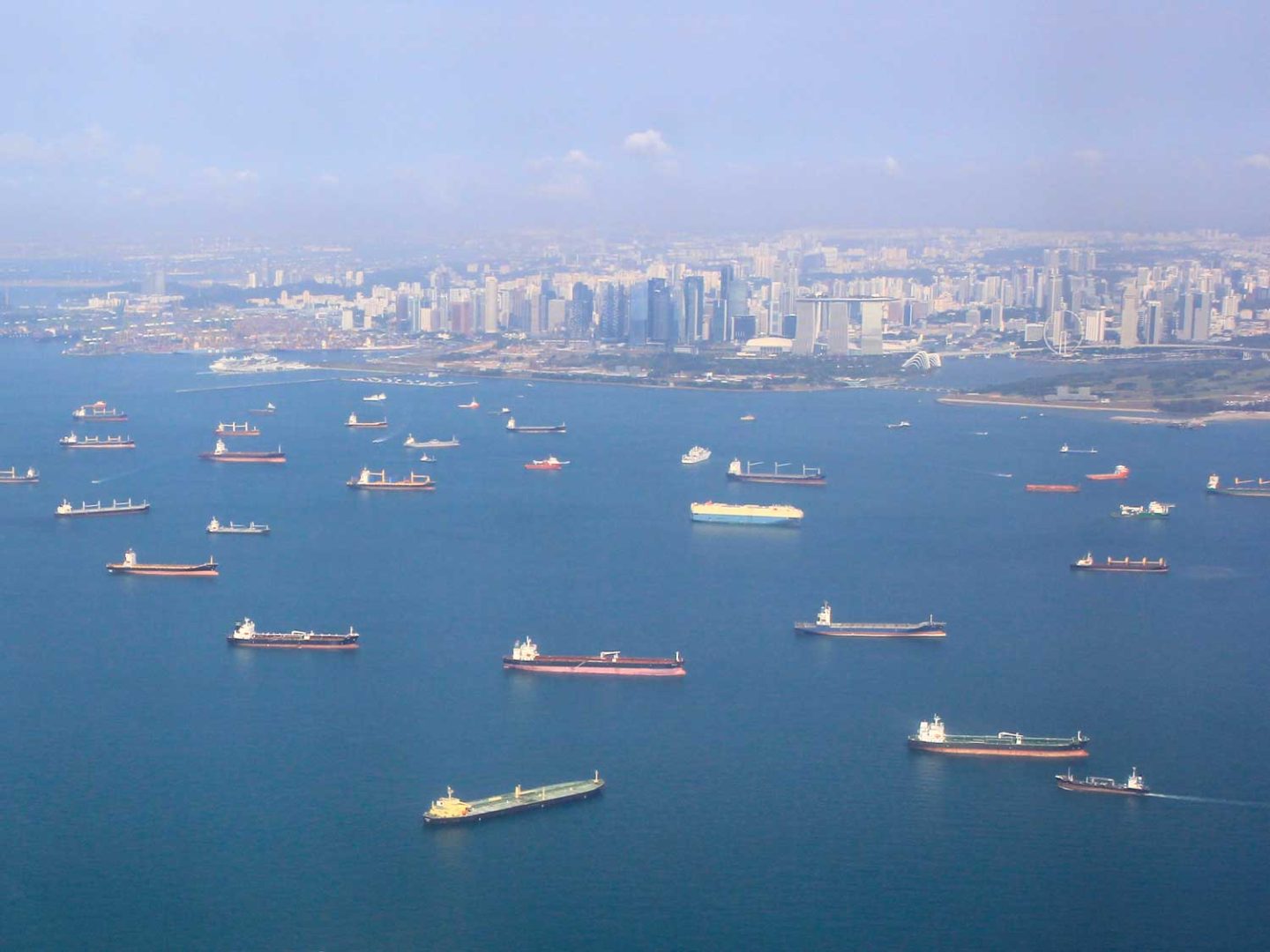
For example, the sources report that Brent crude rose to as high as $109.95 per barrel before settling at $107.38, highlighting the significant increase in oil prices.