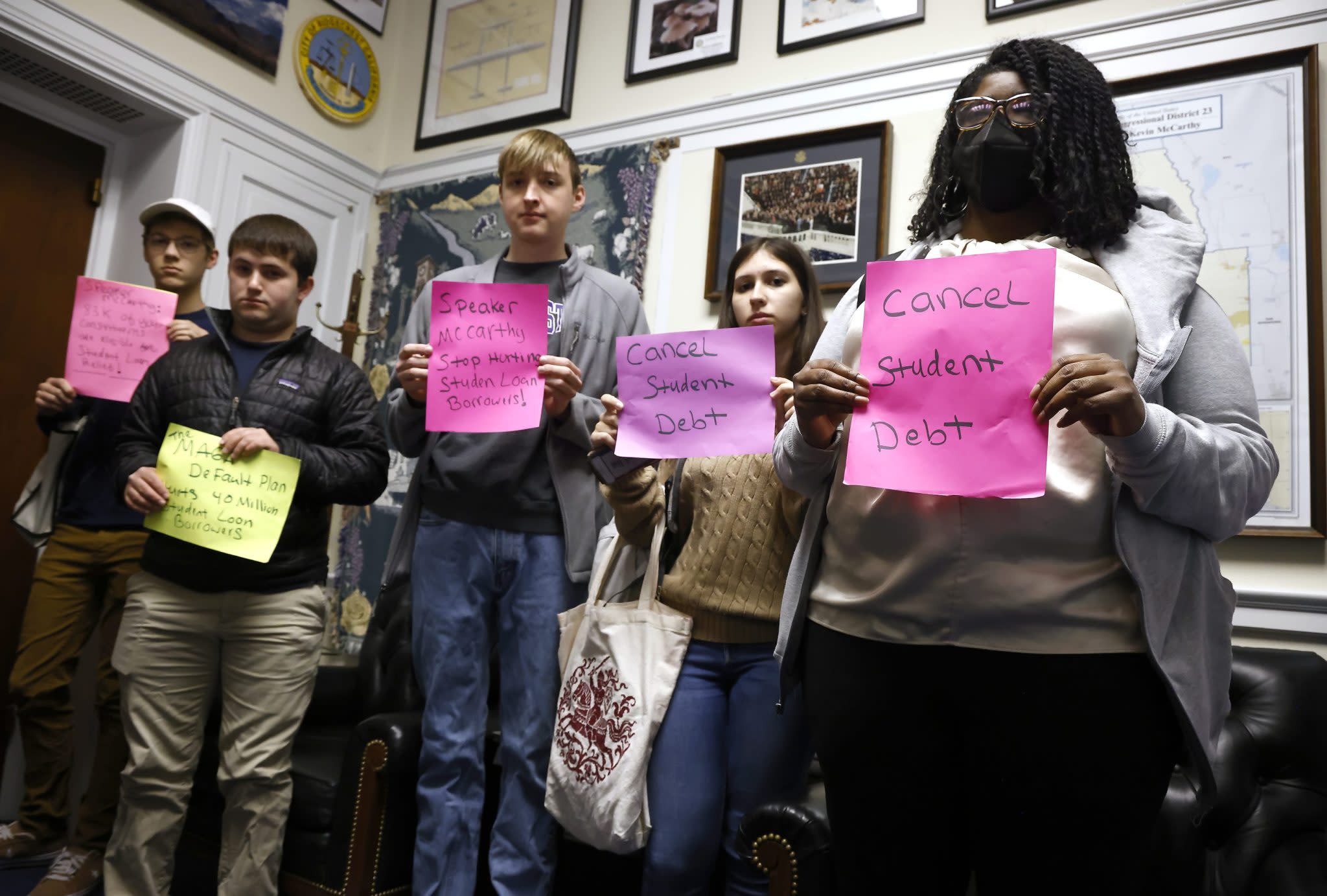
Student loan delinquencies have jumped nearly 25% since the start of Trump's second term. One out of every four Americans with federal student loans is now delinquent on payments, according to a new report from the left-leaning advocacy think tanks the Century Foundation and Protect Borrowers. That's nearly 11 million borrowers out of the 43 million Americans holding federal student loans.
The delinquency rate jumped nearly 25% since the start of Trump's second term. For borrowers already stretched thin by inflation and stagnant wages, this spike has immediate consequences for credit scores, future home purchases, and retirement savings.
The analysis used data from the University of California Consumer Credit Panel, which tracks millions of Americans' credit histories and payment patterns. The findings show this isn't a small problem affecting a niche group. These are millions of ordinary Americans: teachers paying back loans from education degrees, nurses who borrowed for nursing school, recent graduates still in their first jobs, and older borrowers who never finished paying off decades-old debt.
The timing is brutal. Many borrowers had previously benefited from federal payment pause programs that ended before Trump's second term began, leaving them responsible for full payments again. Now they're facing a sharp return to full payments just as their paychecks haven't kept pace with the cost of living. A single missed payment can trigger a cascade of consequences: late fees pile up, interest accrues faster, and credit scores drop, making it harder to refinance, buy a home, or even qualify for a car loan.
Student loan delinquencies don't stay isolated to borrowers' personal finances. When millions of Americans redirect money toward catching up on past-due payments, they spend less at restaurants, delay home purchases, and postpone other major purchases. This reduces consumer spending, a key driver of the economy.
Delinquencies rise sharply. Borrowers may be prioritizing necessities like rent and groceries over loan payments.
For lenders and loan servicers, rising delinquencies mean billions in potential losses. For the government, which backs most federal student loans, rising delinquencies increase the risk of defaults, potentially leading to greater taxpayer costs and more aggressive collection efforts unless offset by expanded repayment options.
The next step comes when delinquencies turn into defaults, which happens after 270 days of missed payments. Once that happens, the government has legal authority to garnish wages, seize tax refunds, and pursue collection. For the 11 million Americans now delinquent, default remains a risk if payments are not resumed.
If you're carrying student debt, your financial situation just got worse. One out of every four Americans with federal student loans is now delinquent on payments, according to a new report from the Century Foundation and Protect Borrowers. That's nearly 11 million borrowers out of the 43 million Americans holding federal student loans, all struggling to keep up with obligations they thought might finally get easier.
The delinquency rate jumped nearly 25% in just two months since the start of Trump's second term. For borrowers already stretched thin by inflation, rising interest rates, and stagnant wages, this spike signals a deepening financial crisis that could ripple through credit scores, future home purchases, and retirement savings across an entire generation.
The analysis used data from the University of California Consumer Credit Panel, which tracks millions of Americans' credit histories and payment patterns. The findings show this isn't a small problem affecting a niche group. These are millions of ordinary Americans: teachers paying back loans from education degrees, nurses who borrowed for nursing school, recent graduates still in their first jobs, and older borrowers who never finished paying off decades-old debt.
The timing is brutal. Many borrowers had hoped for relief under previous payment pause programs. Now they're facing a sharp return to full payments just as their paychecks haven't kept pace with the cost of living. A single missed payment can trigger a cascade of consequences: late fees pile up, interest accrues faster, and credit scores drop, making it harder to refinance, buy a home, or even qualify for a car loan.
Student loan delinquencies don't stay isolated to borrowers' personal finances. When millions of Americans redirect money toward catching up on past-due payments, they spend less at restaurants, delay home purchases, and postpone other major purchases. This reduces consumer spending, which drives roughly 70% of economic activity.
The jump also signals that borrowers are choosing between necessities. They're paying rent or buying groceries instead of keeping student loan payments current. That choice reflects real financial desperation, not irresponsibility. It means households are at a breaking point.
For lenders and loan servicers, rising delinquencies mean billions in potential losses. For the government, which backs most federal student loans, it means either absorbing those losses or pursuing aggressive collection tactics that will further strain borrowers already in crisis.
The next step comes when delinquencies turn into defaults, which happens after 270 days of missed payments. Once that happens, the government can garnish wages, seize tax refunds, and pursue borrowers for decades. For the 11 million Americans now delinquent, that threat is no longer theoretical—it's the trajectory they're on unless something changes.
Highlighted text was flagged by the council. Tap to see feedback.