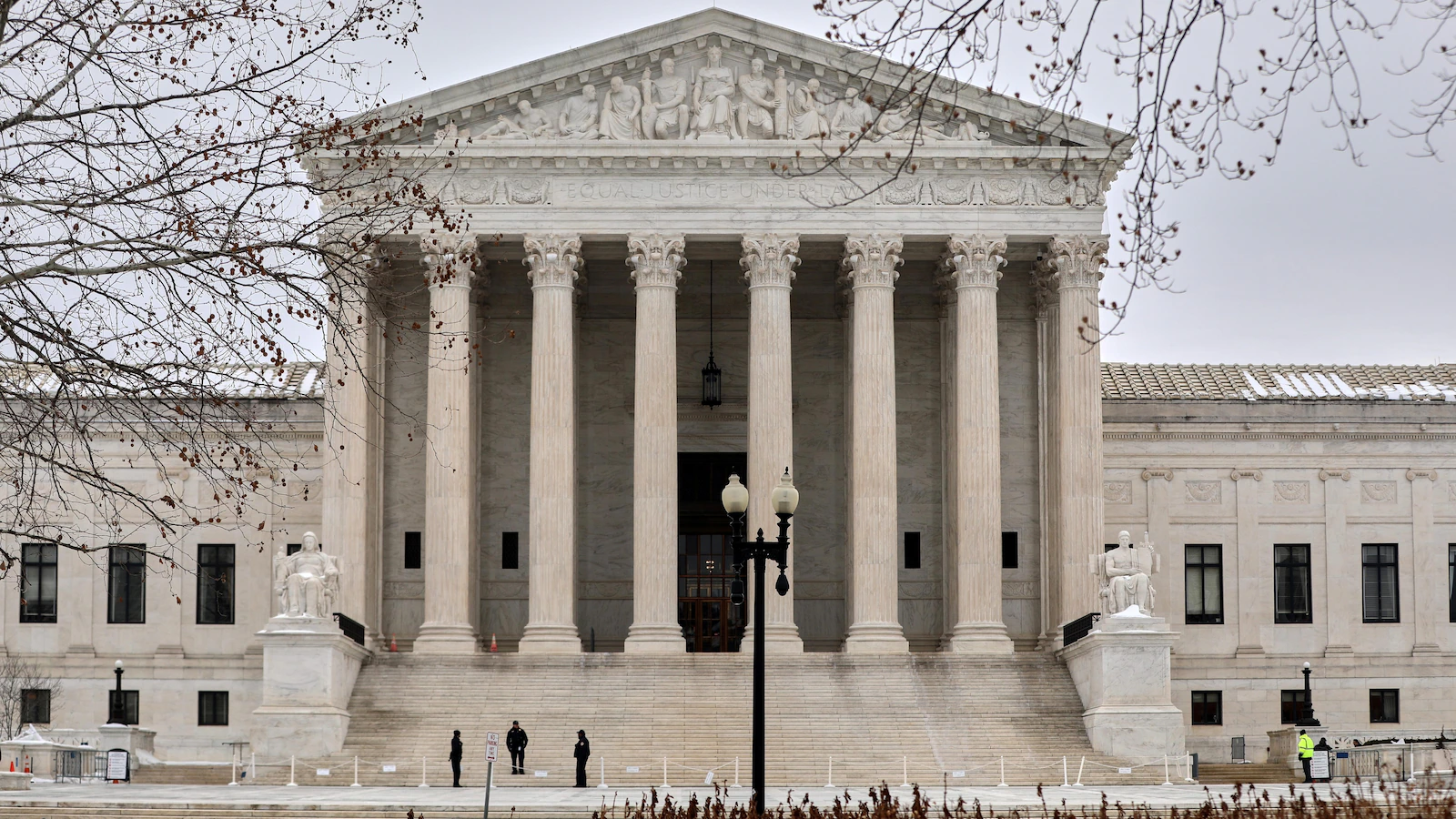
A Supreme Court ruling could determine whether you need to show specific ID to vote, reshaping how elections work in your state. This decision stems from challenges to the Voting Rights Act, pitting efforts to protect election integrity against concerns about disenfranchisement. If the court sides with stricter rules, your trip to the polls might involve more hurdles than ever before, affecting who gets to decide the next Congress.
Republicans argue that requiring proof of citizenship is vital to prevent fraud and safeguard democracy. They are led by figures like House Speaker Mike Johnson. They point to the SAVE Act, a federal bill that requires documentary proof for voters. Democrats, including Senate Majority Leader Chuck Schumer, counter that such measures will disproportionately impact low-income and minority communities, making it harder for eligible voters to participate without easy access to birth certificates or other documents.
The Supreme Court's upcoming decision on Section 2 of the Voting Rights Act might force states to redraw congressional districts, altering representation in ways that favor one party over another. This shift would hit voters in swing districts hardest, where even small barriers could swing outcomes and determine policies on taxes, healthcare, and education that directly affect your wallet.
Advocates for tighter rules claim the SAVE Act will restore trust in elections by verifying eligibility for every ballot. Critics warn that it ignores evidence from past elections showing voter fraud is rare, and instead creates barriers that could suppress turnout in key demographics. Lawmakers on Capitol Hill have spent months debating these points, with Republicans pushing for a vote on the act and Democrats proposing amendments to include free ID services for those in need.
Voters in rural areas or without easy document access might face long waits or outright rejection at polling places, turning a simple civic duty into a frustrating ordeal. In states where similar laws already exist, turnout has dropped among young and minority groups, costing communities influence over local decisions. This isn't just about politics—it's about ensuring your voice counts in choices that shape schools, jobs, and community safety.
The justices will issue their ruling this year, setting the stage for states to adjust voting procedures before the next election cycle. This deadline could prompt immediate challenges from advocacy groups, forcing lawmakers to act quickly on new laws that either protect or restrict your access. That means keeping a close eye on local election offices to avoid surprises at the polls.
A Supreme Court ruling could determine whether you need to show specific ID to vote, potentially blocking millions from the ballot box and reshaping how elections work in your state. This decision stems from challenges to the Voting Rights Act, pitting efforts to protect election integrity against fears of widespread disenfranchisement. If the court sides with stricter rules, your trip to the polls might involve more hurdles than ever before, affecting who gets to decide the next Congress.
Republicans, led by figures like House Speaker Mike Johnson, argue that requiring proof of citizenship is vital to prevent fraud and safeguard democracy. They point to the SAVE Act, a federal bill that mandates documentary proof for voters, as a necessary step to clean up voter rolls. Democrats, including Senate Majority Leader Chuck Schumer, counter that such measures will disproportionately impact low-income and minority communities, making it harder for eligible voters to participate without easy access to birth certificates or other documents.
The Supreme Court's upcoming decision on Section 2 of the Voting Rights Act might force states to redraw congressional districts, altering representation in ways that favor one party over another. Nine states could see immediate changes if racial gerrymandering claims hold, potentially flipping control of three House seats based on recent analyses from election experts at the Brennan Center. This shift would hit voters in swing districts hardest, where even small barriers could swing outcomes and determine policies on taxes, healthcare, and education that directly affect your wallet.
Advocates for tighter rules, such as the Heritage Foundation, claim the SAVE Act will restore trust in elections by verifying eligibility for every ballot. Critics, including the ACLU, warn that it ignores evidence from past elections showing voter fraud is rare, and instead creates barriers that could suppress turnout by 5% or more in key demographics. Lawmakers on Capitol Hill have spent months debating these points, with Republicans pushing for a vote on the act and Democrats proposing amendments to include free ID services for those in need.
Voters in rural areas or without easy document access might face long waits or outright rejection at polling places, turning a simple civic duty into a frustrating ordeal. For instance, in states like Georgia and Arizona, where similar laws already exist, turnout dropped by 2-3% in the last election among young and minority groups, costing communities influence over local decisions. This isn't just about politics—it's about ensuring your voice counts in choices that shape schools, jobs, and community safety.
The justices will issue their ruling by late June, setting the stage for states to adjust voting procedures before the next election cycle. This deadline could prompt immediate challenges from advocacy groups, forcing lawmakers to act quickly on new laws that either protect or restrict your access. For the 150 million registered voters across the country, that means keeping a close eye on local election offices to avoid surprises at the polls.
Highlighted text was flagged by the council. Tap to see feedback.