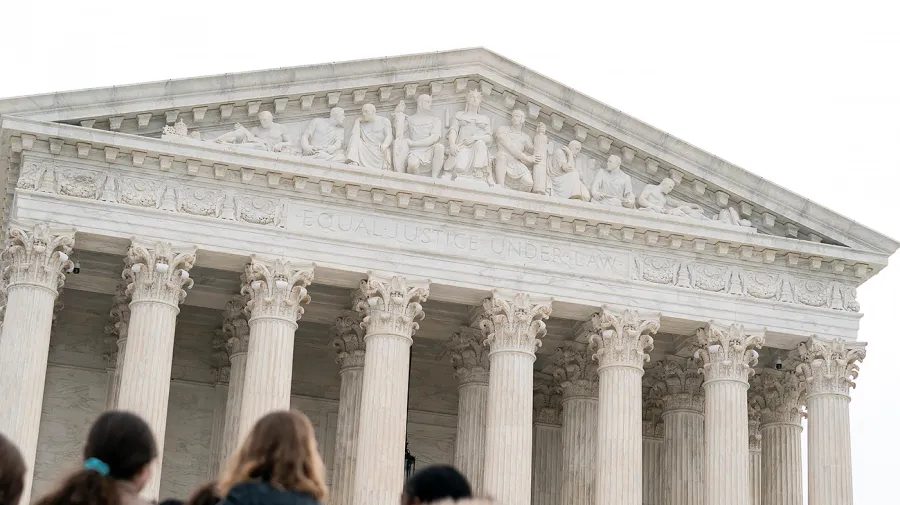





A Groundbreaking Decision for Parental Rights
In a ruling, the Supreme Court signaled that California may be infringing on parental rights by not notifying parents about their children's gender identity changes at school. This decision may influence how schools handle sensitive issues related to LGBTQ+ students, weighing parental notification against student privacy in educational settings. For the plaintiffs, the order temporarily secures parental notification while the case proceeds.
The Case Background
The case arose from California's policies that limited when teachers could disclose a student's change in name or pronouns to parents. Advocates for parental rights argued that withholding notification even when no safety risk exists violates parents' constitutional rights, claiming parents deserve to be involved in significant aspects of their children's lives. The Court granted a stay, finding the parents showed a likelihood of success, but has not ruled on the merits.
Implications for Schools and Students
This ruling occurs in the context of ongoing discussions about the rights of LGBTQ+ students and parental rights. The affected school districts may now face pressure to notify parents while litigation continues. This could lead to significant changes in how educators approach discussions of identity and privacy, raising questions about whether parental notification rights should override student privacy protections.
Reactions and Next Steps
Parental rights advocates have celebrated the decision, viewing it as a significant victory for parental authority in their children's upbringing. LGBTQ+ students and families say forced outing could expose them to harassment or homelessness at home, a risk the current policy was designed to mitigate. As the legal battle continues, both educators and families will need to navigate these evolving dynamics carefully.
The ruling leaves both parents and LGBTQ+ advocates facing significant questions about how schools should navigate parental notification and student privacy in future cases, a landscape that could shift again after the Court holds a full trial.