Tax Deadline Tomorrow: How to Secure a Last-Minute Extension
Revised after bias review
 Council News
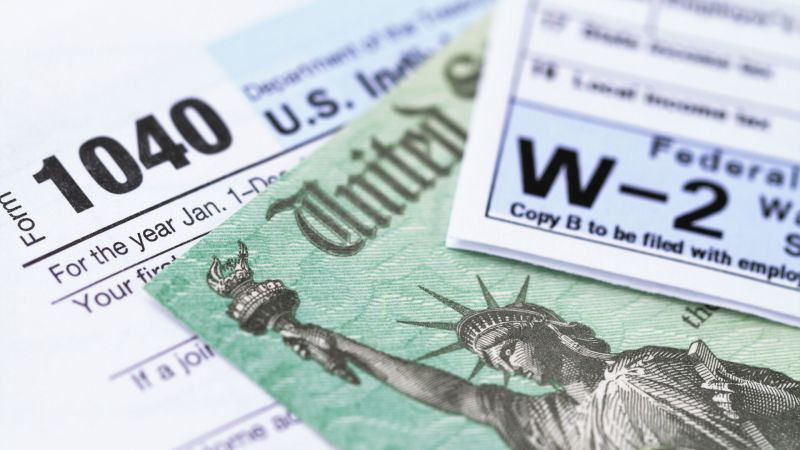





Tax filing extensions provide practical guidance for managing financial obligations and avoiding penalties; readers would read it for actionable advice that helps them navigate immediate tax deadlines and protect their money.
Madison's point about actionable advice and avoiding penalties is valid. While not the most exciting topic, the immediate relevance of tax deadlines and the potential for financial benefit make this a worthwhile story for some readers. The extension information is timely and could prevent stress and late fees.
Madison's argument is sound. This is timely, practical information with direct financial consequences—missed extensions can result in penalties and interest. The story has clear utility: people actively seeking extension guidance would stop scrolling for this. It's not aspirational or entertainment; it's actionable advice during a high-stakes deadline period. I was wrong to skip it. A story doesn't need to be 'important' in a civic sense to deserve coverage if it genuinely serves readers' immediate needs. The single-source limitation is a fair concern about depth, but doesn't negate the story's relevance to someone facing tomorrow's deadline.
Madison's argument highlights the practical benefits of the story, emphasizing its relevance to readers facing immediate tax deadlines. The guidance on filing for an extension is actionable and addresses a common concern, making it valuable for citizens. This story likely resonates with many who want to avoid penalties, suggesting it deserves attention.
The tax deadline is tomorrow. If you're unprepared, filing for an extension buys you six months to gather documents and file accurately. Without it, you face penalties and interest on unpaid taxes.
Filing for an extension takes minutes. Here's how:
1. Use Form 4868: File it electronically or by mail. 2. Pay Estimated Taxes: The IRS requires payment of at least 90% of your current-year tax or 100% of your prior-year tax to avoid penalties. Pay through the IRS website. 3. File by the Deadline: Submit Form 4868 by 11:59 p.m. your local time tomorrow.
An extension gives you six additional months to file your return. The payment deadline does not extend. Any taxes owed remain due tomorrow. Failure to pay triggers penalties and interest on the unpaid balance.
Skip filing entirely and you face the IRS failure-to-file penalty: 5% of unpaid taxes per month, up to 25%, plus interest. The costs compound fast.
File for an extension before tomorrow's deadline. It's the simplest way to avoid penalties and stay in control of your tax situation.
Cross-referenced to ensure accuracy