




The Operation and Its Immediate Toll
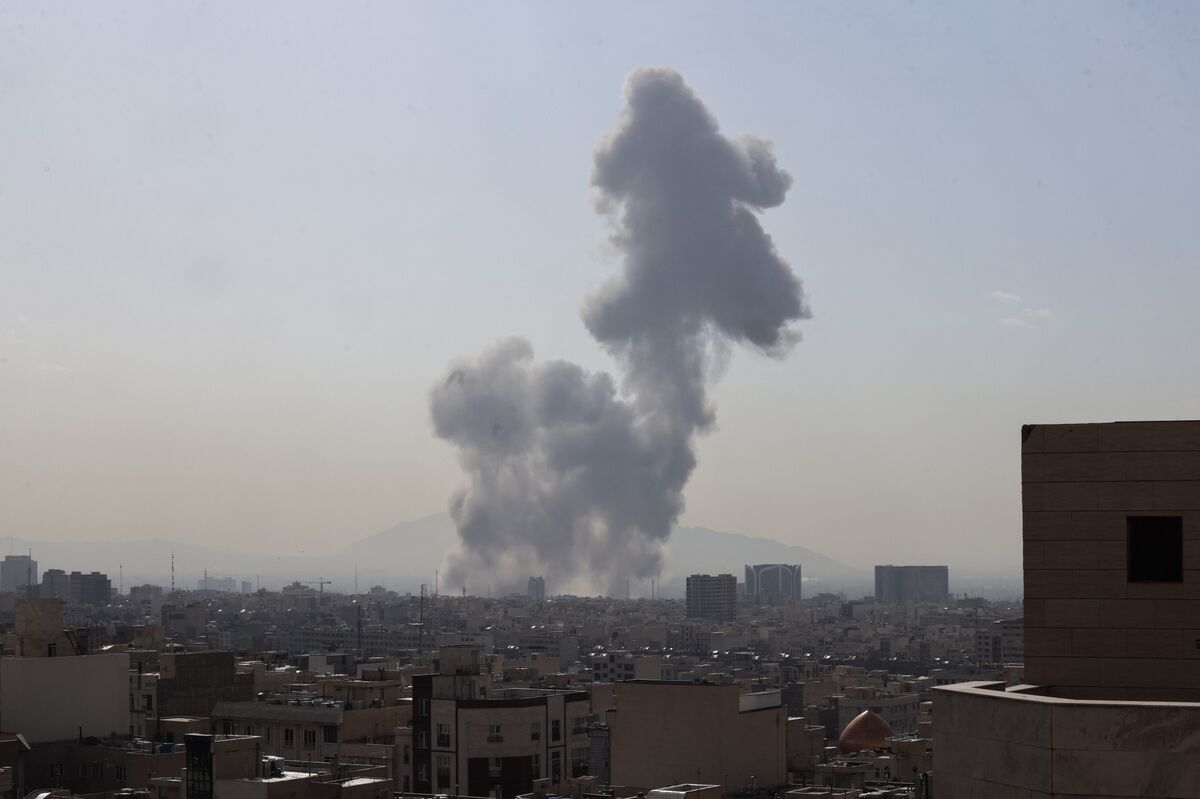
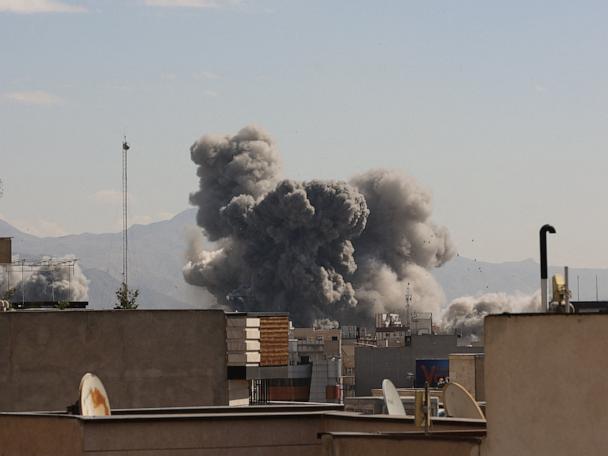
The United States and Israel launched what they call Operation Epic Fury early Saturday morning, a coordinated military campaign explicitly designed to kill Iran's leadership and destabilize the regime. Israeli forces struck the Tehran compound where Supreme Leader Ayatollah Ali Khamenei was meeting with senior advisers, according to U.S. and Israeli officials. By Sunday, U.S. Central Command confirmed the first American casualties of the conflict: three service members killed and five seriously wounded.
The strikes killed far more than Khamenei. Israeli forces targeted 30 senior military and civilian leaders simultaneously across three locations in Tehran. Among the confirmed dead were Mohammad Pakpour, commander of the Islamic Revolutionary Guard Corps; Defense Minister Aziz Nasirzadeh; and Ali Shamkhani, Khamenei's top security adviser. Israeli officials said warplanes continued strikes across Tehran into Sunday.
At least 201 people died in Iran from the initial strikes, according to the Iranian Red Crescent Society, though preliminary casualty figures vary across reports. Iranian state media reported that U.S. and Israeli bombs hit a girls' school in Minab, with casualty figures ranging from 53 to over 100 children killed. The Israeli military said it was not aware of operations in that area and is investigating the reports. Multiple international news outlets have reported on the strike with varying casualty assessments.
A Succession Crisis With No Clear Answer
Khamenei's death ends 36 years of rule over Iran, during which he consolidated near-total control over state institutions. His death throws the country into immediate uncertainty.
Under Iran's constitution, a temporary leadership council assumed power Sunday while the Assembly of Experts—a body of 88 Islamic clerics—begins the process of selecting a new supreme leader. The interim council includes President Masoud Pezeshkian and Ayatollah Alireza Arafi, a seasoned cleric with deep ties to the establishment. Israeli officials say their opening strikes decimated the chain of command, killing seven senior defense and intelligence officials and targeting 30 top leaders overall.
One senior official who survived is Ali Larijani, secretary of Iran's supreme national security council and one of Khamenei's closest confidants. In a post on X, he vowed Iran would deliver Israel and the U.S. an "unforgettable lesson."
Whether the Islamic Revolutionary Guard Corps moves to seize control—or whether the strikes create the opening for opposition activity—remains unclear. Israeli officials said Israel targeted Khamenei's sons, but intelligence assessments suggest they survived the strikes.
Iran Retaliates Across the Middle East
Iran's response was swift and regional. Sunday, Iranian forces launched ballistic missiles and drones at U.S. bases and Israel, with strikes spreading across six countries that host American forces or sit under flight paths: the United Arab Emirates, Qatar, Kuwait, Bahrain, Jordan, and Saudi Arabia.
UAE defense systems intercepted Iranian missiles and drones, sending debris over Dubai's Palm Jumeirah and Abu Dhabi; UAE authorities reported multiple injuries and closed Dubai's main airports. In Kuwait, a drone and missile barrage struck near the country's international airport and nearby U.S. facilities, injuring several people and forcing temporary flight suspensions. In Qatar, missiles targeting Al Udeid Air Base prompted intercepts that disrupted air traffic. In Bahrain, missiles targeting areas near the U.S. 5th Fleet headquarters triggered evacuations. In Jordan, air defenses downed incoming ballistic missiles over its territory.
At least nine people were killed in an Iranian missile strike on the Israeli town of Beit Shemesh outside Jerusalem, with dozens more wounded.
More than 2,400 flights were canceled across Middle Eastern airports Sunday, according to flight tracker FlightAware. Tankers and cargo ships began avoiding the Strait of Hormuz—the narrow waterway off Iran that handles one-fourth of global seaborne oil trade. Iran's foreign minister said the country has no plans to close the strait, but the avoidance by ship operators and insurers creates an effective supply disruption regardless of Iran's stated intentions. According to energy analysts, the effective loss of 8-10 million barrels per day of crude oil supply looms.
Oil prices are expected to jump as much as $20 a barrel, according to analysts monitoring the situation. According to petroleum market analyst Patrick De Haan, gasoline prices were already projected to rise to $3.10–$3.15 in the next 1-2 weeks before the Iran crisis, with prices currently averaging close to $3 per gallon. Some states could see larger jumps this week. OPEC+ agreed Sunday to boost output by 206,000 barrels per day, a larger-than-expected increase that could help offset potential shortfalls from Iran, though analysts noted the producers stopped short of a more forceful response.
How Trump Chose War Over Diplomacy
The operation was the culmination of two months in which Trump pursued both diplomacy and war on parallel tracks. In late December, Israeli Prime Minister Benjamin Netanyahu visited Trump at Mar-a-Lago to discuss a potential follow-up operation, initially tentatively planned for May. Within days, the calculus changed. Anti-regime protests erupted in Iran, and the regime responded with a violent crackdown that resulted in significant casualties. Trump posted messages on Truth Social urging protesters to "take over government institutions," but pulled back from ordering immediate strikes on January 14.
Instead, he ordered a massive military buildup in the Middle East and began secretly planning a joint operation with Israel. Over the following weeks, Israeli intelligence and military officials visited Washington multiple times to coordinate the planned operation.
At the same time, Trump explored whether military leverage could produce a deal. The U.S. and Iran met in Oman in early February for the first time since last June's 12-day war. Days later, Netanyahu traveled urgently to Washington to discuss U.S. red lines in negotiations—and whether the U.S. and Israel would launch a joint military operation if talks failed.
Trump's envoys, Jared Kushner and Steve Witkoff, were skeptical about the chances of getting a deal from the start. However, three U.S. and Israeli officials stressed that the nuclear talks in Geneva were not initially conceived as a ruse—Trump genuinely wanted to try to reach an agreement, though the envoys doubted Iran's willingness to make concessions. The Iranians were explicitly told that military strikes would occur if the U.S. did not see real progress on a nuclear deal very quickly, according to a U.S. official.
A week before the Geneva meeting, the U.S. and Israel agreed on a potential window for launching the attack—the coming Saturday, when Khamenei held a routine meeting with his top aides at his government compound. They faced a specific challenge: keeping Khamenei from suspecting anything and retreating to his underground bunker. An Israeli intelligence official later noted that a published report mentioning the possibility of assassinating Khamenei created anxiety among military planners, but the Iranian leader did not change his plans.
When Kushner and Witkoff traveled to Geneva on Thursday, they were skeptical about the chances of success—but still went through with the meeting, which kept the Iranians believing diplomacy was alive. In the room, the Iranians hadn't come close to even the most flexible U.S. position. After the first session, Kushner and Witkoff called Vice President Vance on a secure line and told him the gaps were still wide. A second round that evening changed nothing.
U.S. officials said there were three areas Iran refused to budge on: nuclear enrichment, ballistic missile capabilities, and financing of regional militant groups. The Iranians refused to discuss missiles "in every instance." On nuclear enrichment, the U.S. offered Iran free nuclear fuel for a civilian nuclear program indefinitely in exchange for giving up enrichment. The Iranians said no. Intelligence also showed Iran was secretly stockpiling enriched material at the Tehran Research Reactor under the guise of medical research—material that was never used to make a single medicine, according to a U.S. official.
After Geneva, Oman's foreign minister flew urgently to Washington and met with Vance on Friday in a last-ditch attempt to delay Trump's decision. But the president had already made up his mind. On Saturday morning, Khamenei convened his aides as U.S. and Israeli planners had anticipated. Two other gatherings of Iranian security and intelligence officials were taking place above ground in Tehran at the same time. Minutes later, all three were struck simultaneously.
Congress Divided, World Condemning
The strikes have split Congress along predictable lines, with Democrats calling for a war powers vote and some Republicans defending the operation. Senator Tom Cotton, chairman of the Senate Intelligence Committee, said the strikes will have "overwhelming support" among GOP lawmakers. Senator Lindsey Graham defended the operation, saying Iran's regime had "never been weaker" and "now was the time."
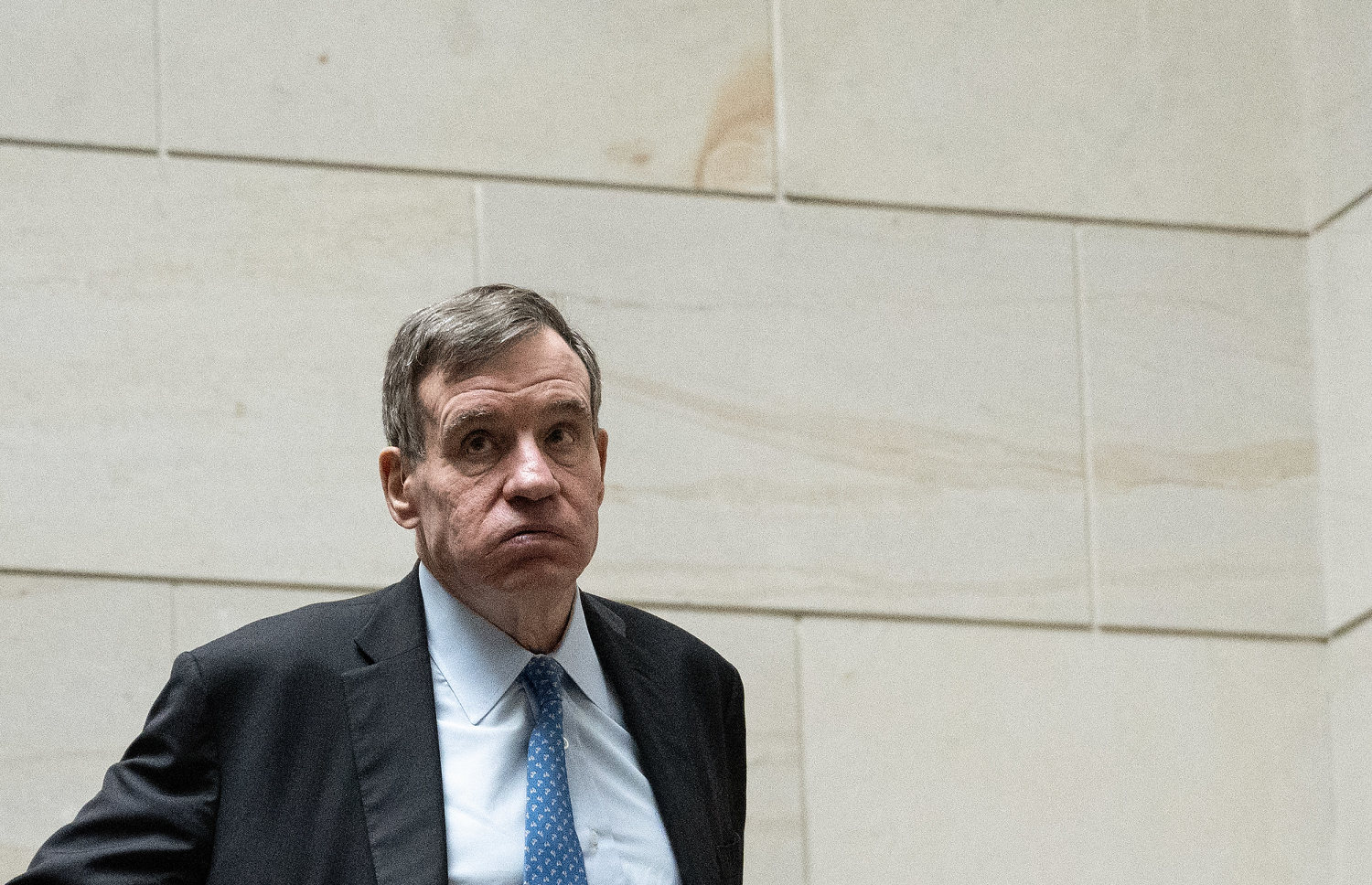
But Senator Chris Murphy, a Connecticut Democrat, said the Trump administration "has no plan for the chaos that is unfolding right now in the Middle East" and that Trump "wouldn't get that authorization" from Congress for this operation. Senator Mark Kelly called Khamenei's death a "good thing" but slammed the administration for not having a "strategic plan." Senator Mark Warner, vice chairman of the Senate Intelligence Committee, warned there's "no end in sight" to the escalating conflict.
Former Vice President Kamala Harris said she is "opposed to a regime-change war in Iran" and accused Trump of "dragging the United States into a war the American people don't want."
Globally, responses varied. Pope Leo XIV warned that the "spiral of violence" risks becoming "an unbridgeable chasm." UN Secretary-General António Guterres said the strikes violated international law and the UN Charter. Russia's Foreign Ministry called the attack "a preplanned and unprovoked act of armed aggression." China said the strikes risk "plunging the Middle East into deeper instability." The UK and Germany urged restraint.
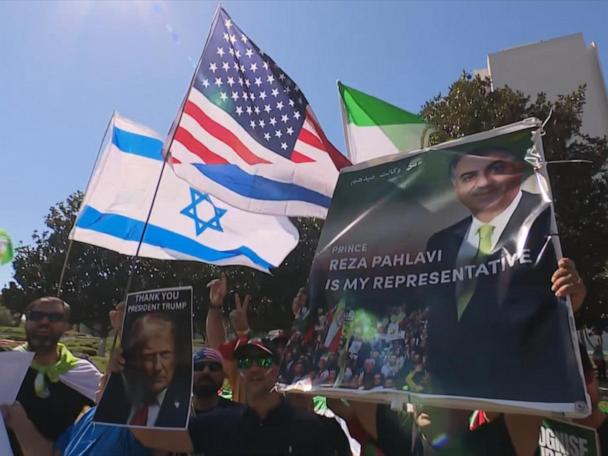
Former Iranian crown prince Reza Pahlavi, the most prominent opposition leader, called the U.S. and Israeli strikes a "humanitarian intervention" and urged Iranians to take to the streets.
What Comes Next Remains Uncertain
Trump told Axios he has several "off ramps" from the operation. "I can go long and take over the whole thing, or end it in two or three days and tell the Iranians: 'See you again in a few years if you start rebuilding,'" he said. The U.S.-Israeli operational plan envisions the bombing campaign lasting at least five days, but that timeline could change based on developments on the ground.
Trump warned Iran not to retaliate "very hard," saying bombing would "continue, uninterrupted throughout the week or, as long as necessary" to achieve what he called the goal of "peace throughout the Middle East." He also said Iran's leadership wants to negotiate and that he has agreed to talk with them.
But the immediate stakes are clear: three American service members are dead, more than 200 Iranians are dead, and the region's most critical oil chokepoint is effectively closed. For approximately 240,000 U.S. service members stationed across the Middle East, according to Defense Department data, the next days will determine whether this becomes the swift operation the administration predicts or the prolonged conflict Trump campaigned against.