Trump Administration Loosens Toxic Pollution Rules, Threatening Public Health
Revised after bias review
 Council News
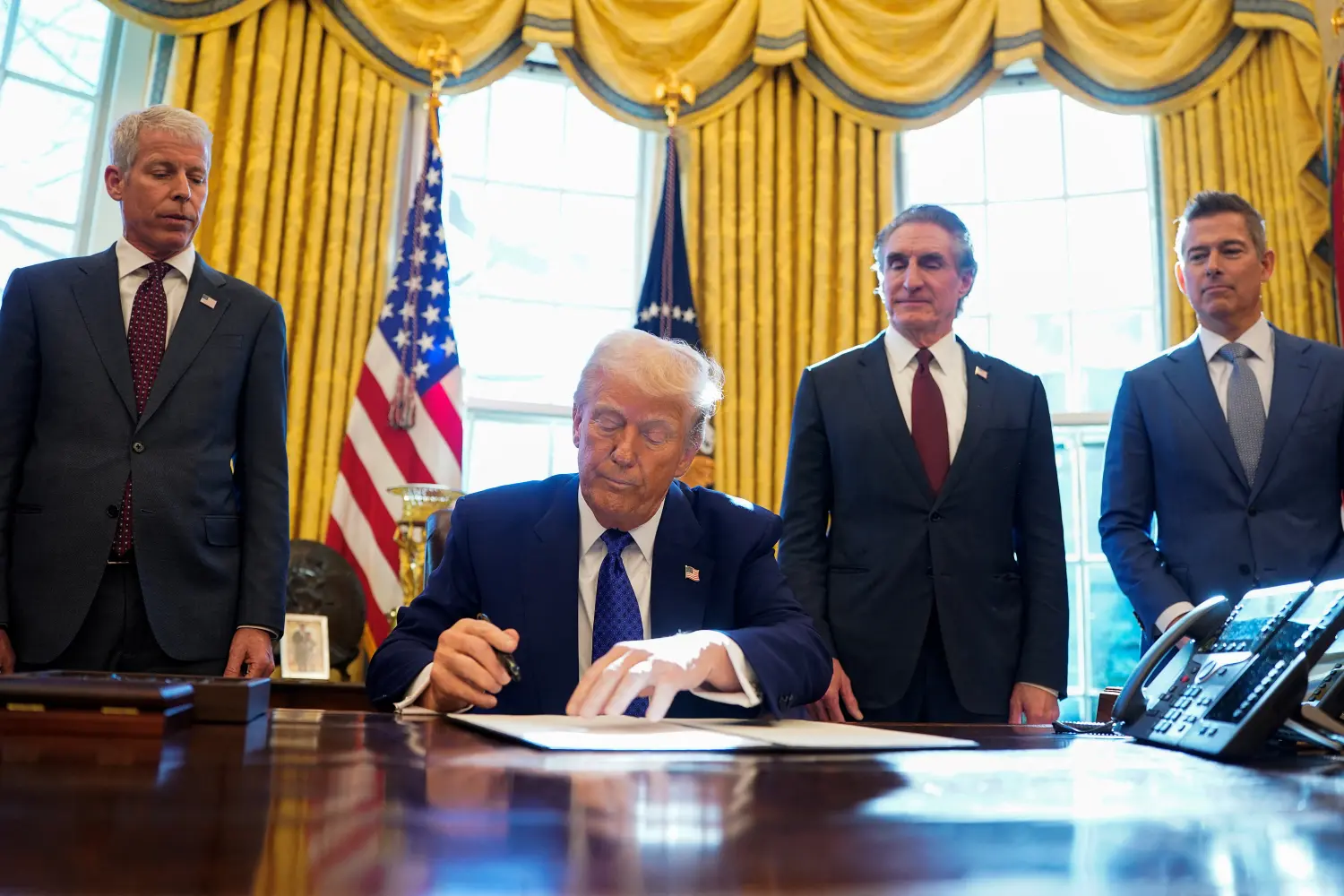





Trump loosens pollution rules on mercury and lead from coal plants—directly affecting air quality and public health. This is a concrete policy change with health consequences that citizens should know about and can act on.
Trump's loosening of restrictions on toxic pollution has direct implications for public health and environmental safety, a topic that resonates with many Americans concerned about their communities.
Loosening restrictions on toxic pollution from coal plants could harm public health and environmental safety, making citizens worse off by increasing exposure to harmful substances; readers might stop scrolling due to the tension of weighing economic benefits against health risks, especially if it challenges mainstream assumptions about Trump's environmental policies.
The administration just loosened rules on mercury and lead pollution from coal plants, a move that could raise cancer and developmental risks in surrounding communities. Parents will click to learn if their kids’ schools or backyards are downwind of the affected plants.
The Trump administration on Friday revoked portions of Biden-era regulations that limited emissions of mercury, lead, and arsenic from coal-fired power plants. Environmental groups and public health organizations warn the rollback will increase harmful exposures, particularly in communities near coal plants. Coal industry representatives say loosening the rules will reduce operating costs and preserve jobs.
Mercury and lead are neurotoxins that pose significant health risks, especially to children and pregnant women. Exposure can cause developmental issues, cognitive impairments, and long-term neurological damage. Coal-fired power plants are among the largest sources of mercury emissions in the United States. Environmental groups, including the American Lung Association and the National Resources Defense Council, project that air quality will deteriorate near coal plants with the revocation of stricter standards.
Increased emissions of these toxic substances could potentially contaminate air and water sources, raising concerns for parents about the safety of their children's schools and playgrounds. Environmental groups and public health advocates have expressed strong disagreement with the decision, arguing that the administration is focusing on economic benefits while downplaying health risks.
The National Mining Association and coal industry representatives argue that loosening these regulations will reduce compliance costs and help preserve coal jobs in mining-dependent regions. Environmental groups and public health organizations contend that the potential economic benefits do not outweigh the health risks posed by increased pollution.
Environmental groups including Earthjustice and the Sierra Club are mobilizing to challenge these changes in court. The administration has not announced its next steps regarding the regulatory changes. Legal challenges are expected to begin in the coming weeks.
Cross-referenced to ensure accuracy