Trade investigations replace struck-down tariff authority
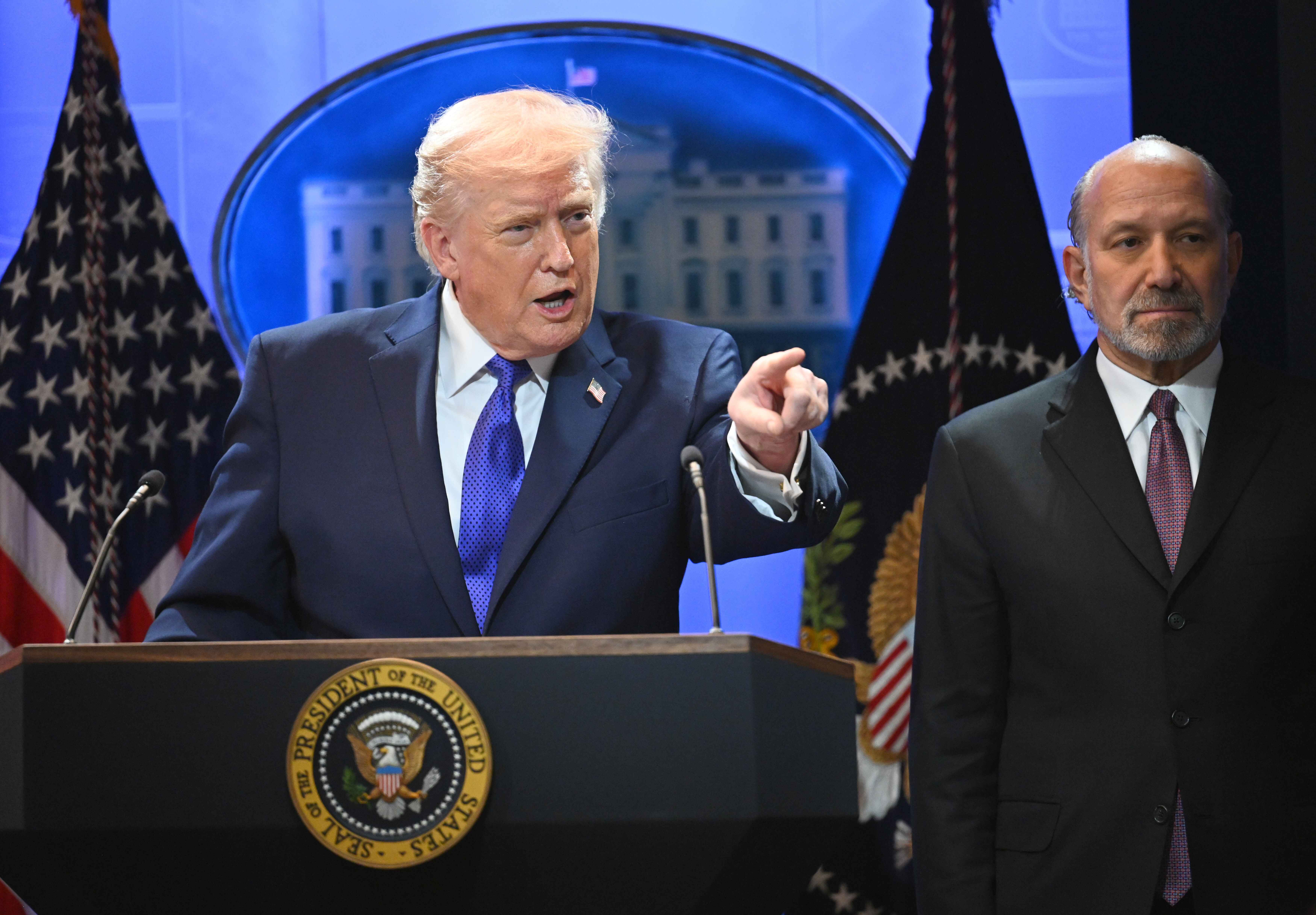
The Trump administration opened a new trade investigation on Wednesday into manufacturing practices in 16 countries and the European Union, seeking to establish fresh tariffs after the Supreme Court invalidated its previous approach in February. U.S. Trade Representative Jamieson Greer announced the investigation would examine excess industrial capacity and government subsidies that could give foreign companies unfair advantages over American firms. The entities under investigation include China, the European Union, Mexico, Japan, India, South Korea, Vietnam, Taiwan, and others.
The move follows the Supreme Court's rejection of Trump's use of the International Emergency Economic Powers Act to impose tariffs, which the court determined could not be used for trade policy. Greer said the administration is now relying on Section 301 of the Trade Act of 1974, a legally established but slower process that requires formal investigation periods before tariffs can be imposed.
Timeline pressure to replace $166 billion in refunds
The administration faces a deadline to complete its investigations before a temporary 10 percent global tariff expires on July 24. That tariff was imposed under Section 122 of the Trade Act of 1974 and can remain in place for 150 days without congressional approval. Two separate groups have filed lawsuits challenging the legality of the temporary tariffs.
Greer indicated the administration is "keying off" the 150-day deadline, aiming to bring "potential options" to Trump as soon as possible. He suggested the investigations could conclude before the temporary tariffs expire, allowing the administration to implement new ones based on Section 301 findings.
Additional investigations planned on forced labor and other issues
A separate Section 301 investigation will examine how countries address forced labor issues, including whether nations ban goods manufactured with forced labor. Greer indicated further investigations could follow on digital service taxes, pharmaceutical drug pricing, and ocean pollution.
The administration described the trade frameworks negotiated last year with countries including the European Union, Japan, and South Korea as separate from the new investigation process. However, Greer suggested those frameworks could factor into the Section 301 analysis, saying countries that made commitments under the frameworks would have those pledges considered as they "bump" against the demands of the new investigation.
Anthropic sues over supply chain designation
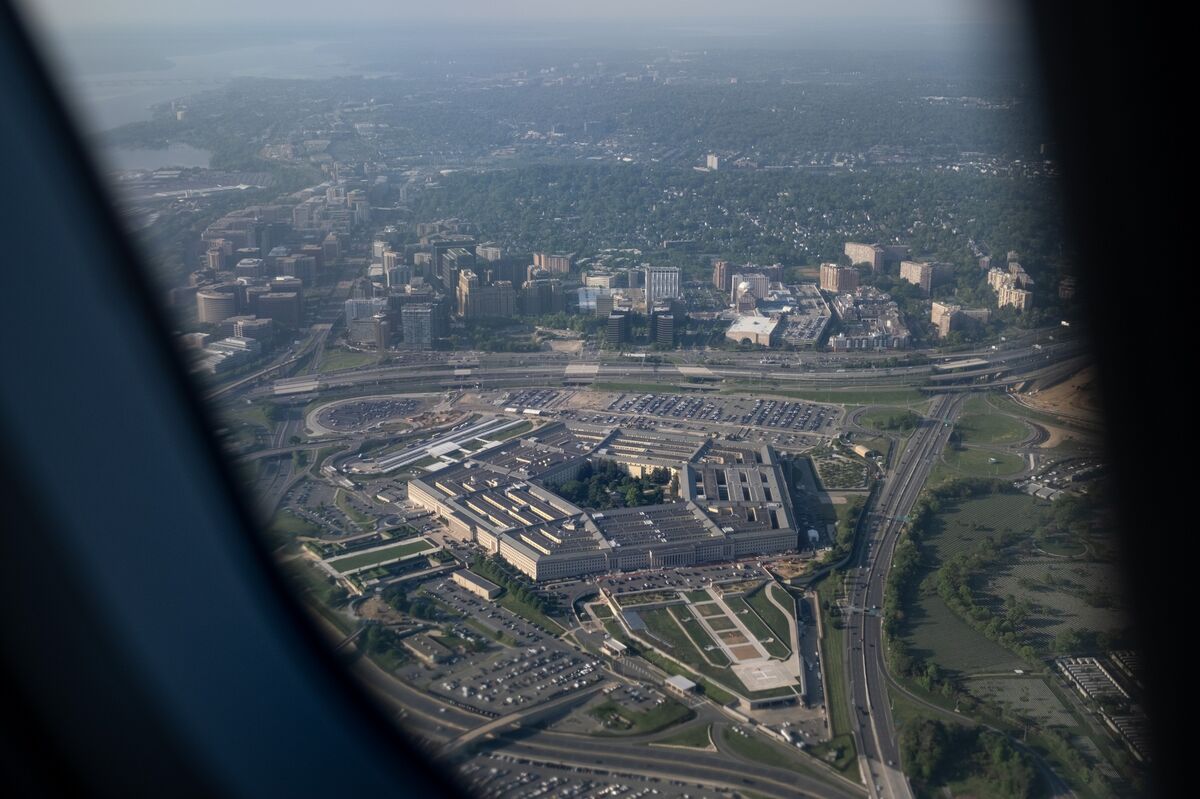
In a separate federal action, Anthropic filed a 48-page lawsuit Monday in the U.S. District Court for the Northern District of California against the Defense Department and other federal agencies over the Trump administration's move to designate it a supply chain risk. The company also filed a narrower suit asking the U.S. Court of Appeals for the District of Columbia to review the Pentagon's determination and sought an emergency stay of the designation on Wednesday.
The dispute stems from guardrails Anthropic sought to impose on military use of Claude, its AI model authorized for classified networks. The company requested assurances that Claude would not be used for mass surveillance of U.S. citizens or to power lethal autonomous weapons. The Pentagon insisted Claude be available for "all lawful use."
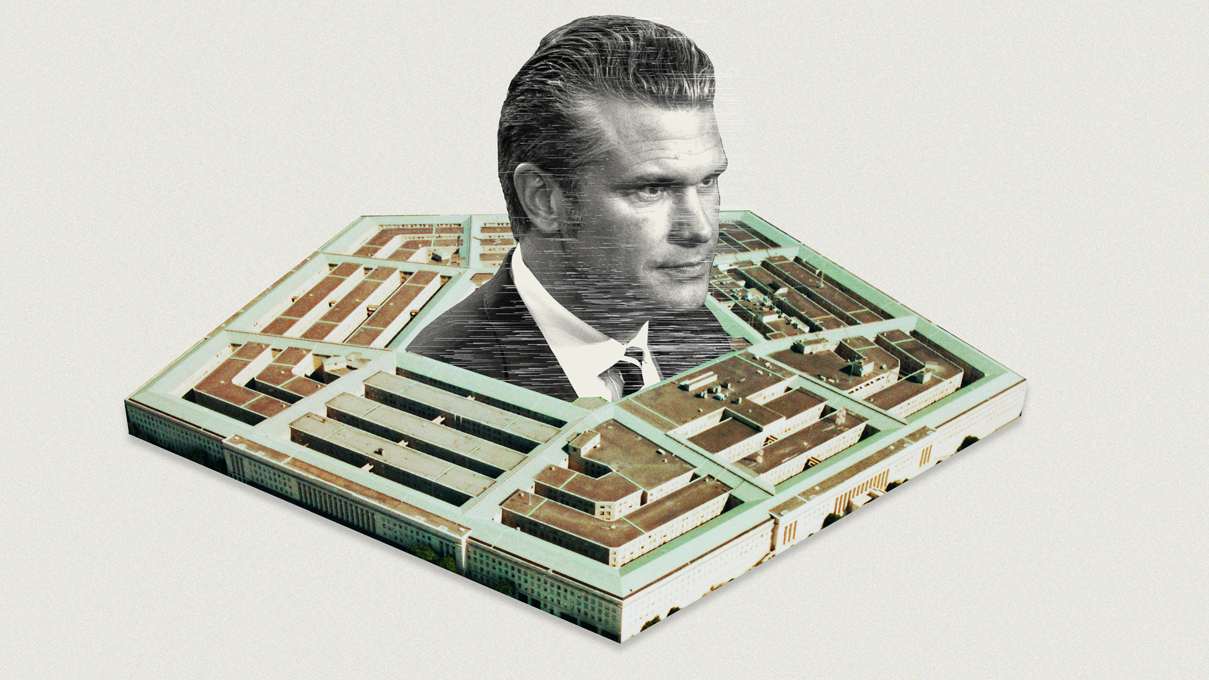
After the two sides failed to resolve the conflict by a February 27 deadline, Trump ordered all federal agencies to "IMMEDIATELY CEASE all use of Anthropic's technology." Defense Secretary Pete Hegseth designated Anthropic a supply chain risk and announced a six-month phase-out of the technology from defense contracts. Hegseth formally issued the designation last week.
Anthropic's lawsuit argues the actions are "unprecedented and unlawful" and constitute retaliation for protected speech. The company stated that federal contracts are already being canceled and future contracts with private parties are in doubt, "jeopardizing hundreds of millions of dollars in the near-term."
White House spokeswoman Liz Huston responded that the president "will never allow a company to jeopardize our national security by dictating how the greatest and most powerful military in the world operates." A Pentagon spokesperson declined to comment on pending litigation.